

This page features the detailed programme of the fifth edition of the Global Community Health Annual workshop. For more information regarding the format of the workshop, registration, language etc. please visit the webpage “Global Community Health Annual Workshop“.
Introduction
The sixth edition of the Global Community Health Annual Workshop will take place from Tuesday 9 till Thursday 11 June 2026.
The health of Mother Earth is inextricably linked to human health and wellbeing. Climate change impacts vulnerable communities the most. It deepens inequalities and threatens both environmental and human health. These challenges also offer opportunities for collective action on the local level, innovation, and climate justice.
This year’s workshop, ‘Connecting planetary health, climate justice, and community health: from knowledge to impact’, invites participants to explore the links between planetary health and community health and wellbeing. We will look into mobilizing communities,including the involvement of young people, as agents of change, ensuring that climate solutions are just, accessible, and impactful taking into account indigenous perspectives. By bridging knowledge with action, we aim to inspire collaborative strategies that address the root causes of environmental degradation while fostering healthier, more resilient communities.
The Global Community Health Annual Workshop provides a space where community health practitioners, activists, policy makers, and researchers can learn and improve their skills. In 2025 over 500 participants from all regions of the world participated.
Organisers
The are organisers are UNESCO Chair Global Health & Education, University of Clermont Auvergne, University of Huddersfield, EHESP School of Public Health, International Union for Health Promotion and Education (IUHPE), Réseau Francophone International Pour la Promotion de la Sante (RÉFIPS), European Public Health Association (EUPHA) and Julius Center for Health Sciences and Primary Care, UMC Utrecht.

Go directly to:
9 June 2026 : Day 1 – Connecting planetary health, climate justice and community health
Welcome – opening words
Moderator
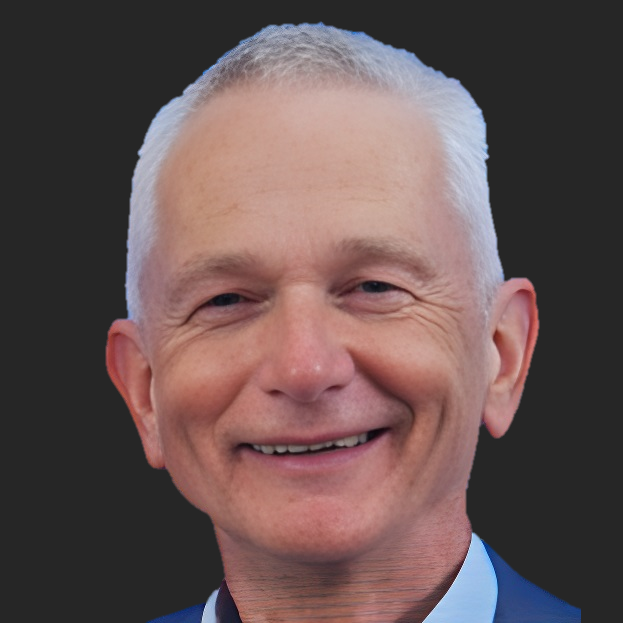
Goof Buijs is the manager of the UNESCO Chair / WHO CC on Global Health & Education. After finishing his Master study in Human Nutrition his first job was teaching health science at the Amsterdam teacher trainer institute. Next he moved into the field of health promotion, as health promotion officer in Amsterdam. At the Netherlands Institute for Health Promotion NIGZ he specialized in school health promotion, first on the Dutch level to introduce the national health promoting school programme and leading several European projects. In 2007 he became the manager of the Schools for Health in Europe (SHE) network until 2017. In 2018, with prof Didier Jourdan, he set up the UNESCO Chair Global Health & Education, as well as the WHO Collaborating Centre for Research in Education and Health. His specialisation is bringing health and education sectors together. He is a registered IUHPE Health Promotion Practitioner. He is an experienced networker, expert in co-creation, trainer, and organizer of local and global events. He supports cooperation among people, focusing on everyone’s talents and uniqueness. He is an environmental activist for most of his life.

Discussant
Nicola Gray is the co-chair holder of the UNESCO Chair ‘Global Health & Education’. She is a Reader in Medicines and Health at the University of Huddersfield, UK. Registered as a pharmacist in 1991, she has worked in hospital, community and academic practice. She is a Trustee of the UK Association for Young People’s Health and Vice-President for Europe of the International Association for Adolescent Health. She has published a number of papers and opinion pieces regarding young people’s health, health literacy, the safe reopening of schools during the COVID-19 pandemic, and the challenges for children and young people living with non-communicable diseases (NCDs).
Keynote: Unfreezing the Future
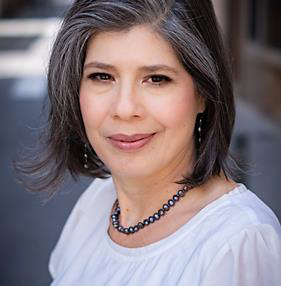
Eliana Martínez Herrera – Senior Researcher in Public Health and Epidemiology at University of Antioquia & International Consultant. She offers over 25 years of high-level experience operating at the intersection of social epidemiology, urban health, climate change and scientific diplomacy. She is an expert in the architecture and management of knowledge ecosystems, with a proven track record in policy advocacy and the transformation of health systems on both local and global scales.
Her extensive expertise encompasses:
- Multilateral Mediation: Providing technical and strategic mediation for international agencies within the framework of Global Health.
- Socio-Spatial Analysis: Evaluating socio-spatial configurations, social capital and climate resilience within complex and vulnerable environments.
- Institutional Leadership: Directing think tanks, Science, Technology and Innovation (STI) observatories, and hubs for transformative social innovation.
Summary: Humanity stands at a critical crossroads where outdated paradigms freeze global progress. “Unfreezing the future” requires a paradigm shift driven by Planetary Health and One Health. This urgency is acute in Antioquia, Colombia, where complex socio-ecological vulnerabilities expose the flaws of technocratic, reactive health models. To drive meaningful change, health professionals must pivot toward salutogenesis and community-led primary care. Grounded in deep co-production with local social movements, a critically engaged transdisciplinarity can dismantle destructive habits, transforming health knowledge from an explanatory tool into an active instrument for structural and environmental transformation.
Health in the Community: Food Security for the Urban Indigenous Population
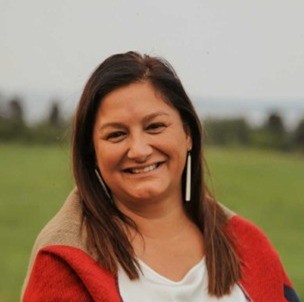
Mélanie Boivin, an Innu from Mashteuiatsh, holds a bachelor’s degree in business administration. As a co-owner and farmer, she manages farmland as an Indigenous businesswoman. Her professional career has led her to the leadership of the three Mamik Centres in Saguenay–Lac-Saint-Jean. She has been at the head of the Centre in Lac-Saint-Jean for nearly 10 years. She has successfully developed numerous services, programs, and activities tailored to the needs of the urban Indigenous community. She serves on the Board of Directors of the Cégep de Chicoutimi and works to improve conditions for First Nations and Inuit communities in Saguenay–Lac-Saint-Jean. She also received the Lieutenant Governor’s Medal last year. Mélanie is also a founding member and vice-president of the First Peoples Development Corporation, an organization run by and for Indigenous people, dedicated to creating urban housing. Prior to that, she worked at the Université du Québec in Outaouais, where she established the Indigenous Liaison Office. Active in youth work, she volunteered at the Inter-Tribal Indigenous Games in Mashteuiatsh as well as at the Quebec Games. She coordinated the Training Consortium for Indigenous People in the Construction Industry. She is deeply committed to education, a value she believes will enable her people to achieve self-determination.
In the spirit of self-determination, solidarity, and respect for Indigenous cultural values, the establishment of a food support cooperative represents a collective, sustainable, and unifying solution. This project aims to improve access to fresh, local, and culturally meaningful foods, while fostering active community involvement. Thus, we seek to provide equitable access to healthy food, promote food security and develop community solidarity, pass on traditional and ecological knowledge in the field, teach future generations to respect Mother Earth, and support participation and collective governance of this cultural and community site known as Aski.
10 June 2026 : Day 2 – Mobilising communities in climate action
Welcome
Moderator
Goof Buijs is the manager of the UNESCO Chair / WHO CC on Global Health & Education. After finishing his Master study in Human Nutrition his first job was teaching health science at the Amsterdam teacher trainer institute. Next he moved into the field of health promotion, as health promotion officer in Amsterdam. At the Netherlands Institute for Health Promotion NIGZ he specialized in school health promotion, first on the Dutch level to introduce the national health promoting school programme and leading several European projects. In 2007 he became the manager of the Schools for Health in Europe (SHE) network until 2017. In 2018, with prof Didier Jourdan, he set up the UNESCO Chair Global Health & Education, as well as the WHO Collaborating Centre for Research in Education and Health. His specialisation is bringing health and education sectors together. He is a registered IUHPE Health Promotion Practitioner. He is an experienced networker, expert in co-creation, trainer, and organizer of local and global events. He supports cooperation among people, focusing on everyone’s talents and uniqueness. He is an environmental activist for most of his life.
Discussants
Didier Jourdan is the co-chair holder of the UNESCO Chair ‘Global Health & Education’ and the head of the WHO Collaborating Centre for ‘Research in Education and Health’. He is a Professor of Education Sciences, former Director of the ESPE and Vice-President of Clermont Auvergne University (France). He has served as Chair of the Prevention Commission of the High Council for Public Health in France and as Director of Prevention at the National Public Health Agency. Didier Jourdan is Vice-President of the IUHPE (International Union for Health Promotion and Education) and a member of the Governing Board of the IITE (UNESCO Institute for Information Technologies in Education).
Authentic community codesign for health programmes: How to co-create community ownership and co-implement what communities need and want
Richard Osborne BSc, PhD, is Distinguished Professor and head of the Global Health and Equity Development Hub at La Trobe University, Australia. He is a prolific public health researcher, educator and program implementer. His teams have developed and implemented practical tools and processes to make substantive impacts on health and equity, not only at the project level, but at the state, regional, national, and international levels. This work is underpinned by the Ophelia (Optimise Health Literacy and Access) process, developed by his team and now implemented in over 40 countries. It has advanced community codesign methodologies and strengthened real-world impact. He is a Highly Cited Researcher (2018, 2021) top 1% most influential researchers globally, with over 300 original scientific publications. He established the first WHO Collaborating Centre on Health Literacy and partnered with WHO to create the influential 2022 resource Health Literacy Development for the Prevention and Control of Noncommunicable Diseases.
Summary: We interactively explore community codesign, to co-create effective programmes that reduce social inequity and improve health. Our focus is on practical frameworks and processes that can be applied across diverse settings and cultures. When done well, authentic community codesign supports relevant and workable solutions by grounding action in the lived experience of communities. For community health workers, programme codesign aligns services and everyday realities, strengthens relationships, and supports confident, context-aware implementation. Authentic codesign reduces implementation failure by moving from top-down program design to shared ownership, so that strategies reflect what is feasible, acceptable, and locally meaningful. Examples from the Ophelia (Optimise Health Literacy and Access) methodology show a structured, evidence-informed approach for community codesign.
Ophelia
- draws on diverse research, including Asset-Based Community Development and Complex Interventions, to provide guidance on stakeholder engagement, needs mapping, and scale-up
- uses health literacy profiling to identify patterns of need and capability
- engages communities, practitioners, and organisations in interpreting this evidence to co-create responses
- supports iterative cycles of reflection, development, and learning to translate insights into locally tailored action
- strengthens impact of health programmes
Learning objective: Integrate good practices in codesigning a contextually appropriate plan that integrates local wisdom to improve implementation effectiveness and equity.
Beyond Evidence and Policies to Action: Mobilising Communities for Advancing Planetary Health
Dr Rudolf Abugnaba Abanga (PhD) is a climate change and health systems researcher. He has two decades of experience in health systems strengthening, young people’s SRHR, and citizen participation in health governance. He is a Research Fellow in Planetary Health at WAC-SRT, University of Business and Integrated Studies, Ghana, and at the University Medical Centre Utrecht, the Netherlands. He holds leadership roles in global networks promoting climate and health policy and is co-chair of the Health Systems Global Climate Resilient and Sustainable Health Systems TWG. His recent work employs transdisciplinary approaches in collaboration with policymakers, multilateral organisations, and communities to advance Planetary Health.
Summary: The rapidly changing climate demands collective action and Planetary Health approaches that empower communities as principal actors in building resilience and sustainability. Despite increased global momentum for climate action in recent years, translating global commitments into action on the ground remains challenging. Low risk perception among communities and policymakers, policy inconsistencies, and limited transdisciplinary approaches, among others, account for limited climate action in the most affected communities. This session explores Planetary Health through a health-system lens and how communities can harness their voices, knowledge systems, and social networks to promote climate-responsive health systems.
From Classroom to Community: One Health Promotion Education in Action. Engaging children as peer educators for climate and health.
Sarah Michaud (MPH, MSc). Public health professional and researcher based in Marrakech, Morocco, Sarah has more than 15 years of experience, including five in research. Her work focuses primarily on health promotion in school and university settings, as well as the development of psychosocial skills. Co‑founder and President of the Promote Health Now Association, she structures her health promotion activities around two complementary dimensions: research and field practice. She integrates the One Health approach and employs innovative digital technologies for health and education to connect scientific advances with educational practices and contribute to the well‑being of populations. She also serves as the National Representative of the UNESCO Chair “Global Health & Education” for Morocco.
Adil Mansouri (MD, MPH). Public health physician and researcher based in Marrakech, Morocco, Adil has over 10 years of experience, including five in research. His work focuses mainly on community medicine, prevention, and health promotion in school and university environments. Co‑founder of the Promote Health Now Association, he structures his activities around two complementary dimensions: research and field practice. He emphasizes interventional epidemiology and health sciences pedagogy to bridge scientific evidence and educational practice, contributing to the well‑being of populations through sustainable research‑action initiatives. He also serves as the National Representative of the UNESCO Chair “Global Health & Education” for Morocco.
Summary: Facing the challenges of climate change and its impacts on human, animal, and ecosystem health, raising awareness among young people about the One Health approach represents a strategic lever for sustainable transformation. This presentation shares a field experience conducted in Morocco, within a primary school, aiming to integrate the fundamental principles of the One Health approach into health education and promotion activities. Two main axes are developed: 1) the pedagogical integration of One Health concepts through tools adapted to young learners; 2) the “One Health Ambassador” project, a peer‑education initiative in which trained children become awareness agents within the school community through group activities and oral and written communication materials. By the end of this presentation, participants will be able to:
- Apprehend the importance of fostering a One Health culture in health promotion from an early age, in light of the experiences conducted in Marrakech;
- Explore ways to adapt this model according to local resources and opportunities.
This initiative illustrates how schools can become vectors of community transformation, mobilizing children not merely as recipients of knowledge but as agents of change for global and sustainable health, even when addressing complex planetary health issues.
11 June 2026 : Day 3 – Climate justice and vulnerable populations
Welcome
Moderator
Goof Buijs is the manager of the UNESCO Chair / WHO CC on Global Health & Education. After finishing his Master study in Human Nutrition his first job was teaching health science at the Amsterdam teacher trainer institute. Next he moved into the field of health promotion, as health promotion officer in Amsterdam. At the Netherlands Institute for Health Promotion NIGZ he specialized in school health promotion, first on the Dutch level to introduce the national health promoting school programme and leading several European projects. In 2007 he became the manager of the Schools for Health in Europe (SHE) network until 2017. In 2018, with prof Didier Jourdan, he set up the UNESCO Chair Global Health & Education, as well as the WHO Collaborating Centre for Research in Education and Health. His specialisation is bringing health and education sectors together. He is a registered IUHPE Health Promotion Practitioner. He is an experienced networker, expert in co-creation, trainer, and organizer of local and global events. He supports cooperation among people, focusing on everyone’s talents and uniqueness. He is an environmental activist for most of his life.
Discussants

Helena Franceschini is a PhD candidate at the Health Science Interdisciplinary Centre of Sant’Anna School of Advanced Studies in Pisa, Italy. Her research investigates effective strategies for engaging communities in adopting healthy and environmentally sustainable behaviours, exploring the relationship between health and environment through health promotion, education, and participation. She holds a Master’s degree in Geography (ENS de Lyon, France) and worked in water-related services and WASH public policy before serving as Project Officer for the UNESCO Chair on Global Health & Education. She currently leads youth involvement and participation activities through the Young Professionals panel, alongside a group of dedicated young professionals from around the world. Through her work, Helena is dedicated to advancing planetary health and health promotion.
Forests of Care: Indigenous perspectives and practices of protection in a contested landscape in southern Philippines

Mary Ann Manahan is a Filipina feminist activist researcher based in Ghent, Belgium. She is currently a doctoral assistant with the Conflict Research Group of the Department of Conflict and Development Studies at Ghent University. Manahan has extensive experience working with social movements and NGOs advocating for ecological, gender and social justice and alternatives to development. Her current research focuses on the intersections of Indigenous peoples’ struggles for self-determination, worldmaking, forest protection and politics. She co-coordinated the Beyond Development Global Working Group, a collective of progressive academics, activists and community organizers working on systemic and radical transformations. She has (co)authored various articles and books, the most recent is “The Geopolitics of Green Colonialism. Global Justice and Ecosocial Transitions”, published by Pluto Press and translated to Spanish, Portuguese and German. She sees her PhD and teaching journey as a politics of self-care that allows her to continue her political work and activism.
Summary: Protecting a forest through relations of care offers a grounded, place‑based lens for understanding planetary health and climate justice. In Mt. Kitanglad range, a contested landscape and territory located in Bukidnon province in southern Philippines, care is not an abstract ethic but an embodied practice through which Indigenous communities sustain the wellbeing of forests, waters, spirits, mountains, and people together. This relational mode of protection shows that community health and ecological health are inseparable: rituals, everyday labor, youth involvement, and Indigenous governance are all forms of tending to a living territory that, in turn, sustains them. By foregrounding these practices, the presentation aims to contribute to the workshop’s broader aim of moving from knowledge to impact—demonstrating how Indigenous practices and perspectives on care mobilize communities for climate action, articulate climate justice as a matter of relational repair, and offer models of protection that exceed managerial conservation to cultivate thriving socio‑ecological worlds.
Mental resilience and climate: healing the individual to strengthen communities using the RACINES method
Christelle Eugénie Gnimassou is an emotional intelligence coach and the founding president of the NGO Triomphe de l’Intérieur in Benin. She works in the field of community mental health, with a focus on psychosocial resilience, the prevention of emotional distress, and the strengthening of individual and collective capacity for recovery in contexts of social vulnerability. She has developed the Racines Method, a psychoeducational framework aimed at identifying emotional trauma and supporting processes of psychological regulation and resilience. She is the organiser of the International Congress on Inner Healing and Mental Well-being, dedicated to integrated approaches to mental health and community development. Her work forms part of psychosocial support initiatives aimed at strengthening emotional stability and social cohesion. She advocates an approach in which mental health is seen as a key determinant of human development and collective resilience.
Summary: In sub-Saharan Africa, climate change does not just destroy homes and crops—it tears people apart from within. This invisible wound, if left untreated, erodes communities’ resilience even before adaptation policies take effect. The data is clear: 110 million Africans will be displaced by 2050, 76% of climate victims have no access to psychosocial support, and only 3% of African health budgets are allocated to mental health. Without psychological intervention, trauma creates a vicious cycle: risky behaviors, the breakdown of social cohesion, and a lasting inability to adapt.
The R.A.C.I.N.E.S. method—Recognize, Accept, Understand, Integrate, Neutralize, Engage, and Strengthen—addresses this gap. Deployed since 2020 in 10 French-speaking African countries, it has supported 700 people individually and 5,000 in groups. The result: psychological distress has dropped from 80% to 30%. Community engagement has tripled. Now formalized and ready for large-scale deployment, R.A.C.I.N.E.S. is poised for institutional integration. The call to action is clear: allocate 10% of climate adaptation funds to psychosocial support, in accordance with SDGs 3 and 13. Mental health is not a luxury. It is the invisible infrastructure that makes resilience possible.
Mobilising communities for climate action, health and the Just Transition in South Africa
Mafoko Phomane is a health equity advocate and environmental health campaigner based at groundWork, she brings public health expertise to efforts aimed at protecting communities from environmental risks in Southern Africa. Her work focuses on linking public health outcomes with environmental conditions, such as air pollution and climate-related health risks and advocating for stronger environmental justice policy that protects communities. Her work is rooted in mobilising health professionals to lend their expert voice, research, influence, to support and speak in solidarity with community environmental justice struggles. Her career includes roles in research, project coordination, and health programme delivery in South Africa and Lesotho. She is currently pursuing a PhD in Public Health and has a background in Public Health and Psychology. And is a Global Atlantic Fellow for Health Equity based at Tekano and Chair of the Public Health Association of South Africa’s – Climate, Energy and Health Special Interest Group.
Summary presentation: The climate crisis is a health crisis, South Africa’s long history of dependence on coal-fired power has had severe impacts on climate, environmental health, and public health. Communities have been in the forefront of self-organising and demanding their right to live in environments that are not harmful to their health and wellbeing, even if it requires taking their cause to the courtrooms. This journey will be shared via two precedent setting court victories referred to as the DeadlyAir Case and the CancelCoal Cases that exemplify shifting from top-down policies to community-led, people-centred action.
Voices from the field
Leonardo Adorno is a public health graduate and researcher at the University of São Paulo’s department of Environmental Health with a FAPESP bursary, he has experience working in health management, pharmacovigilance and environmental health. During his graduation he found that communication with the public is one of the major challenges in health, thus his undergraduate research was focused on this issue. Communication is very important to him as well as climate change mitigation in cities, especially for vulnerable communities since those are the ones that will face the worst impacts of climate change related disasters in the future.
Summary: Leonardo will discuss his experience as a public health graduate in Brazil, explaining how a country where health is a constitutional right reaches its people through its national Universal Health System (SUS). He also shares his experience developing his undergraduate research project, “The Climatic Dragon’s Roar,” a card game created to sensitize the general public about climate change. It focuses on the consequences of natural disasters, such as heatwaves, and on the political and governmental possibilities of combating such disasters. The game sees players taking the role of city mayors in a region affected by disasters worsened by climate change. Each mayor must then play cards to mitigate the disasters’ immediate effects, adapt the city long-term, and carry out research and political development. A round starts by turning over a Disaster Card (DC), each a reimagining of Brazilian myth and representing a natural disaster affecting a city’s Quality of Life. These disasters are consequences of our misuse and disrespect of nature, leading its protectors to turn their wrath on us. During testing with different age groups, a game focused on health promotion and education was created; its participants felt excited to fight the negative effects of climate change.
CEBA, Comunidad Energética Barrios de la Alhambra: working towards climate justice, social cohesion, and community participation in a local energy community in Granada, Spain
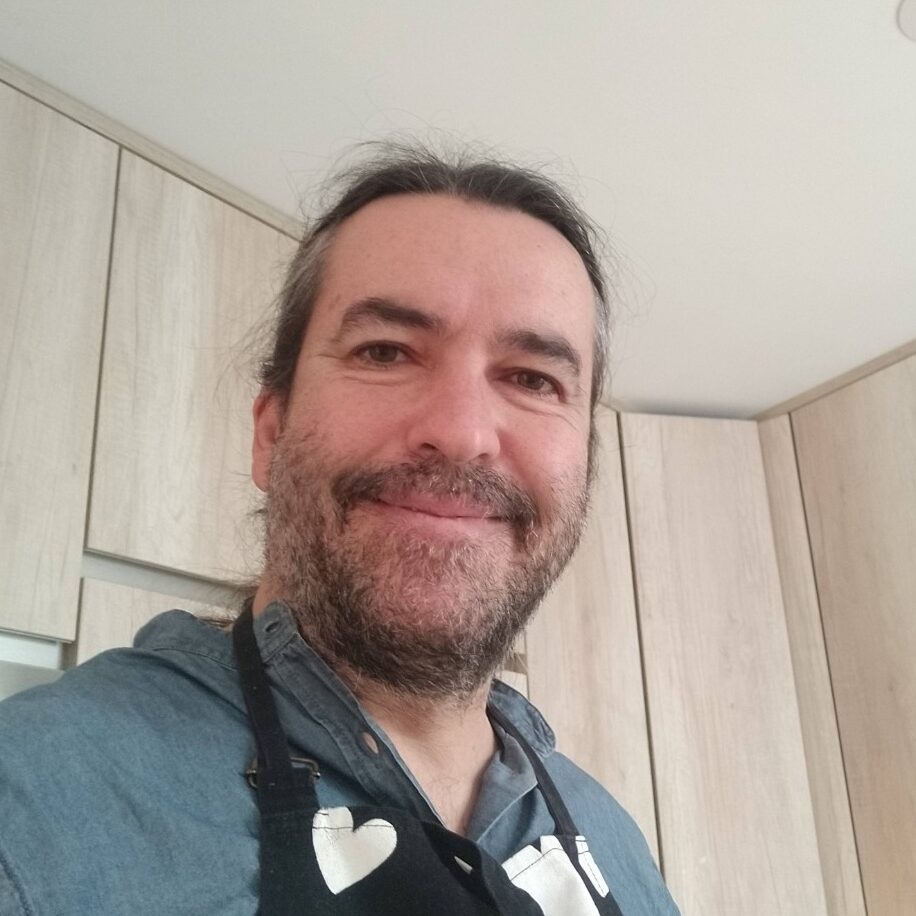
Willi Gómez, philosophy teacher as well as group dialogue facilitator employing the Lipman method in a regional Children’s Philosophy Association. He has vast leadership experience working with groups on social issues such as access to housing, climate justice, and public education. He is the president of the energy community and is involved in administrative duties, mission-building, organizing, planning, networking, and project development.
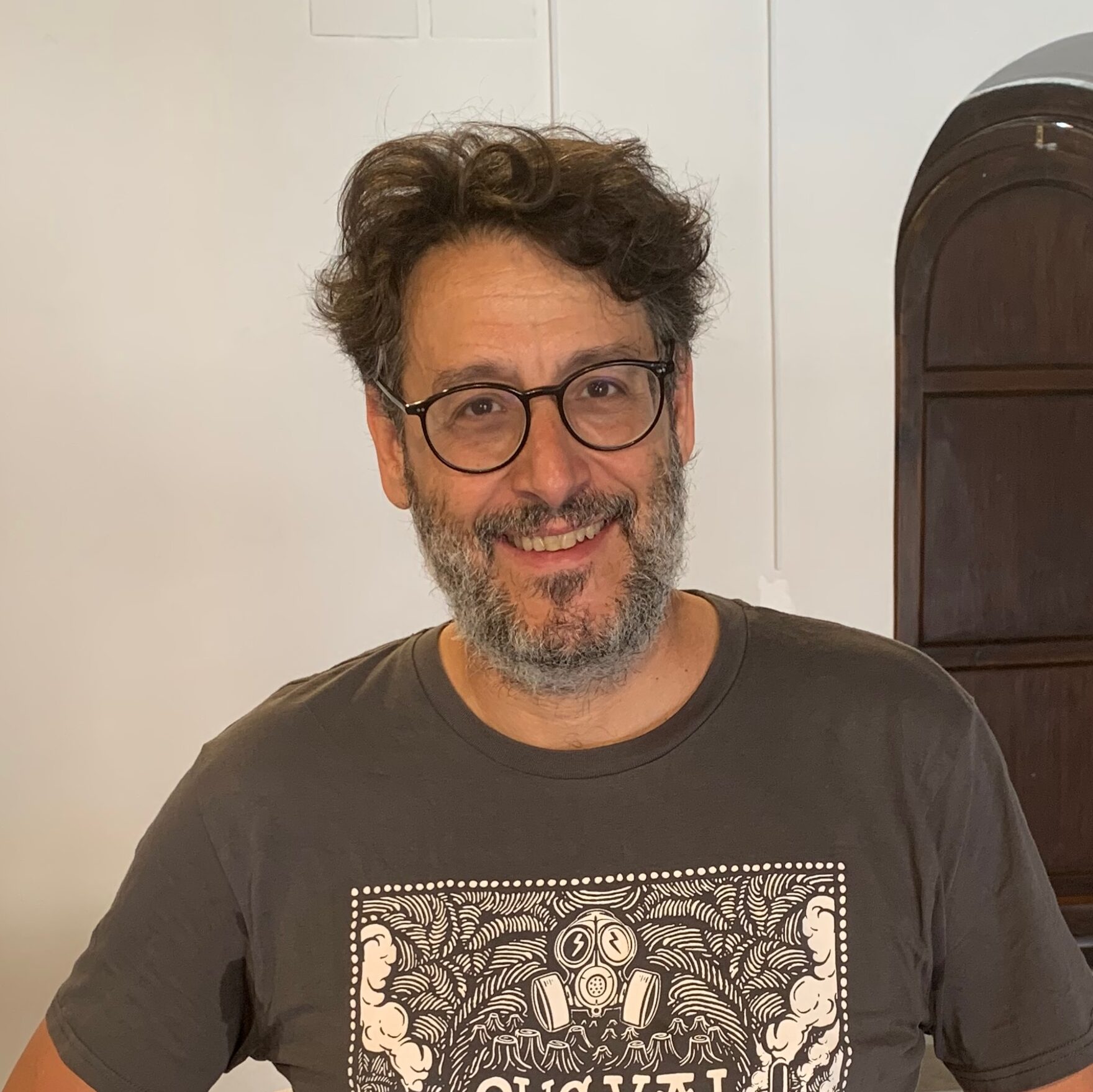
Javier Pérez Sáez, chemical engineer with extensive work experience managing complex international energy projects. He is the vice president of the energy community and also a leader and organizer in various neighborhood and local associations. With his expertise in project management, he has developed a series of economic models for the projected energy community solar installations that lend special attention to promoting inclusivity and energy solidarity.
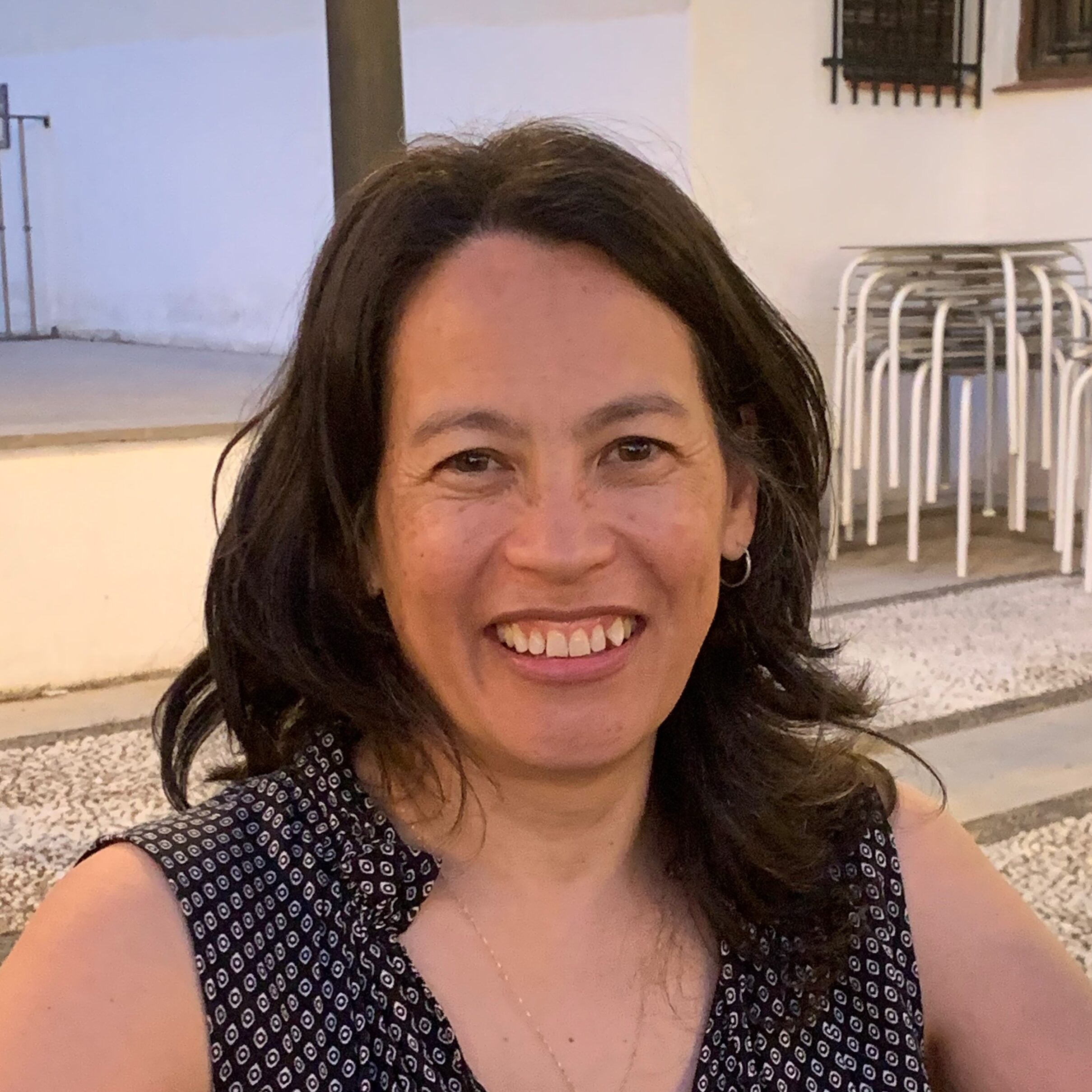
Margalit Chu, PhD in the areas of gender and development, political economy, and social geography. She works as a medical case manager while also running a popular community-centered café and has long-term experience in NGO-related social justice and environmental activism. She is the secretary of the energy community and has played a key role in envisioning, organizing, building, and promoting the energy community with a strong focus on inclusivity and a just energy transition.
Summary: CEBA, Comunidad Energética Barrios de la Alhambra is a local non-profit and participatory citizen initiative in Granada, Spain that counts on more than 80 members. CEBA is part of a broader network of energy communities in Andalusia, in a moment of their increasing dissemination in the Spanish and European context. The objective of CEBA is to work towards climate justice and to foster social cohesion and community participation in cultural heritage neighborhoods that are exposed to gentrification and touristification. The project aims to produce green energy by means of collective solar panels to be installed in existing public or private buildings, as a sustainable and decentralized alternative to large-scale power plants. The initiative also plans to contribute to energy solidarity by providing electricity to families in situations of energy poverty. To implement these objectives, CEBA has elaborated a long-term sustainable economic model and an Equality and Inclusivity Plan. This way, CEBA aims to contribute to planetary health, climate justice, social equity, and community health.
Arlene Lehto is an Indigenous author and facilitator whose work centers on community healing through storytelling, land-based practices, and intergenerational connection. She integrates traditional knowledge with practical approaches to strengthen resilience across communities.
Summary: Arlene invites us to reflect on cultural safety, compassion, and values-based practices that recognize people beyond data, honoring their full humanity. She shares insights on trauma-informed and Indigenous approaches that foster environments where individuals feel heard, respected, and supported. About – Circle Bound Strategies
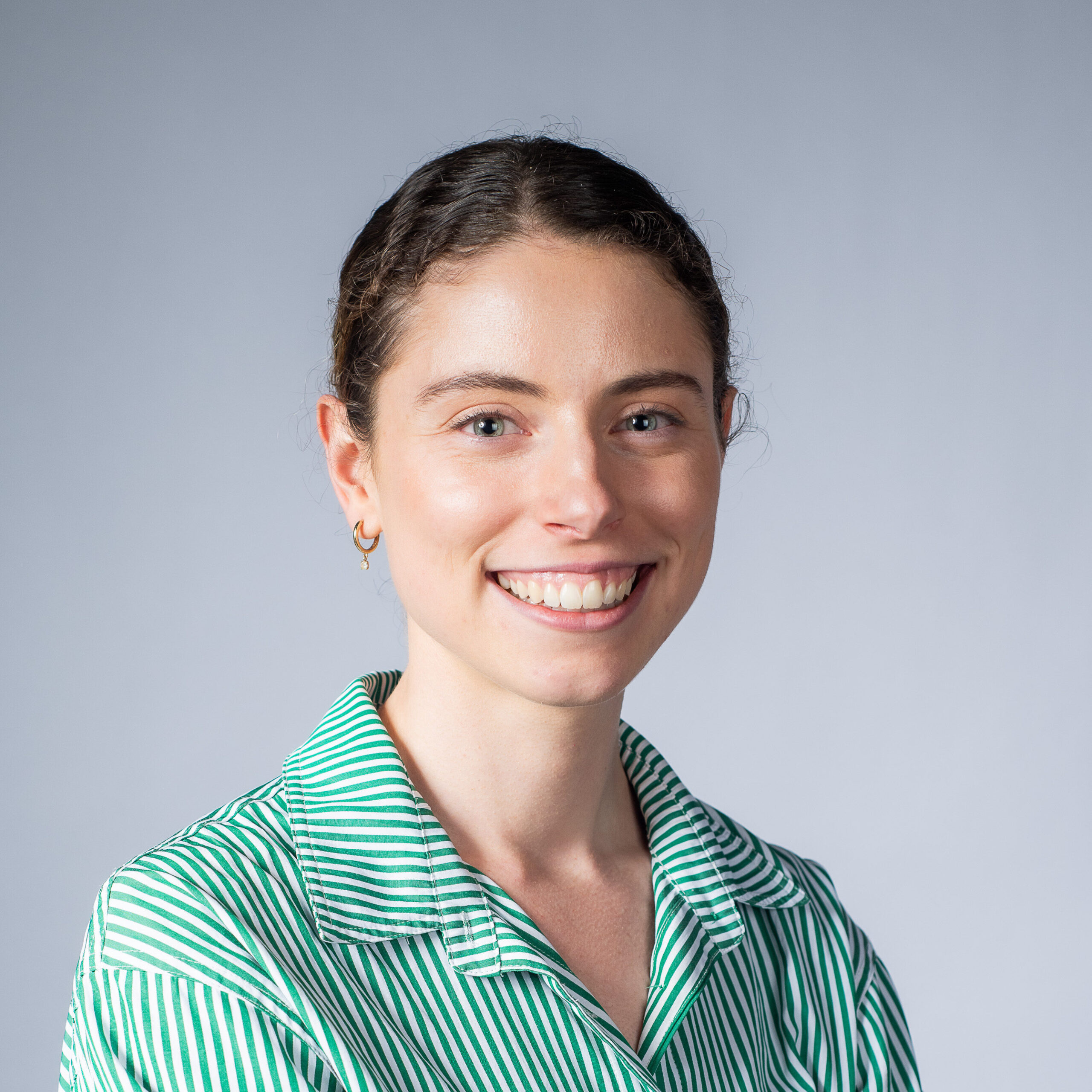
Allyson Todd is the Youth Engagement Lead at the Youth Well Lab and a PhD candidate and Research Officer at the University of Sydney’s Faculty of Medicine and Health. Her research centres on chronic disease prevention in adolescents, with a strong focus on meaningful youth engagement in health research and policy. She holds a Bachelor of Global Studies (Health Major) and Master of Public Health. She is an active member of the Public Health Association of Australia Students and Young Professionals in Public Health Committee, and Secretary of the Child and Youth Health Special Interest Group.
Summary: Allyson will share insights on her career working in community health, specifically working in partnership with adolescents to promote their health and wellbeing. She will reflect on her experience working on two specific projects: the Health Hive which aims to build young people’s real-world skills in research, leadership, and advocacy to shape healthier futures, and the Healthy Places, Healthy Futures Coalition which aims to advance health and chronic disease prevention through a planetary health lens.
Reading suggestions
Dr Rudolf Abugnaba Abanga (PhD):
- Rossmann S, Gebrewold B. Communities creating climate solutions for a healthy planet and healthy people. npj Climate Action. 2024;3(1). doi:10.1038/s44168-023-00077-y
- Crosse AM, Barry MM, Lavelle MJ, Sixsmith J. Bridging Knowledge Systems: A Community-Participatory Approach to EcoHealth. International Journal of Environmental Research and Public Health 2021, Vol 18, Page 12437. 2021;18(23):12437. doi:10.3390/IJERPH182312437
- World Health Organisation. (2020). Community engagement: A health promotion guide for universal health coverage in the hands of the people. https://www.who.int/publications/i/item/9789240010529
- Odugleh-Kolev, Asiya & Parrish-Sprowl, John (2018). Universal health coverage and community engagement. Bulletin of the World Health Organisation, 96(9), 660 – 661. World Health Organisation. https://doi.org/10.2471/BLT.17.202382
- Abugnaba-Abanga R, Doke DA, Browne J, Downward G, Otsuki K (2026). Translating national climate policies to resilience actions at the subnational level in low-resource settings: Lessons from Ghana’s health systems. PLOS Climate 5(3): e0000779. https://doi.org/10.1371/journal.pclm.0000779
- Abugnaba-Abanga, R., Adzo Doke, D., Kolbe Domapielle, M., Alemna Adogboba, D., & Ostuki, K. (2026). Facilitators and barriers to mainstreaming climate change adaptation and mitigation into sub-national health systems: Perspectives from primary health care managers in low-resourced settings of Ghana. Public Health, 252, 106135. https://doi.org/10.1016/J.PUHE.2026.106135
Leonardo Adorno:
- Leonardo Camargo Adorno. The Climatic Dragon’s Roar, a summary.
Mélanie Boivin :
- www.centremamik.com
- Profile of the SLSJ population
- Indigenous Health Research Briefing, January 2025 | Institut national de santé publique du Québec
CEBA Comunidad Energética Barrios de la Alhambra:
- CEBA, Comunidad Energética Barrios de la Alhambra. Vídeo explicativo; 2024. https://www.youtube.com/watch?v=ttYYGZDGo6k
- European Commission. Energy communities; 2026. https://energy.ec.europa.eu/topics/markets-and-consumers/energy-consumers-and-prosumers/energy-communities_en
- Pérez-Pérez B. Comunidades energéticas en barrios patrimoniales: Comunidad Energética (CE) Barrios de La Alhambra. Energy communities in heritage districts: Energy Community (EC) Alhambra Districts (Grenade). Revista de Estudios Andaluces. 2023;46:102-125. https://dx.doi.org/10.12795/rea.2023.i46.05
Christelle Eugénie Gnimassou:
- World Health Organisation (WHO). World Mental Health Report: Transforming Mental Health for All (2022). https://www.who.int/publications/i/item/9789240049338.
- World Health Organisation (WHO). Mental Health Atlas. https://www.who.int/teams/mental-health-and-substance-use/data-research/mental-health-atlas.
- Intergovernmental Panel on Climate Change (IPCC). Sixth Assessment Report (AR6). https://www.ipcc.ch/assessment-report/ar6/.
- United Nations Development Programme (UNDP). Publications on human development and community resilience. https://hdr.undp.org/ https://www.undp.org/
- UNICEF. Mental health and psychosocial support. https://www.unicef.org/mental-health.
- American Psychological Association (APA). Trauma, resilience and mental health. https://www.apa.org/topics/trauma et https://www.apa.org/topics/resilience
- Africa Centres for Disease Control and Prevention (Africa CDC). Mental health in Africa. https://africacdc.org/
- Harvard Medical School. Stress, emotional regulation and psychological resilience. https://hms.harvard.edu/
Mary Ann Manahan:
- Fabro, K.A. (2023). Indigenous youths keep ancient forestry traditions alive in the Philippines. Mongabay, accessed at Indigenous youths keep ancient forestry traditions alive in the Philippines
- Kothari, A., Corrigan, C., Jonas, H., Neumann, A. and Shrumm, H. (eds.) (2012), “Recognising and Supporting Territories and Areas Conserved by Indigenous Peoples and Local Communities: Global Overview and National Case Studies”, Secretariat of the Convention on Biological Diversity, ICCA Consortium, Kalpavriksh, and Natural Justice, Montreal, Canada, Technical Series no. 64, pp.160
- Nikolakis, W., Gay, V., Merkel, G., Sunderland, T., & Morrison, J. (2026). The relationship between Indigenous Peoples’ lands and conservation: A systematic literature review. People and Nature, 00, 1–16. https://doi.org/10.1002/pan3.70310 (news report: Indigenous lands protect wildlife better than many government parks, research says)
Eliana Martinez Herrera:
- Piggott T, Leontiadis G, Herrmann A et al. We’re living through a planetary health crisis: health guidelines must consider planetary health. The Lancet Planetary Health, 8, e979-e980
- The Right to Health and the Triple Planetary Crisis OHCHR and the right to health://www.ohchr.org/en/health/right-health-and-triple-planetary-crisis?__cf_chl_tk=Ev__Z08yhHDsJEu4Xk_kQ1ZklSuJN82FRHDlm.XAyFo-1780928647-1.0.1.1-ltQm0N1F2YzwPYOFYu.eWYL2jBgcOvYZVAebAH4_5OM
Sarah Michaud and Adil Mansouri:
- von Borries R, Guinto R, Thomson DJ, Abia WA, Lowe R. Planting sustainable seeds in young minds: the need to teach planetary health to children. Lancet Planet Health. 2020 Nov;4(11):e501‑e502. doi:10.1016/S2542-5196(20)30241-2. PMID:33159873.
- Abia WA, Fomboh R, Kognoudjui AM, Abia EA. One Health Education for Children as a Catalyst for Systems Change and Climate Action in Africa. Public Health Rev. 2025 Nov 14;46:1608071. doi:10.3389/phrs.2025.1608071. PMID:41321977; PMCID:PMC12660149.
- One Health Commission. Primary, Secondary, K‑12 One Health Education Resources [Internet]. Cary (NC): One Health Commission; [cited 2026 May 21]. Available from: https://www.onehealthcommission.org/en/resources__services/one_health_education_resources/primary_secondary_k12_oh_education_resources/
Richard Osborne BSc, PhD:
- The Ophelia (Optimising Health Literacy and Access) process Manual https://healthliteracydevelopment.com/the-ophelia-manual/
- The WHO 2022 report on Health Literacy Development for the Prevention and Control of Noncommunicable Diseases https://www.who.int/groups/gcm/health-literacy-development-for-ncd-prevention-and-control
- Systematic development and implementation of interventions to Optimise Health Literacy and Access (Ophelia) https://link.springer.com/article/10.1186/s12889-017-4147-5
Allyson Todd:
- Sign up to the Health Hive’s free online course ‘Foundations in Public Health Research & Advocacy for Young People’: https://www.youthhealthhive.com/free-online-course
- Read how the Health Hive was co-created with young people in this youth-led reflection, published in the Lancet Child and Adolescent Health: https://www.thelancet.com/journals/lanchi/article/PIIS2352-4642(26)00001-5/abstract
- Learn more about the Healthy Places, Healthy Futures Coalition: https://www.sydney.edu.au/charles-perkins-centre/our-research/initiatives/healthy-places-healthy-futures-coalition.html
- Join the Healthy Places, Healthy Futures Coalition via this form: https://redcap.sydney.edu.au/surveys/?s=3RXXHF77FM7AYKKR
Facilitators
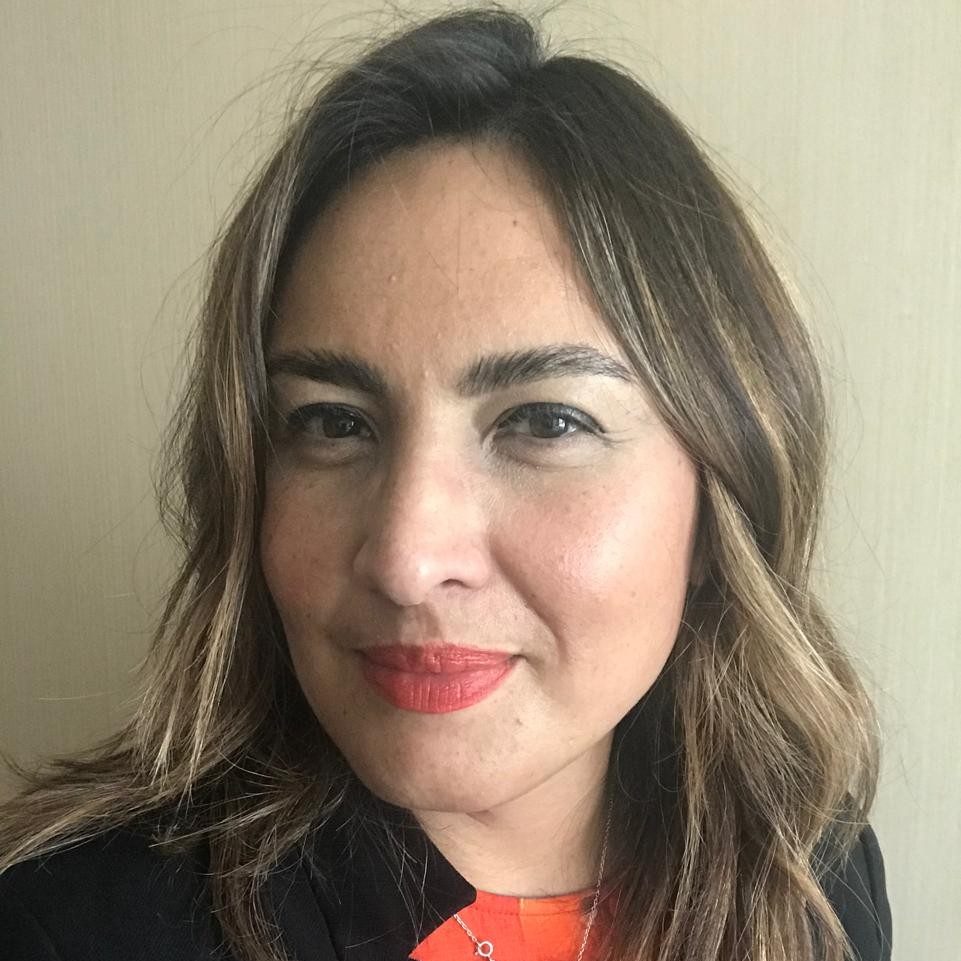
Gabriela Argumedo holds a Ph.D. in Health from the University of Bath (the United Kingdom) and was part of the 2017 cohort of the Winter Doctoral School at the Technical University of Munich (Germany), within the Department of Sport and Health Sciences. Her research interests focus on health literacy and the promotion of healthy lifestyles, including physical activity, sleep, healthy eating, and sedentary behaviour prevention. Gabriela also holds a master’s degree in Development and Planning of Education from the Universidad Autonoma Metropolitana (Mexico), which has nurtured her strong interest in schools as a key setting for health education and promotion. She is the author and co-author of 41 publications so far, including peer-reviewed journal articles, science outreach pieces, and book chapters in the fields of health, health education, and health literacy. Gabriela is a National Researcher (Level I) at the Secretariat of Science, Humanities, Technology, and Innovation (SECIHTI) in Mexico.

Nicolas BALLO, a Beninese national, holds a Certificate of Professional Competence in Secondary Education (CAPES) in History and Geography and a Professional Certificate in Public Health. With over a decade of experience, he works to improve the health of vulnerable populations and reduce social inequalities in health. As a Project Manager, he has recently successfully coordinated projects such as ‘Scaling up universal access to HIV prevention, care, treatment and community-based support services’ and ‘Implementation of Community-Led Monitoring (CLM) activities and monitoring of human rights commitments’ under funding from the Global Fund/GC7/C19RM with Plan International Benin and CNLS-TP. He is also an Expert in the Design of Educational Resources and an Online Tutor in the RELIEFH programme at the Institut de la Francophonie pour l’Education et la Formation (IFEF).
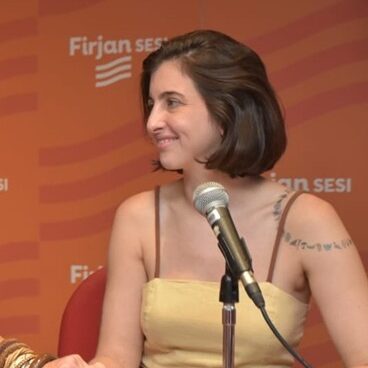
Anna Becker is a PhD researcher in Education at the University of São Paulo, and holds a double Master’s degree in International Development and Policy Analysis from the Geneva Graduate Institute and PUC-Rio. Her research explores the interface between public policy and educational innovation, investigating how local efforts can find support and sustainability through public programs. She is currently a Program Manager in the Health Promotion Centre (Cedaps), working with a network of 40 local organizations in a youth inclusion program. Anna also has eight years of experience in international and civil society organizations such as Unicef, OECD, and Teach For Brazil, specializing in program management, strategic partnerships, and curriculum design. She is dedicated to bridging local solutions with systemic global policy, connecting local voices to decision-making spaces.

Dr Togbanan Chérif is a dedicated public health professional with over ten years’ experience in strengthening community health in Chad. His work is underpinned by an approach based on human rights, equity, community participation and the sustainability of health systems. At the NGO BASE, he currently coordinates the programme supported by the Global Fund to Fight HIV, Tuberculosis and Malaria, with a particular focus on integrating community-based approaches into public health policy. Dr Chérif also works to create spaces for dialogue, learning and mobilisation around the links between health, climate and social justice. His approach emphasises community engagement, particularly with young people, the promotion of local and indigenous knowledge, and the strengthening of community resilience in the face of the effects of climate change. Convinced that communities must be at the heart of public policy, he advocates for fairer, more inclusive and resilient health systems, capable of addressing contemporary health and environmental challenges whilst limiting the influence of commercial interests that run counter to public health.
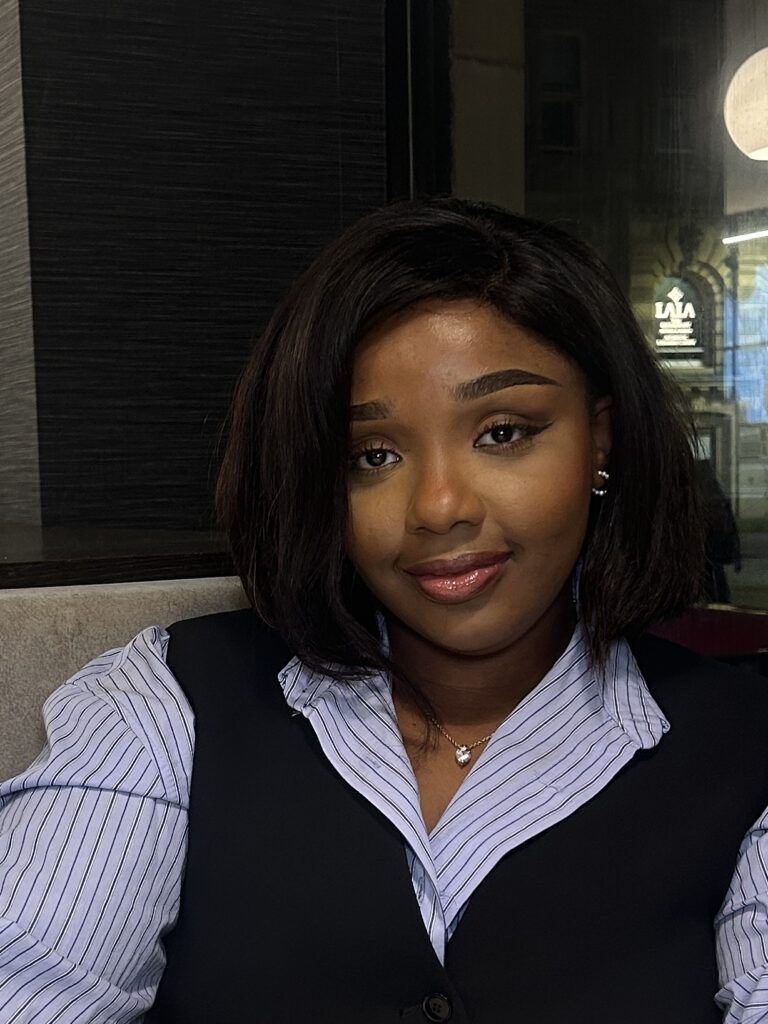
Somto Chike Obuekwe. I hold a Bachelor of Pharmacy (B.pharm), a Master of Science (MSc), and a PhD in pharmacy pracCce. My professional and research background is in community pharmacy pracCce, mental health, and suicide prevenCon. I currently work in the mental health sector in the United Kingdom. My research interest is on suicide prevenCon and improving access to mental health services in low- and middle-income countries.

Joana Collet. I am a PhD candidate in the interdisciplinary programme in Health and Society at the Université du Québec à Montréal (UQAM). My research focuses on innovative learning spaces designed to promote healthy lifestyles among primary school pupils, with a particular emphasis on how school stakeholders (teachers and pupils) in the Lab-École initiative use, appreciate and take ownership of these spaces. Directly linked to healthy lifestyles, this project falls within my areas of expertise and allows me to contribute to a collective reflection on children’s health. It also offers me the opportunity to share current issues related to health promotion in schools. The results of this research highlight the importance of an integrated approach by giving a central role to school stakeholders in the design of the schools of tomorrow.
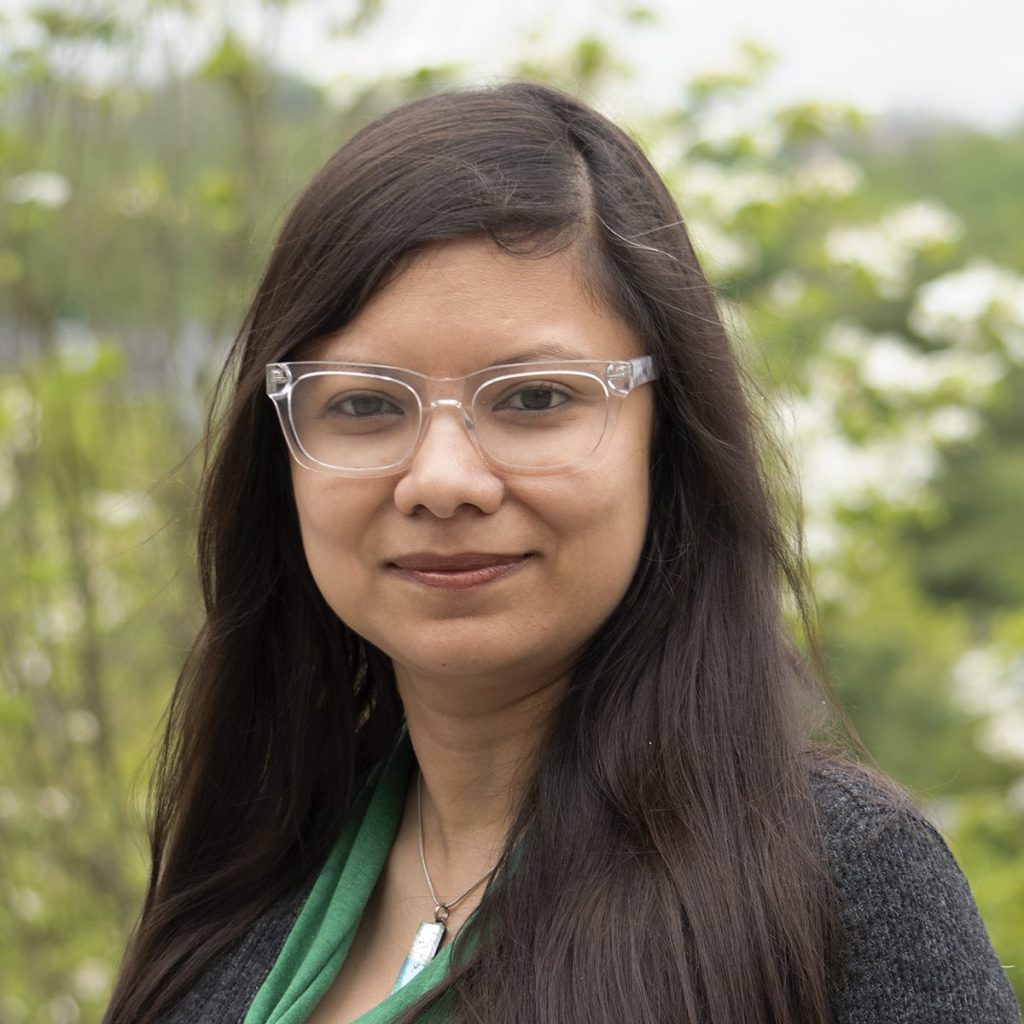
Satarupa Dasgupta, Ph.D., is an Associate Professor of Communication Arts (Applied Communication) at Ramapo College of New Jersey. Her research focuses on health communication, program development and evaluation, and social outreach, with experience spanning academia and the not-for-profit sector. She has worked on violence prevention among commercial sex workers, prevention of sex trafficking, and rehabilitation of sex trafficking survivors in international settings, and also on intimate partner violence support service provision among immigrant communities in the US. Other than being an academic, she has been a sexual assault support services advocate in her state of residence, and has worked in the implementation of federally funded support services programs. She has published extensively in her area of expertise, has served several national and international organizations as program chair, and is on the editorial board for several journals.
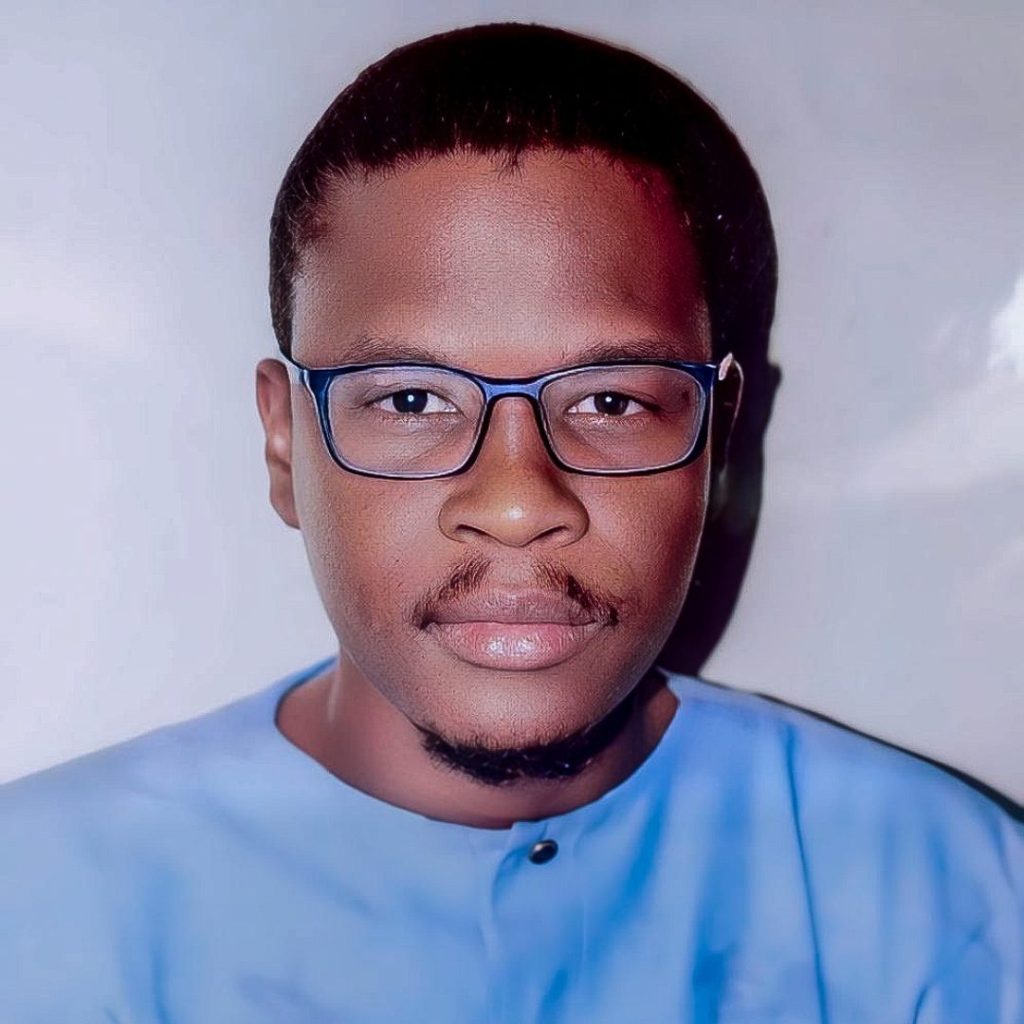
Oumar Bella Diallo, a Senegalese national, holds a Master’s degree in Life and Earth Sciences Education, a vocational degree in Health Education and Promotion, and a Bachelor’s degree in Biology, Chemistry and Geosciences, all obtained from Cheikh Anta Diop University in Dakar. As a professional committed to health promotion, he works to improve the health of vulnerable populations and reduce social inequalities in health. He is participating in the global community health workshop for the fourth consecutive year as a facilitator. He was a junior researcher and member of the advisory committee for the HIRA (Shelter, Inform, Resocialise and Empower), led by the Laboratory for the Analysis of Societies and Powers in Africa and the Diaspora (LASPAD) at Gaston Berger University in Saint-Louis, on the political and social challenges of providing healthcare for adolescent girls who are victims/survivors of sexual and gender-based violence in Senegal. With practical experience at the intersection of climate, health and community resilience , Oumar is co-founder of the Senegalese Association for Health Promotion and Education (ASPES), and Ambassador for the Mental Health Leadership and Advocacy Programme (MHLAP) of the Africa CDC / African Union.
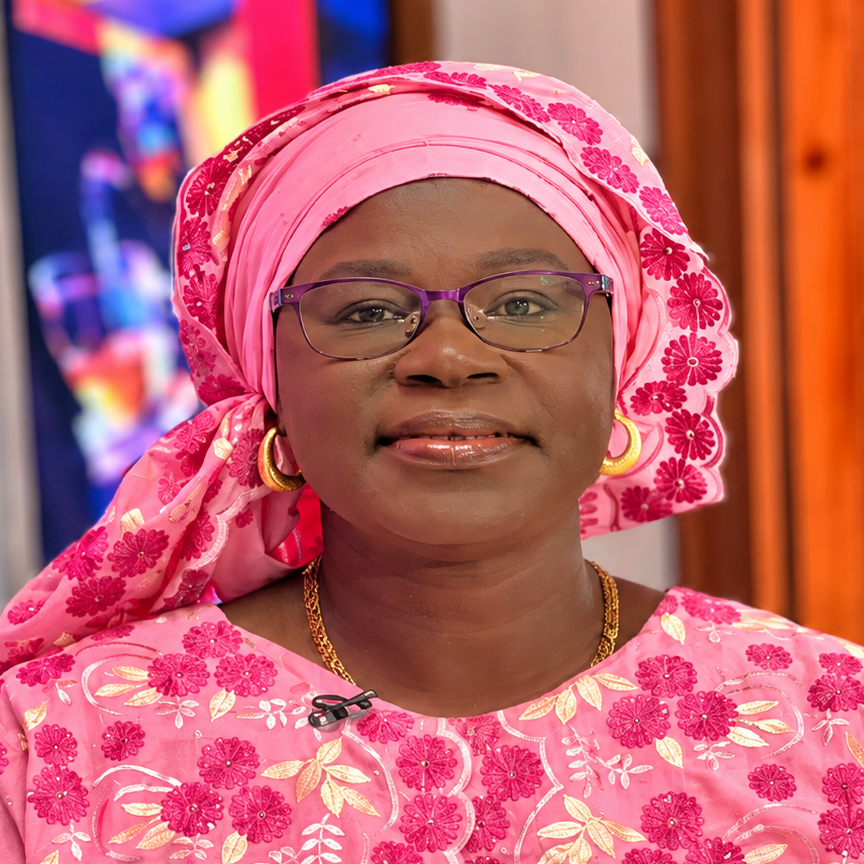
Ms. Ndeye Fatou Dione DIONE is a consultant, educator, trainer, and expert in economic and social development, community health, gender, and leadership. A doctoral candidate with several degrees in management, finance, health, security, and peace, she has over twenty-five years of experience supporting organizations, communities, and development projects in Senegal. As the founder of the consulting firm CASEDES and a certified expert in the evaluation of training organizations, she works in capacity building, project management, social entrepreneurship, social protection, and women’s empowerment. Active in several national networks, she actively contributes to the promotion of inclusive and sustainable development.

Rosalie Aduayi Diop, Director of IPDSR, holds a master’s degree in Health, Environment and Sustainable Territories (SSEnTS) from the University of Versailles Saint-Quentin-en-Yvelines (UVSQ) She is a teacher/researcher at the Institute of Population, Development and Reproductive Health at Cheikh Diop University in Dakar (IPDSR/UCAD). She has a PhD in sociology from the Université du Québec à Montréal (UQAM). Dr Diop is involved in a wide range of teaching and research activities in Senegal, focusing on issues such as changes in the family, adolescents and young people in vulnerable situations, violence and reproductive health, and maternal health. She is also an active member of the Association internationale des sociologues de langue française (AISLF); research committee No. 28 Sociologie de la Jeunesse; the International Sociological Association (ISA); and recently a committee member of the International Union for Health Promotion and Education (IUHPE).
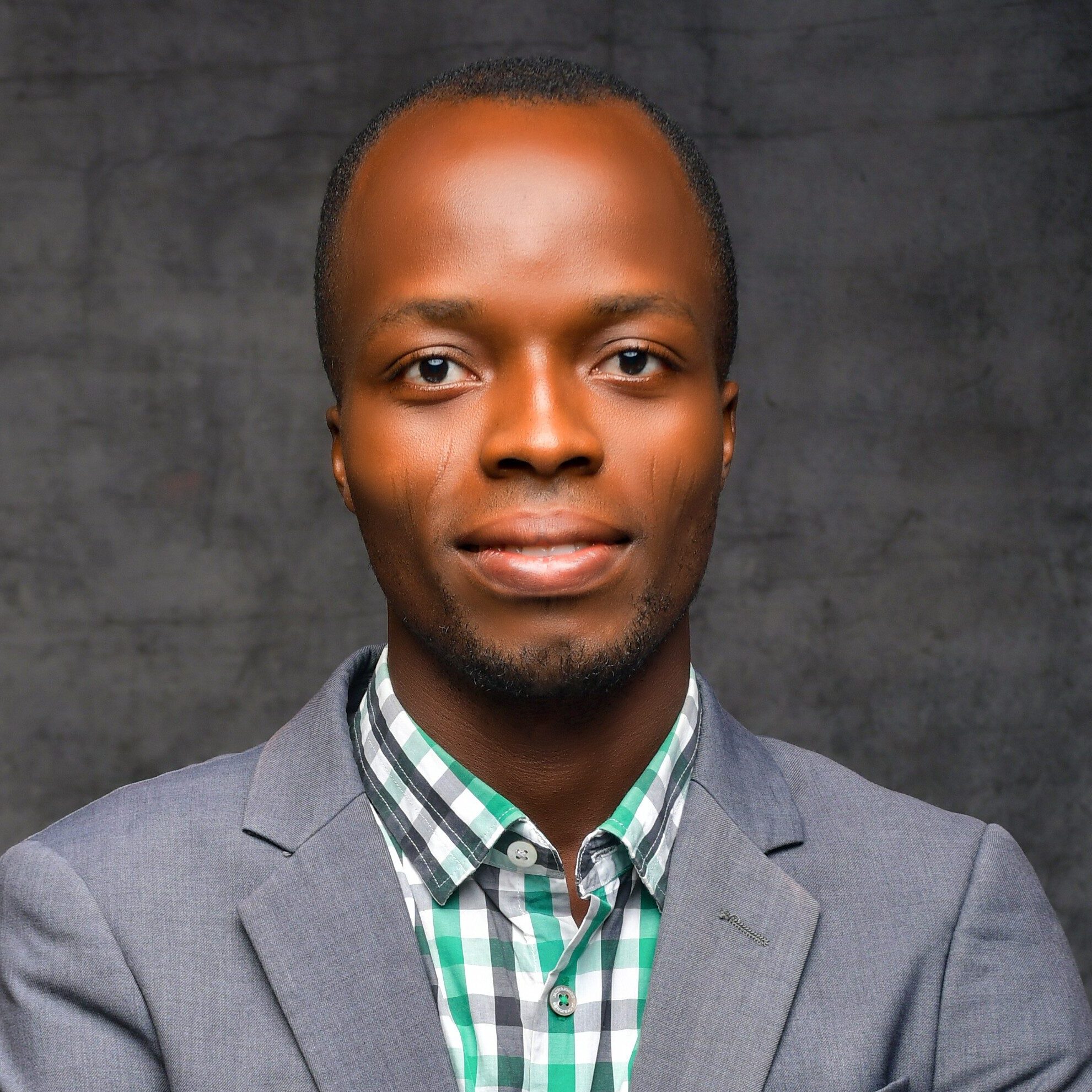
Ange-Marie Nicodème ESSE, MSc in Health Promotion, is a community health advocate and Executive Coordinator of the Health Access Initiative (HAI) in Benin. With over eight years of professional experience, he has successfully led several community initiatives aimed at strengthening health systems, promoting gender equality, encouraging youth leadership and improving access to health services in rural and vulnerable communities. An active member of the International Francophone Network for Health Promotion (REFIPS), he has also served as Consultant-Coordinator for the Urban Poverty and Justice project in West Africa at Justice & Empowerment Initiatives (JEI). His commitment and leadership have been recognised internationally, notably through the prestigious King Hamad Youth Empowerment Award for Achieving the Sustainable Development Goals 2025 in Bahrain.
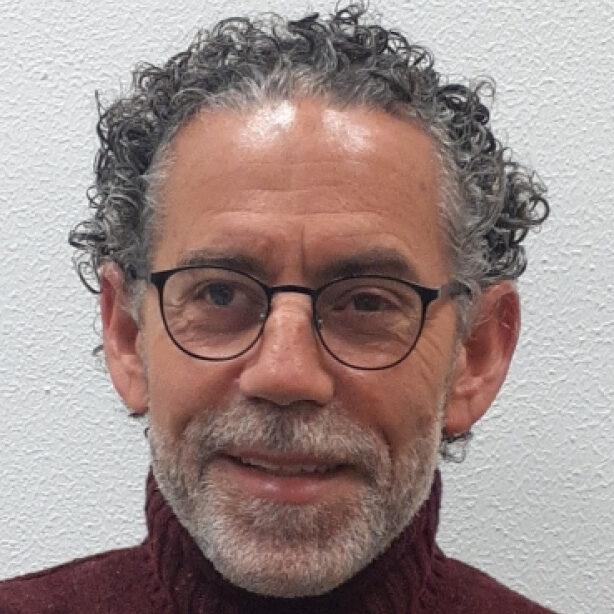
Pablo García-Cubillana de la Cruz currently works at the Andalusian Health Service and the Regional Ministry of Health and Consumers Affairs of Andalusia, Spain, as Director of the Andalusian Strategy for Healthy Living. He is a Nurse and Psychologist, with specialisation in mental health nursing, relational psychotherapy and health promotion. Much of his professional career has been developed in the field of mental health and since 2018 in the field of health promotion, encouraging new advances in the field of the promotion of healthy living, with a comprehensive and intersectoral approach, a salutogenic view and an emphasis on the social determinants of health.
Helena Franceschini is a PhD candidate at the Health Science Interdisciplinary Centre of Sant’Anna School of Advanced Studies in Pisa, Italy. Her research investigates effective strategies for engaging communities in adopting healthy and environmentally sustainable behaviours, exploring the relationship between health and environment through health promotion, education, and participation. She holds a Master’s degree in Geography (ENS de Lyon, France) and worked in water-related services and WASH public policy before serving as Project Officer for the UNESCO Chair on Global Health & Education. She currently leads youth involvement and participation activities through the Young Professionals panel, alongside a group of dedicated young professionals from around the world. Through her work, Helena is dedicated to advancing planetary health and health promotion.

Abubakar Ibrahim Hassan, Ph.D is an expert in Community Health Education and School Health Programme. He was a former Head of Department, Human Kinetics and Health Education, and the current Dean, Faculty of Education, Bayero University, Kano-Nigeria, a Member of Senate and Research Ethics Committee on Science, Environment and Technology of the University. He also worked in Primary, Secondary and College of Education, supervised many Ph.Ds, M.Sc(Ed) and Undergraduate Students, a SAGE Reviewer and a Principal Investigator in TETFUND Institutional Based Research. Dr. Abubakar is the CEO/Founder of Community Education and Health Promotion Initiative (CEHPI), Chairperson, Kano State Chapter and National Auditor of Nigerian Association of Health Educators.
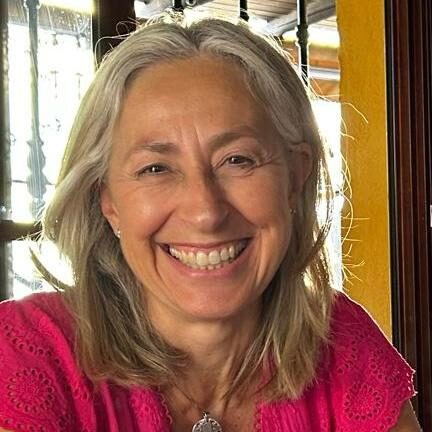
María del Rocío Hernández Soto. Medical Doctor and PhD in Pediatrics. She is a senior public health leader with extensive experience in health system governance, territorial management, and population based strategies within complex institutional environments. She has held senior executive positions in regional health administrations, contributing to large scale programs in healthcare delivery, prevention, health equity, and organizational development. Her professional trajectory combines strategic leadership with strong operational capacity, including the direction of multidisciplinary teams, management of public budgets, and coordination across political, technical, and community stakeholders. Throughout her career, she has promoted integrated approaches linking health, education, and social determinants, with a particular focus on women, children, and vulnerable populations.

Vladimir Donan Honfo holds a Bachelor’s degree in Dietetic Nutrition and a Master’s degree in Public Health, specialising in Community Health. He has over five years’ experience and has contributed to various major health and nutrition programmes, such as the PMASN, the PNDPE and the ‘1-365’ daily malaria prevention initiative, in several municipalities and NGOs across Benin. Currently a junior consultant on the drafting of the protocol for the prevention and management of malnutrition (PECMA) in Benin, commissioned by the WHO, he continues his pursuit of excellence to bring about lasting improvements in community health through nutritional and public health interventions.

Joy Ukanne Ikegulu is a Lecturer of Health Promotion and Public Health Education at the Nnamdi Azikiwe University, Awka, Nigeria.She has published and co-authored scientific papers on various topics in Health Promotion.She is an Exco of the Nigeria Association of Health Educators (Anambra State Chapter) Nigeria,and a member of Health Promotion Research Association of Nigeria.

Inélus Ernest Josias, a Master’s student in Education Science specialising in educational accessibility and inclusive education, holds a Bachelor’s degree in Social Work. A trained public health officer, he is also a university lecturer in his region. He is a candidate to lead Jalon E, the humanities and social sciences journal of the Haitian Centre for Social Science Research (Charesso-Jalon E). Through his work on the concepts of gender, disability and inclusion, and his experience in public health, he hopes to continue promoting health through community health initiatives and environmental protection using ecological approaches, in order to prevent any factors that might adversely affect the population’s health.
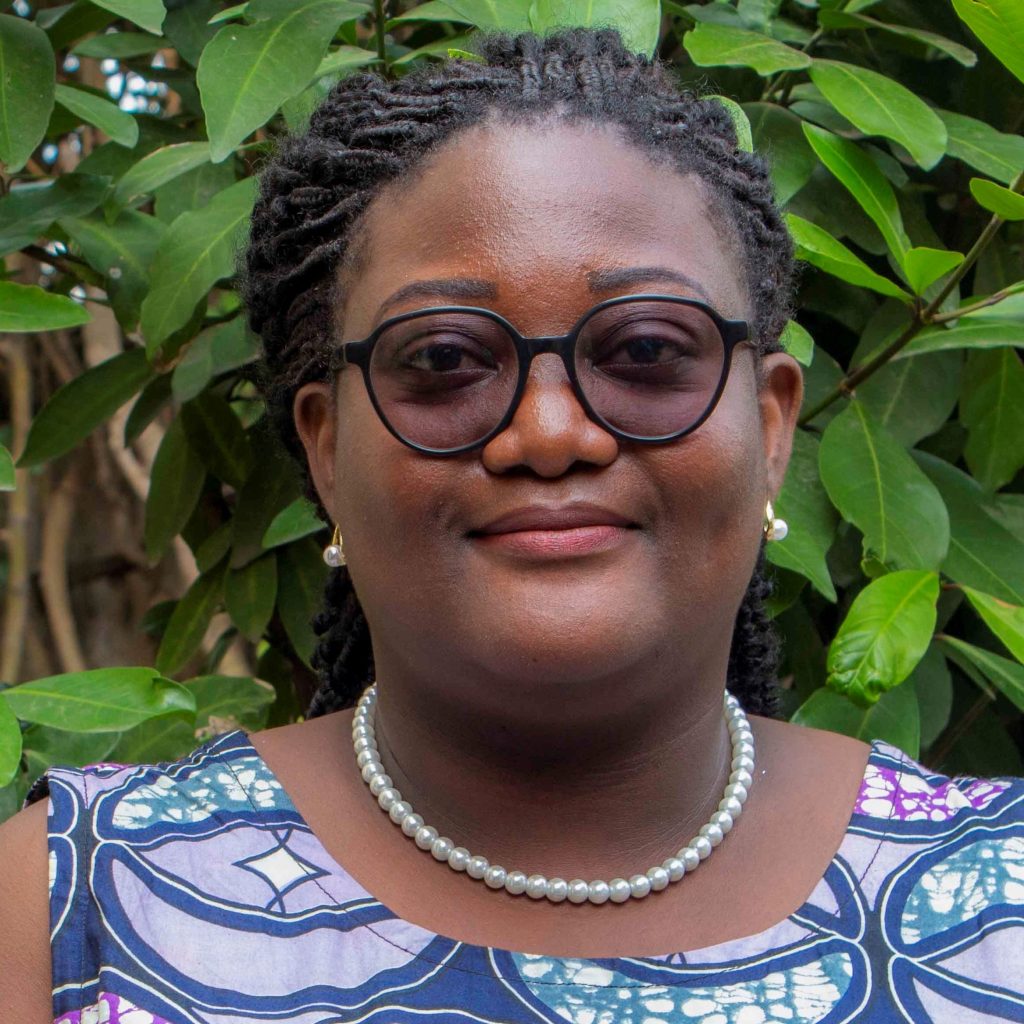
Fifamè Loristia Keynesse Kpadonou is a healthcare professional with a Master’s degree in Public Health, specialising in Epidemiology. She has over five years’ experience in project management, community outreach, data collection and health education. Her career has enabled her to develop operational leadership skills in the planning, implementation and monitoring and evaluation of projects and programmes in collaboration with various community and institutional stakeholders. Committed to science communication through the media, she uses her skills to support the sustainable strengthening of health systems.
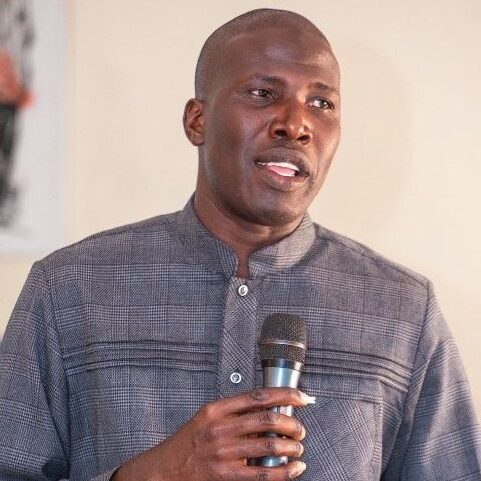
Abdou Khaly Mbodj is a PhD student in community health at Alioune Diop University in Bambey, Senegal. He is the coordinator of the Dëkkandoo consortium, through which he oversees the implementation of the Saint-Louis Nutrition Strengthening Project (PRN2S), an initiative rooted in local community dynamics that links nutrition, development and community empowerment. Working at the interface between research and practice, he is also an associate lecturer on the professional bachelor’s degree programme in health education and promotion at Cheikh Anta Diop University in Dakar, run in partnership with the UNESCO Chair Global Health & Education.
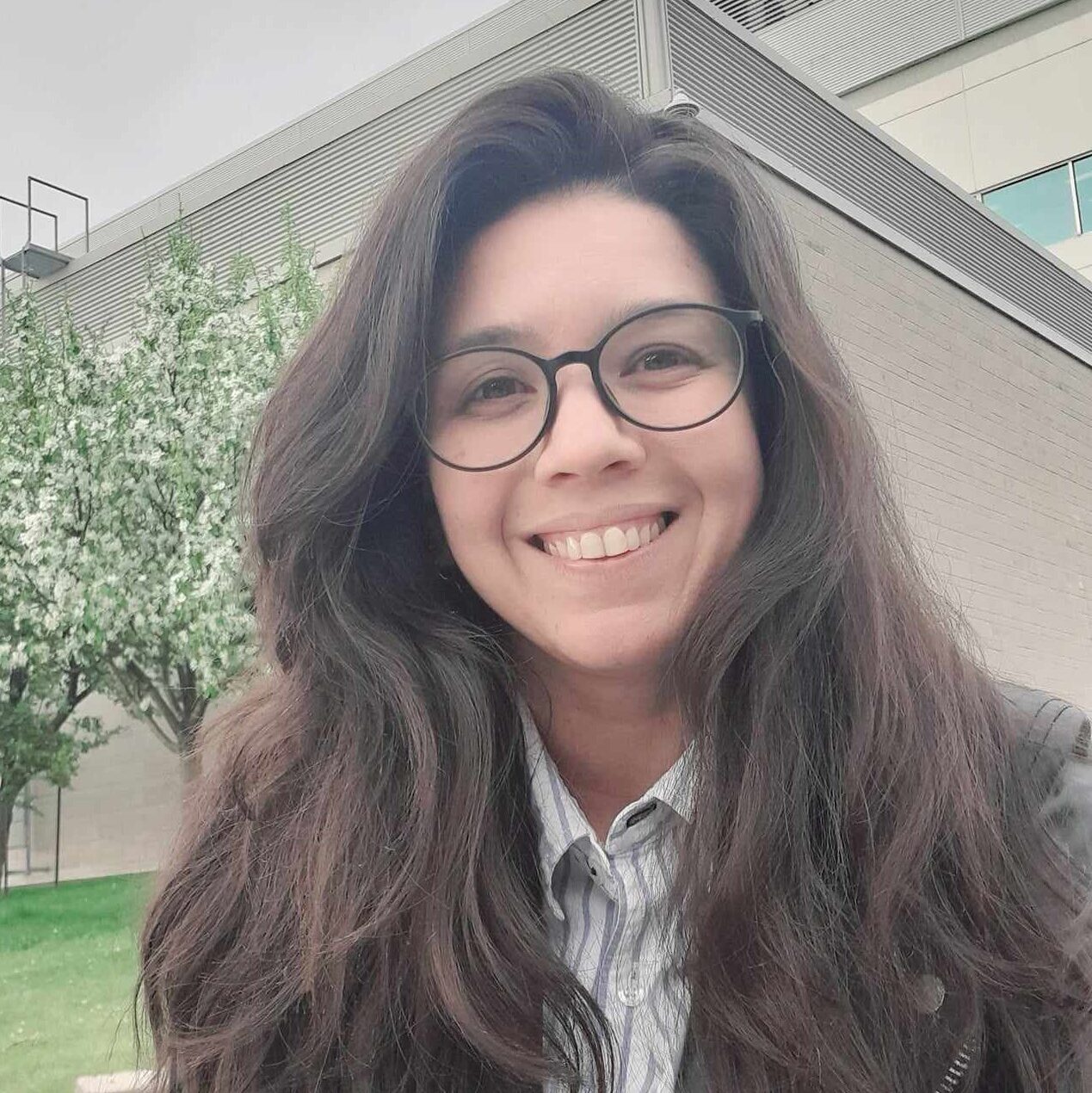
Anna Larice Meneses Galvao. A nurse and public health graduate, she holds a Master’s degree in Public Health from the University of São Paulo (BR) and is currently a PhD candidate in Public and Community Health at Laval University (CA), where she conducts research on public health and frontline services. She works as a consultant to the Quebec Commissioner for Health and Well-being in the role of research officer and chairs the board of directors of the community organisation Carrefour d’action interculturelle, whose mission is to actively contribute to the social and economic inclusion of immigrants in Quebec City. She is also a member of the student committee at VITAM (Centre for Sustainable Health Research), where she coordinates career development activities for students. Her professional background is characterised by experience in health policy research and analysis. Her interests focus particularly on primary care, public health and access to services. She is also interested in issues of equity, social inclusion and the strengthening of health systems from a population and community perspective.

Mouhamadou Mansour Ndoye. A physician and public health specialist with a master’s degree in health promotion from the University of Parakou in Benin, I am particularly interested in the social, environmental, behavioral, and digital determinants of health. I advocate for a cross-sectoral approach in which health is at the heart of public policy. My work is primarily situated at the intersection of school and other settings, with a particular focus on the impact of public policies on the health, well-being, and quality of life of communities. As a dedicated advocate for school health for over a decade, I coordinate the school health service for the Rufisque department in the Dakar region. My vision is to empower students and the entire school community to make schools a true space for promoting well-being and quality of life.
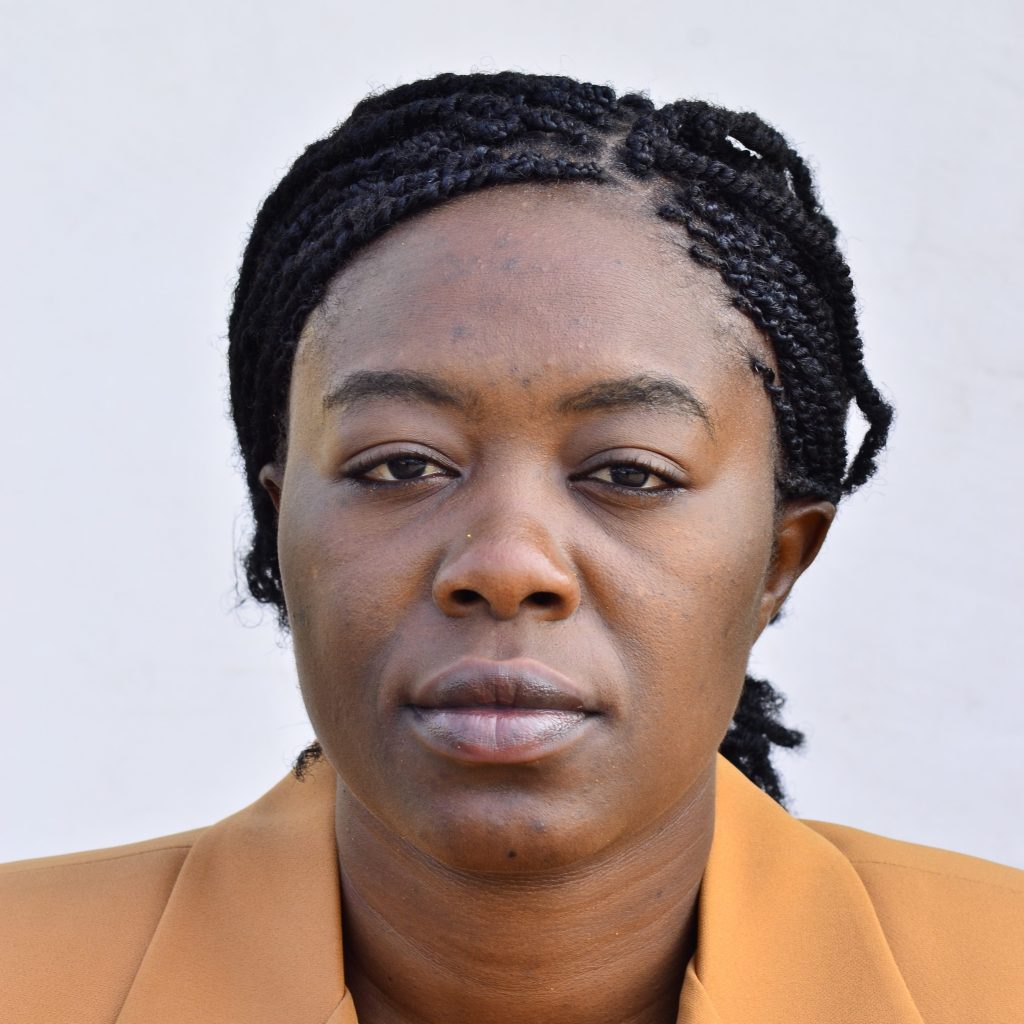
Asyncrite Ntoto is a general practitioner and social entrepreneur; an expert on sexual and reproductive health and rights, and a specialist in planning for the prevention of gender-based violence. With over eight years’ experience in the Democratic Republic of the Congo, she supports the design and implementation of programmes and public policies related to comprehensive sexuality education, community health and the protection of vulnerable populations. She contributes to national family life education programmes in partnership with the Ministry of Education (MINEDUC), as well as to the integration of sexual and reproductive health concepts into several vocational training programmes. She also participates in national strategic discussions with public institutions, NGOs and United Nations agencies such as UNESCO and UNFPA. Committed to social change and youth leadership, she develops high-impact initiatives serving communities and empowering young people and women.

Hannah Ogunkunle (MPH, PGCR) is a Doctoral Candidate and researcher at Glasgow Caledonian University, where her research examines cross-cultural understandings of mental health and well-being among adolescents from a bioecological perspective. She is a Lecturer in Health and Social Care at the UK Management College. Hannah has extensive experience working in communities and developing and delivering interventions in Nigeria and England. She is a member of the Young Professionals panel of the UNESCO Chair in Global Health and Education and the Network Coordinator of the Health, Action, Policy and Practice in Africa Network, where she champions research to address young people’s mental health needs.

Yetunde Adenike Oguntokun is Principal Partner at Behaviour Modification Media. She holds a Master’s degree in Psychology, with specialised training in Clinical Psychology, and has further training in Health Promotion through various courses and workshops. She is a creative health communicator who integrates her background in behavioural health with storytelling to translate complex health concepts into clear, engaging, and relatable messages. She has led and facilitated several health education and edutainment initiatives, including mental health seminars, adolescent substance abuse prevention programmes, teacher capacity-building webinars, road safety radio drama series, multi-platform health edutainment productions, and a health promotion tele-magazine series on YouTube. Her work focuses on using innovative, story-driven approaches to strengthen health awareness, support behaviour change, and enhance community engagement in public health.
My name is Dr Mansoury Ouassim, and I am a Senior Lecturer in Community Medicine (public health, preventive medicine and hygiene) at the Faculty of Medicine and Pharmacy in Agadir. I previously served as Head of the National Parasitic Diseases Programme at the Regional Directorate of Health and Social Protection in Marrakesh. Having trained in health promotion at the University of Parakou, my work focuses on community health, qualitative research and the cross-cultural validation of health measurement tools. My particular interests lie in prevention, health promotion and the strengthening of community-based approaches.
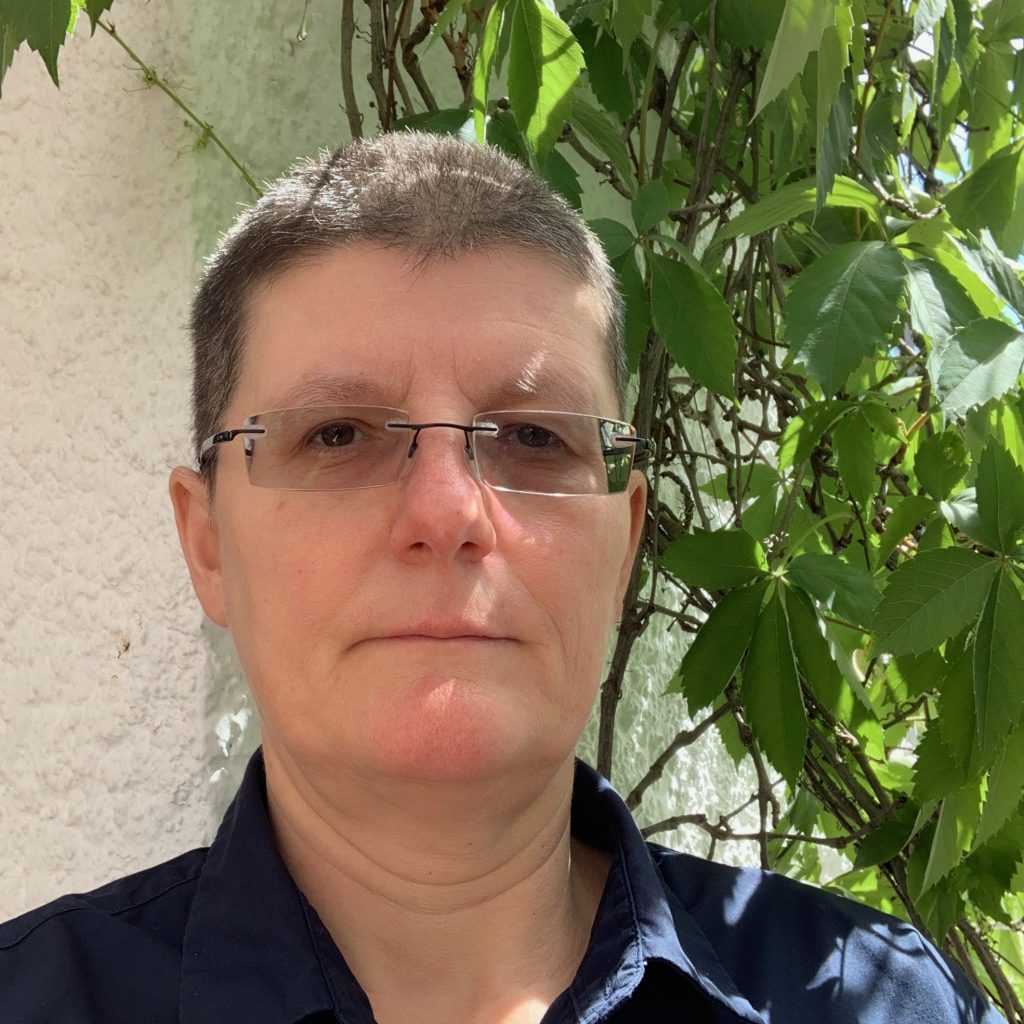
Amets Suess Schwend, PhD in Social Anthropology, MA Arts Therapies and BA/MA Sociology. They work as professor in research, teaching and consultancy at the Andalusian School of Public Health, Granada, Spain, and collaborate as PhD supervisor at the University of Granada. Their recent publications focus on intersex and trans studies, human rights, depathologization and research epistemologies, methodologies, and ethics.

Gildas Vieira, who holds a PhD in Public Health, is the Executive Director of FRAPS (Federation of Health Promotion Stakeholders). He is also President of the Kama Afrique Vision think tank and of the ‘La France autrement’ movement. He served as Deputy Mayor for Community Life and Participatory Democracy, and spent 12 years as a municipal and community councillor for the city of Blois. As a teacher and trainer, his research focuses on interculturality and community health, leading to the publication of his eighth book, entitled ‘Community Health and Interculturality’. A committed advocate, he believes that health promotion is a key factor in reducing social inequalities in health, which is why he actively contributes, through political and professional advocacy, to empowering people to take action on health issues.”