

Information en français – Información en español – Information in Persian
This page features the detailed programme of the fifth edition of the Global Community Health Annual workshop. For more information regarding the format of the workshop, registration, language etc. please visit the webpage “Global Community Health Annual Workshop”.
Introduction
The fifth edition of the Global Community Health Annual Workshop took place from 10 till 12 June 2025.
The main theme of this year’s workshop was‘Building healthy, fair and climate-smart communities: addressing commercial determinants of health’. During the workshop the focus was on the impact of the commercial determinants of health on community health and how public health actions can respond to them. Different initiatives with a special focus on participatory methods were explored looking at conflict of interests and possible co-benefits of private sector action for better health on the community level. This will also be the capacity building focus for the participants
The Global Community Health Annual workshop provides a space where community health and health promotion practitioners and policy makers can improve their skills and where researchers can gain in capacities to conduct community-based participatory research.
Organisers are the UNESCO Chair Global Health & Education, EHESP School of Public Health, International Union for Health Promotion and Education (IUHPE), Réseau Francophone International Pour la Promotion de la Sante (RÉFIPS), European Public Health Association (EUPHA), University of Clermont Auvergne و University of Huddersfield.
Participants completed an individual assignment to put into practice what they had learnt during the workshop.
Go directly to:
10 June 2025 : Day 1
Welcome – opening words
MODERATOR
Goof Buijs is the manager of UNESCO Chair / WHO Collaborating Centre Global Health & Education. From 2019 he is director of Global Health & Education Consultancy. His field of expertise is bringing health and education together. He is an experienced networker, expert in creating and leading international projects focused on prevention and youth, innovator, trainer and facilitator of events and conferences. He supports cooperation among people, focusing on everyone’s talents and uniqueness.

DISCUSSANT
Nicola Gray is the co-chair holder of the UNESCO Chair ‘Global Health & Education’. She is a Reader in Medicines and Health at the University of Huddersfield, UK. Registered as a pharmacist in 1991, she has worked in hospital, community and academic practice. She is a Trustee of the UK Association for Young People’s Health and Vice-President for Europe of the International Association for Adolescent Health. She has published a number of papers and opinion pieces regarding young people’s health, health literacy, the safe reopening of schools during the COVID-19 pandemic, and the challenges for children and young people living with non-communicable diseases (NCDs).
Keynote the new technological order – the re-shaping of health and its determinants
Prof. Ilona Kickbusch is a leading global health expert. She has contributed to many innovations, policies and educational initiatives during her distinguished career. She has received many prizes, honorary degrees and recognitions. She was awarded the Cross of the Order of Merit of the Federal Republic of Germany (Bundesverdienstkreuz) and the WHO Medal for contributions to global health. She is honorary professor at the Charité, Berlin. She continues to advise the WHO and is a member of the Global Preparedness Monitoring Board. She served as a member of the path-breaking WHO Council on the Economic of Health for All. She was key instigator of the Ottawa Charter for Health Promotion, WHOs Healthy Cities Network, WHO’s Health Behavior and School Children Survey, health literacy and Health in All Policies. She has always been committed to women’s health and rights and initiated the @wgh300 list of women leaders in global health. She is the founder and Chair of the Global Health Centre at the Graduate Institute of International and Development Studies in Geneva and was the director of the Global Health Division at Yale University School of Public Health. She was co-chair of the Lancet FT Commission on “Governing health futures 2030: growing up in a digital world” and is now working on following through on its recommendations, especially addressing the digital determinants of health.
خلاصه: New virtual worlds, digital tools and AI are reshaping how we live our everyday lives, how medicine is practiced, how decisions are taken, how politics are shaped and how economies compete. A recent field of study are the digital determinants of health and their interface with other determinants – the social determinants can be reinforced by the digital divide and the commercial determinants drive platforms and algorithms that impact on our health. The extensive extraction of data has led to a large market for data commodification, these data are sold for profit, not shared to ensure public goods. Regulation is even slower and more complex than in relation to other commercial determinants. The data capitalists have become not only important economic drivers they are now also geopolitical actors. New policies are required, and new literacies are essential.
From community health to healing: participatory approaches for reducing violence & trauma

Dr. Jason Corburn is Professor in the School of Public Health and Department of City and Regional Planning at the University of California, Berkeley. He is the Director of Berkeley’s Center for Global Healthy Cites. He is the author of five award winning books, including Cities for Life (Island Press: 2021), Slum Health (UC Press, 2016), Healthy City Planning (Routledge, 2013), Toward the Healthy City (MIT Press, 2009) & Street Science (MIT Press, 2005). His latest book, with DeVone Boggan, is called Advancing Peace: Ending Urban Gun Violence Through the Power of Redemptive Love, will be released by MIT Press in 2025. Prof. Corburn is a global leader in research and action linking urban and environmental planning, community health equity, citizen science and public safety. Among other awards, Prof. Corburn was named one of the world’s “Key 40 Thinkers on Cities” by Routledge in 2017. Read more at www.jasoncorburn.com.
خلاصه: What does it mean for community health practitioners to move from a focus on health to healing? In this presentation, Prof. Jason Corburn will describe his action-research with community members to stop an urban gun violence epidemic and help restore supportive community connections and built environments. Gun violence ravages communities and destroys opportunities to be healthy; people live in fear, they do not use public space, children have a hard time learning and sleep, among other things, is disrupted. Gun violence is often accompanied by other forms of community structural violence, such as lack of basic services, affordable housing, safe streets, green spaces and economic opportunities. In Richmond, California, local government creating the first office of peacemaking in the US and then adopted the country’s first municipal Health in All Policies Ordinance, or law. Along with NGOs, local government, and community members, these initiatives have been working to end gun violence in this city as well as promote healing with, not on or for, communities. Participants in this session will learn how Richmond and other communities are: (a) use a trauma-informed approach to community development, (b) focusing on healing-centered practices to address intergenerational trauma, (c) measuring healing within the community through participatory methods, and (d) enrolling the private sector to support healing-centered initiatives.
11 June 2025: Day 2
Welcome
DISCUSSANT
Didier Jourdan is full Professor and the Chair Holder of the UNESCO Chair “Global Health and Education” and Head of the WHO Collaborating Centre for “Research in Education and Health” which are focused on knowledge production and sharing from an intersectoral perspective. He is the former Director of the Prevention and Health Promotion Division of the French National Public Health Agency. He has formally held positions as Director of the Graduate School of Teaching and Education (ESPE), Head of the Centre for lifelong learning and Vice-President of Blaise Pascal University. In addition, he held the position as President of the “Prevention, Education and Health Promotion” Commission of the French High Council for Public Health and President of the Network “Universities for training in health education”.
Children and adolescents facing the commercial determinants of health: Building participatory strategies for inclusive policies
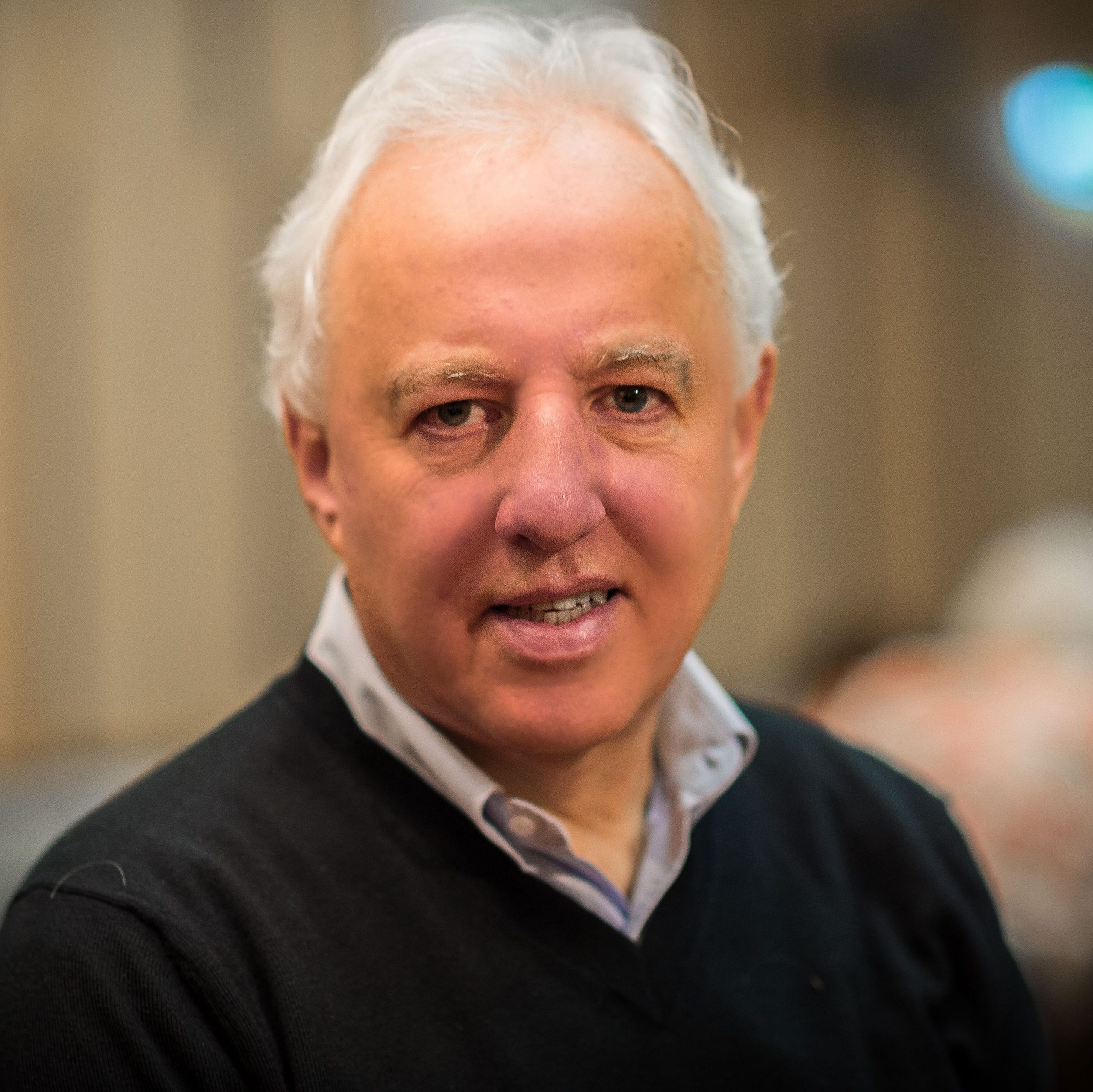
Raul Mercer is a pediatrician with a master’s degree in epidemiology from the University of Madison, WI, US. He was coordinator of the Maternal and Child Program of the Ministry of Health of the Province of Buenos Aires and at the national level. He currently coordinates the Program of Social Sciences and Health at FLACSO (Latin American Faculty of Social Sciences). He was a member of the Lancet-WHO-UNICEF Commission for the report ‘A future for the world’s children?’. Member of the CAP-2030 (Children in All Policies) initiative (www.cap-2030.org). He participates in the ALAPE Social Pediatrics Committee and the International Society of Social Pediatrics (ISSOP) (www.issop.org). At FLACSO he develops activities related to health promotion, child rights and health, gender and childhood, life course approach, early childhood development, and comprehensive sexual education. Recently, we addressed the commercial determinants of health and the consequences of harmful marketing products for the health of children and adolescents.

Mariela Alderete is a physician, graduated from the National University of Córdoba, Argentina. She completed her training as a Family Physician at the Italian Hospital in Buenos Aires, Argentina. She did a Master’s Program in Health and Social Security Systems at Universidad Isalud, Buenos Aires (thesis pending). She is a member of the Social Sciences and Health Program at FLACSO, Argentina. Leader in the development of research and education projects for the promotion of public health policies at the National and Regional levels. Relevant background: Regional Project for the promotion of public policies for tobacco control in Latin America. M. Bloomberg Foundation, NY USA and CTFK (Campaign for Tobacco-Free Kids) Washington DC USA; Coordinator of the pilot study for the monitoring of the International Code of Marketing of Breast-milk Substitutes with the support of PAHO, UNICEF and SAP. Member of the network for the formulation of a law that regulates the marketing of BMS in Argentina.
خلاصه: Commercial determinants of health, such as the promotion of harmful products and the influence of corporations on health policies, have a significant impact on children and adolescents. However, these groups are often excluded from decision-making spaces, even though their rights include participation in matters that affect their well-being. This presentation will address the importance of including children and adolescents in the formulation of health policies, highlighting participatory methodologies that can strengthen their influence in the creation of healthy environments. Experiences of child and adolescent participation in public health will be presented and strategies will be discussed to ensure that their voices are heard and considered in policy design.
The social and solidarity economy : an essential component of health communities
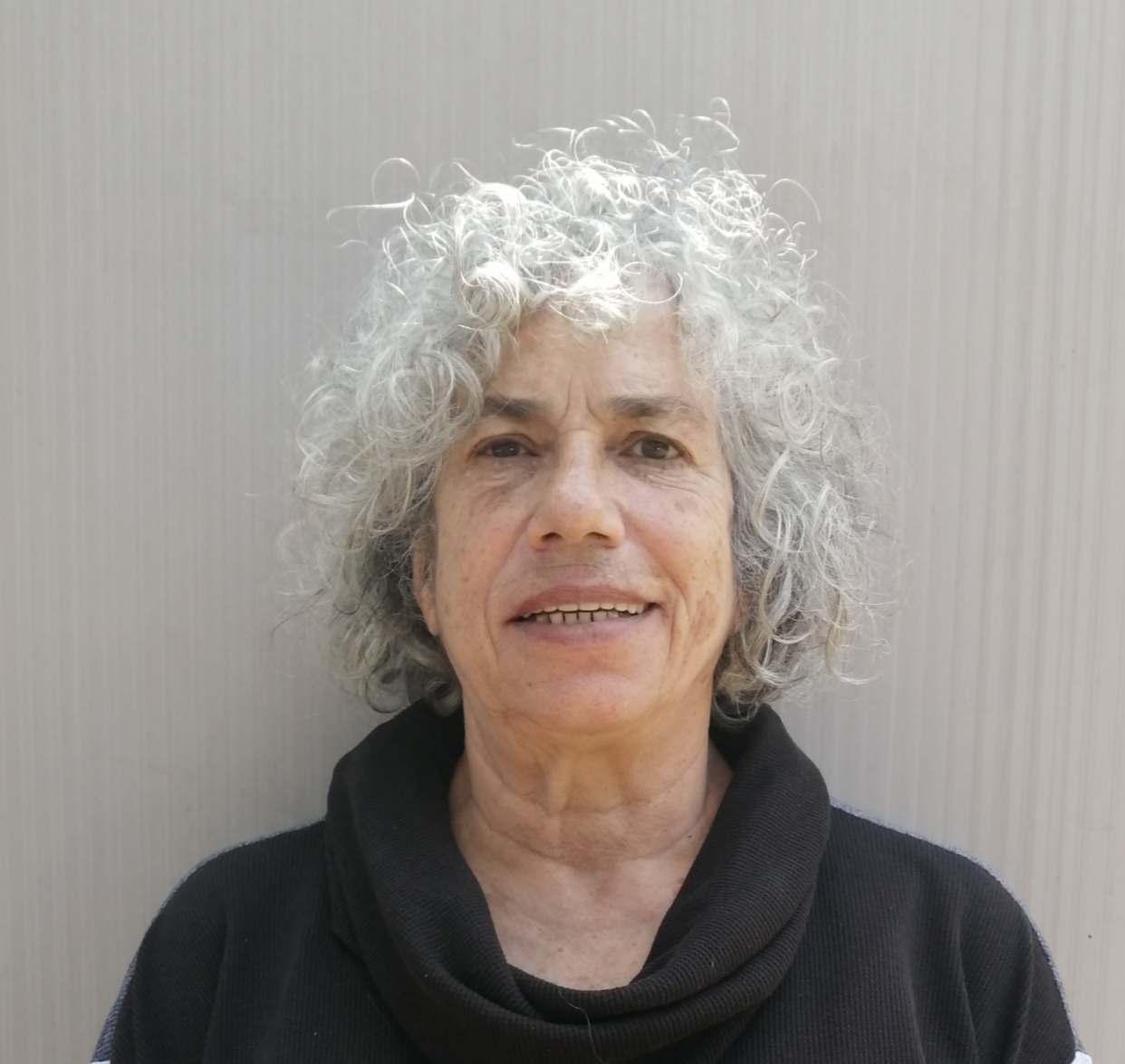
Nancy Neamtan has been on the front lines in the emergence of community economic development, social finance and the social economy movement in Quebec for over three decades. From 1996 to 2015, she was CEO of the Chantier de l’économie sociale an organisation that brings together networks of non-profit and cooperative enterprises, local development organisations, social movements and First Nation’s. As CEO of the Chantier from 1996 to 2015, Ms. Neamtan contributed to the creation of social finance tools, university-community research alliances, international networks and a knowledge transfer center in social innovation. She has negotiated innovative public policy with municipal, provincial and federal governments. Ms. Neamtan is a member of the Order of Canada, l’Ordre du Québec and l’Ordre de Montréal and has received honorary doctorates from Concordia University and the Université de Québec dans Outaouais.
خلاصه: In 2024, the United Nations General Assembly adopted a resolution emphasizing the importance of the social and solidarity economy (SSE) in achieving all 17 sustainable development goals. This movement for a more democratic and inclusive economy has taken root in many countries, as local communities mobilise to change the very logic on which enterprise and territorial development are based. Community benefit replaces shareholder profits through collective action and ownership. New development strategies, innovative financial tools and new public policy, including framework legislation, have been implemented in countries as diverse as Senegal, France, South Korea, Morocco, Canada and Brazil. The SSE produces concrete results directly, through job creation and new products and services, as well as indirectly through positive impacts on health and wellbeing. Examples from different continents will be presented to illustrate the positive impacts of the SSE and the challenges for its growth.
Addressing Commercial Determinants of Health in Small Island Developing States – Warning labels and Sugar taxes in the Caribbean

Professor T. Alafia Samuels, former Director of the George Alleyne Chronic Disease Research Centre, University of the West Indies (UWI), Barbados is now currently employed by the Ministry of Health and Wellness Jamaica as the NCD lead on their Health System Strengthening Programme. She is a medical doctor, (UWI) with MPH and a PhD in Chronic Disease Epidemiology, from Johns Hopkins University. She is a Member WHO STAG on NCDs, Member WHO High Level Policy Expert Group on NCDs in SIDS, Co-Chair NCD Alliance Supporters Group representing World Obesity, Technical Advisor, Healthy Caribbean Coalition and a Lancet One Health Commissioner. Her research interests include policy, practice and evaluation of NCD prevention and control programmes and translating evidence into practice. She has more than 50 publications in peer reviewed journals. A 2016 Lancet profile dubbed her “the fast food watchdog of the Caribbean”.
خلاصه: This presentation highlights the peculiarities and vulnerabilities of small island developing states, focusing on the commercial determinants of food sovereignty and food security. Imports, mostly of ultra processed packaged foods, comprise 60 – 80% and higher of foods consumed in most SIDS. This unhealthy eating and resulting obesity, are driving the high rates premature NCD mortality in SIDS. In response, the Caribbean has collectively addressed NCD policy, including the commercial determinants of health, two examples being front of package warning labels and taxes on sugar sweetened beverages. A regional policy to recommend black octagonal front of package warning labels in the Caribbean was proposed by the Caribbean Community (CARICOM) Caribbean Regional Organisation for Standards and Quality (CROSQ). However this standard was not approved. Barbados implemented a 10% tax on sugary drinks in 2015, increasing to 20% in 2022. The earlier 10% tax resulted in a 4% decrease in the sales of SSBs and an 8% increase in the sales of water. The 20% tax is currently being evaluated, but was impacted by COVID disruptions.
Learning Objective: To better understand factors influencing the commercial determinants of food policy in small island developing states
12 June 2025: Day 3
Welcome

DISCUSSANT
Eric Breton, is the President of the EUPHA Health Promotion Section. He is professor of health promotion at the EHESP School of public health. Before settling in France, he acquired a broad international experience in research in Canada, Australia and the United Arab Emirates. His main research interests focus on policy advocacy strategies in the prevention of NCDs, evaluation of complex community-based interventions, and on local capacity building strategies for health and equity. He is an affiliated researcher of the UNESCO Chair Global Health & Education, and sits on different national and regional expert groups. In 2020, he published with three other editors the second edition of the first health promotion handbook in French, a publication that has mobilized contributions from 40 authors from 6 countries.
Mobilizing Community Stakeholders for E-Cigarette Prevention via Participatory Policy Tools.
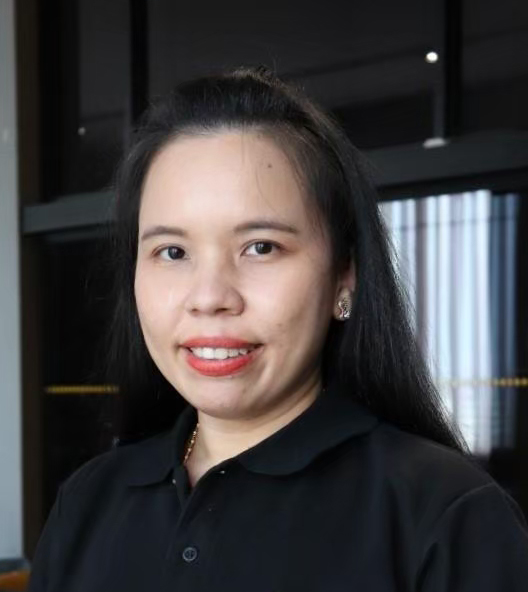
Khanitta Saeiew has 8 years’ experience in a secretariat team of Health Impact Assessment (HIA) at NHCO which focuses on creating public participation via communication tools in HIA process and public policies such as a free trade agreement (FTA) and its access to medicine. And 7 years’ experience in a global collaboration focusing on social participation, Social Determinants of Health and its contribution to health system in Thailand such as UHC. Now, she is responsible for coordination for NHC O’s networks in South East Asia Countries such as co-organizing training, webinars and media production for international networks. Her interest topic is global health related social participation and governance and communication among various stakeholders which related to her education on mass communication. To know about her contact: khanitta@nationalhealth.or.th
خلاصه: The National Health Commission Office (NHCO) of Thailand promotes participatory policy tools as a cornerstone of improving community health and health system. Through tools such as Health System Charters and Health Assemblies, NHCO empowers local stakeholders—including schools, families, and local governments—to co-develop responsive policies. A key example is the prevention of e-cigarette use among youth, a growing public health concern. Although e-cigarettes are illegal in Thailand, increasing usage in schools has prompted the development of School Health System Charters and a National Specific Health Assembly on this issue. NHCO’s participatory policy platforms ensure multisectoral engagement—linking education, public health, and civil society—in both policy formulation and implementation. This approach reflects Thailand’s broader health governance model, which emphasizes community-based health promotion and participation, early prevention, and the right to health. By embedding participatory tools into national and local health systems, NHCO strengthens efforts not only in E-Cigarette o control but also in building long-term, inclusive, and community-driven health resilience.
Community health activism challenged by traditional health systems: Implementation mechanisms and challenges
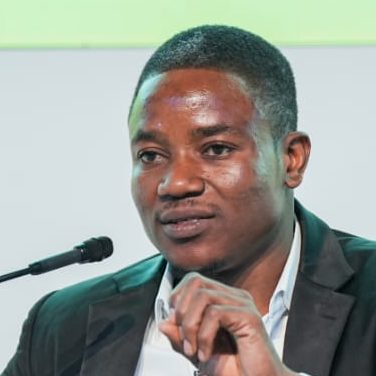
Tanguy Bognon is a Senior Public Health specialist and PhD candidate with more than 17 years extensive expertise in Health promotion, health program management and a large experience in health system strengthening. He has a strong expertise in coordinating scientific meetings, training, research department coordinating, international conference reporting for more than 15 years. He participated in more than 15 international conferences as speaker. He is passionate about social determinants of health, health inequalities and climate change. He has completed more than 300 certificates in diverse areas including, community health, health in all policies, cluster coordination, advocacy, health impact assessment, emergency preparedness/response, infodemic management as well as research ethics. He is bilingual (French and English) and has multifaceted skills for a significant impact on any organization. Activist engaged in public policy analysis, social inequalities assessment, community and fight against social exclusion for more than 20 years for impactful and sustainable health interventions.
خلاصه: Community health activism is a powerful lever for empowering local communities. It is based on the direct involvement of local people in defending their right to health and co-constructing responses tailored to their needs. This type of activism mobilises community players (communities, associations, local leaders) who become agents of change, making it easier for people to take control of their own health. Implementation mechanisms include training for local players, participatory advocacy and the structuring of community initiatives around multi-sector partnerships. However, a number of challenges remain: precarious funding, volunteer fatigue, and weak links between community players and formal healthcare systems. To strengthen its impact, it is essential to formalise the roles of activists, guarantee sustainable technical and financial support, and integrate community approaches into public policies.
The hidden health crisis: how fossil fuels threaten human health and what we can do about it
Giulia Gasparri is a young professional with international policy and advocacy experience spanning the global health, climate change and environment sectors. She currently works as a Consultant at the Cambridge Economics Policy Associates (CEPA), a global, economic, financial and public policy consulting firm based in London, advising private and public-sector clients in the field of global health and energy. Previously, Giulia worked for five years at the Partnership for Maternal, Newborn and Child Health (PMNCH), the world’s largest alliance for women’s, children’s and adolescents’ health, hosted by the World Health Organization. In particular, she led the climate change and women’s, children’s and adolescents’ health portfolio at PMNCH and has engaged in four UNFCCC Conferences of the Parties (COPs). Giulia is an active member of youth climate networks. She is a founding committee member of the Youth Climate and Health Network hosted by the Global Climate and Health Alliance, and is engaged at national level through the Local Climate Change Conference of Youth (LCOY) Italy. Giulia holds an MPhil in Environmental Policy from the University of Cambridge and a BA in International Relations and Sustainability from the University of Exeter.
خلاصه: Fossil fuels are one of the greatest threats to human health, fueling both the climate crisis and widespread air pollution. Climate-related disasters—including floods, hurricanes, and rising temperatures—endanger millions of lives, while air pollution from fossil fuel combustion is responsible for 7 million premature deaths globally each year. To meet the Paris Agreement target and protect public health, a complete phase-out of fossil fuels is essential. However, as of March 2024, the 114 largest oil and gas companies were collectively projected to exceed their share of emissions consistent with the Paris Agreement’s 1.5°C limit by 189% by 2040. To address this, civil society and youth activists are mobilizing worldwide to hold the fossil fuel industry accountable. This presentation will aim to:
- Highlight civil society, especially youth participatory actions around the world holding the industry accountable
- Disseminate evidence on the health impacts of fossil fuels
- Explore the co-benefits of phasing-out fossil fuels for human health
Voices from the field
Surabhi Dogra is a public health practitioner and development communications professional with experience of working in global, national and local public health initiatives. She has worked with children, adolescents, young people and women in rural and urban low-income communities in India. She is passionate about harnessing communications to address public health challenges and emerging threats affecting young people. She was a Youth Commissioner of the Second Lancet Commission on Adolescent Health and Wellbeing. Her areas of interest include adolescent, digital and environmental health.
خلاصه: NCD (Non-Communicable Disease) Price Tag. I created the NCD Price Tag to reflect the price adolescents and young people have to pay due to the cost of inaction on NCDs. This price tag can be used as a participatory tool to reflect on the NCD risks faced by you / your community’s / your country.
We all have an NCD Price Tag. Our price tags may have some things in common and may also have some differences. But no two price tags would look the same, even from the same country. Apart from risks, NCD price tags can also include some of the positive participatory actions taken at the community level.
Using the customisable Canva template, you can create an NCD Price Tag:
- To reflect the current state of NCDs in your community/country
- To share projections of state of NCDs in your community/country if participatory methods are not adopted for addressing CDoH
- To envision future ideal state of NCDs of our communities/ countries where healthy, fair and climate smart communities are being built
I would encourage workshop participants to join this activity, share on social media to call for action to address the NCD burden of your community/country.
Ms Denise Fatoumata Ndour is the Managing Director of the Sen’Finances Foundation, which is committed to financial inclusion in Senegal. She has over 30 years’ experience in social and solidarity finance, particularly in microfinance and support for small rural businesses. She holds masters degrees in applied mathematics and econometrics, a postgraduate diploma (DESS) in management information systems, and a FIPED certificate from Harvard University. The author of several publications, she co-authored ‘Experiences of Microfinance in Senegal’. She is a member of the Advisory Committee of the Global Social Economy Forum (GSEF), where she co-pilots the ‘Finance and SSE’ working group. Since 2022, she has been President of INAISE, the International Association of Investors in the Social Economy. She campaigns for an economy and finance that are ethical, inclusive and focused on people’s needs.
خلاصه: This interview with Ms Ndour invites us to reflect on the links between the social/solidarity-based economy and the community health sector, which share values of solidarity, sharing and equity. In Senegal, the social/solidarity-based economy is a key sector of the economy, with an entire ministry dedicated to it. Several examples of initiatives and structures helping to improve quality of life, living conditions and health are presented. Social and solidarity economy approaches can be used by community health actors to strengthen the capacities of local communities, particularly their financial capacities, and thus act on the determinants of health.
Ainhoa Ruiz Azarola. PhD in Health Sciences from the University of Seville. Degree in Philosophy and Arts and Master in Health Promotion and Community Health (University of Granada). She has been working at the Andalusian School of Public Health since 2003 on research, consultancy, teaching and international cooperation projects related to inequalities and health promotion, policy analysis and health access for migrants, health-promoting environments and urban health. She has coordinated the Red Isir (Migration and Health Network) since 2011. She teaches in the European Master in Public Health and Master in Health Promotion and Community Health. She is currently president of the Andalusian Society of Public Health (SASPAS-HIPATIA).
Jaime Jiménez Pernett (Industrial Engineer, Master in Applied Economics, PhD in Public Health) is a project technician, lecturer and researcher in the International Health Area of the Andalusian School of Public Health (EASP). His research focuses on citizen participation in deliberative processes, with emphasis on the inclusion of vulnerable groups in the formulation of health policies. He has also participated in the analysis of the health status of migrants and their interactions with health systems in the context of Andalusia, Europe, the Maghreb and Latin America. He has recently promoted online training activities to develop refugee/migrant-sensitive health services in Europe.
Olga Leralta BA in Political Sciences and Sociology, expert in Latin-American Studies, Migration Policies and Legislation, Intercultural Mediation and Health Promotion in Health Care, Education and Social contexts. Professional activity in research, consultancy and teaching at Andalusian School of Public Health (EASP) since 2007, with focus on access to health care for migrants and refugees, health promotion programs, health professionals training networks and training of trainer’s methodologies. Member of the EASP team elaborating training contents and participating in the design and development of both face to face and online courses for health professionals working with migrant and other vulnerable population.
خلاصه: The Red Isir (Migration and Health Network) team presents a summary of the current state and challenges of community health in Spain. Community health is promoted as a national strategy, with central government funding and execution delegated to regional governments, most of which have developed their own strategies. In some regions, implementation is still in progress, but there is notable intersectoral coordination and professional training. However, barriers such as staff shortages and limited experience in community engagement persist. Commercial determinants of health include the unequal availability and affordability of healthy foods in urban areas, the greater exposure of children from low-income families to unhealthy food advertising, and the lack of community tools to critically address pressures from industries promoting unhealthy products. Another key aspect is that, despite the existence of legal frameworks to promote citizen participation, there are ongoing challenges to ensure the effective inclusion and recognition of vulnerable groups, such as migrants, in decision-making processes. Community organizations have developed valuable participatory processes, often outside institutional channels. The team emphasizes the need for genuine participation and a focus on living conditions and environments to strengthen community health initiatives.
Reading suggestions
Tanguy Bognon
- Lippman, S. A., Pettifor, A. E., Dufour, M.-S. K., et al. (2022). A community mobilisation intervention to improve engagement in HIV testing, linkage to care, and retention in care in South Africa: a cluster-randomised controlled trial. The Lancet HIV, 9(9), e617–e626. https://doi.org/10.1016/S2352-3018(22)00192-8
- This study evaluates the effectiveness of a community mobilisation intervention in South Africa aimed at enhancing engagement in HIV testing and care. The findings provide insights into the impact of community-driven initiatives on health outcomes.
- Vermund, S. H. (2022). Community mobilisation to achieve HIV testing and care goals. The Lancet HIV, 9(9), e597–e598. https://doi.org/10.1016/S2352-3018(22)00218-1PMC+1PubMed+1
- This commentary discusses the role of community mobilisation in improving HIV testing and care engagement, highlighting the importance of addressing social obstacles to achieve better health outcomes.
- The Lancet. (2013). Activism for health. The Lancet, 382(9904), 1460. https://doi.org/10.1016/S0140-6736(13)61428-2
- This editorial discusses the role of activism in addressing health inequalities. It emphasizes the importance of empowering communities to make informed health choices and highlights the challenges health professionals face in intervening in unequal power dynamics.
- Lippman, S. A., Neilands, T. B., MacPhail, C., et al. (2016). Community Mobilization for HIV Testing Uptake: Results From a Community Randomized Trial of a Theory-Based Intervention in Rural South Africa. Journal of Acquired Immune Deficiency Syndromes, 74(Suppl 1), S44–S51. https://doi.org/10.1097/QAI.0000000000001207PMC
- This article presents results from a community-randomized trial assessing a theory-based intervention aimed at increasing HIV testing uptake through community mobilisation in rural South Africa.
Jason Corburn
- www.healthycities.berkeley.edu
- www.jasoncorburn.com
- Corburn, J. (2021). Cities for Life: How Communities Can Recover from Trauma and Rebuild for Health. Island Press.
- Corburn, J., & Riley, L. (2016). Slum health: From the Cell to the Street. Univ of California Press.
- Corburn, J. (2013). Healthy city planning: From Neighbourhood to National Health Equity.
- Corburn, J. (2009). Toward the healthy city. https://doi.org/10.7551/mitpress/7583.001.0001
- Corburn, J. (2005). Street science. https://doi.org/10.7551/mitpress/6494.001.0001
- Corburn, J., & Boggan, D. (2025). Advancing peace: Ending Urban Gun Violence through the Power of Redemptive Love. MIT Press.
- Jason Corburn, Joseph Griffin, Brandon Harris & David Padilla (2023): Co-creating places for urban health & healing: the case of Pogo Park, Cities & Health, DOI: 10.1080/23748834.2023.2230620
- Corburn, J., Boggan, D., Muttaqi, K., Vaughn, S., Houston, J., Thibodeaux, J., & Muhammad, B. (2021). A healing-centered approach to preventing urban gun violence: The Advance Peace Model. Humanities and Social Sciences Communications, 8(1). https://doi.org/10.1057/s41599-021-00820-y
Surabhi Dogra
Steps/Instructions to create your own NCD price tag:
- Follow this link: https://bit.ly/ncdpricetag
If you see bitly window, click proceed or you will be directed to Canva in 3 seconds - When you see the Canva window, click ‘Use template for a new design’ button
- Canva will ask you to sign-in, you can create a free account with your email ID. Feel free to use your preferred method (from the options available under > Continue another Way)
- Page 1 displays the instructions for how you can customise the template and create your own NCD price tag. (These steps are also listed below)
- Add your Country’s NCD priority
- Add your Country
- Add names of related NCDs
- Page 2 contains the customisable template, edit this according to the instructions shared in the previous page and above. Sharing a sample NCD Price Tag below to reflect my community’s NCD risks.
- Once, you have updated the text – Congrats you have your own NCD Price Tag! In true participatory spirit, be sure to post and share on social media. Don’t forget to use hashtags: #NCDPriceTag #CommunityHealth and tag Surabhi Dogra, Nicola Gray و UNESCO Chair Global Health & Education. Along with the image, you can add accompanying text to reflect on NCD risks faced by your community.
Giulia Gaspari
- Romanello, M., Walawender, M., Hsu, S., Moskeland, A., Palmeiro-Silva, Y., Scamman, D., Ali, Z., Ameli, N., Angelova, D., Ayeb-Karlsson, S., Basart, S., Beagley, J., Beggs, P. J., Blanco-Villafuerte, L., Cai, W., Callaghan, M., Campbell-Lendrum, D., Chambers, J. D., Chicmana-Zapata, V., . . . Costello, A. (2024). The 2024 report of the Lancet Countdown on health and climate change: facing record-breaking threats from delayed action. The Lancet, 404(10465), 1847–1896. https://doi.org/10.1016/s0140-6736(24)01822-1
- Giulia Gasparri, Omnia El Omrani, Rachael Hinton, David Imbago, Heeta Lakhani, Anshu Mohan, William Yeung, and Flavia Bustreo (2021). Children, adolescents, and youth Pioneering a Human Rights-Based Approach to climate change. Health and Human Rights Journal. https://www.hhrjournal.org/2021/12/08/children-adolescents-and-youth-pioneering-a-human-rights-based-approach-to-climate-change/
- Practical Guidance Resource to Operationalize the Global Consensus Statement on Meaningful Adolescent and Youth Engagement (MAYE). Geneva: World Health Organization; Licence: CC BY-NC-SA 3.0 IGO.
- Safe, climate-resilient and environmentally sustainable health care facilities: an overview. Geneva: World Health Organization; 2024. https://doi.org/10.2471/B09119.
- Target setting for low carbon sustainable health systems. Geneva: World Health Organization; 2024.
Didier Jourdan
- A quand les bonnes promos pour les produits bons ? – France Assos Santé. (2025, May 22). France Assos Santé. https://www.france-assos-sante.org/bonnes-promos-pour-produits-bons/
Ilona Kickbusch
- Aferdita Bytyqi (2025, May 23). WHO/Europe and DTH-Lab urge coordinated action to protect youth mental health in new policy brief – DTH-Lab. https://dthlab.org/who-europe-and-dth-lab-urge-coordinated-action-to-protect-youth-mental-health-in-new-policy-brief/
- OECD (2018), “Children and young people’s mental health in the digital age: Shaping the future”, OECD Publishing, Paris, https://doi.org/10.1787/488b25e0-en.
- DTH-Lab. (2025a, April 8). Health Promotion and the Digital Determinants of Health – DTH-Lab. https://dthlab.org/health-promotion-and-the-digital-determinants-of-health/
- Bremmer, I. (2023, July 10). The next global superpower isn’t who you think. Foreign Policy. https://foreignpolicy.com/2023/06/17/china-russia-us-multipolar-world-technology/
Nancy Neamtan
- UNTFSSE Policy brief (2025). Financing for development: Unlocking the potential of the social and solidarity economy
- Chantier de l’économie sociale (2021). Guide d’introduction à l’économie sociale
Examples :
- OECD (2024), “Unlocking the potential of the social and solidarity economy for people, places and firms in Latin America and the Caribbean”, OECD Local Economic and Employment Development (LEED) Papers, No. 2024/12, OECD Publishing, Paris, https://doi.org/10.1787/11fbb636-en.
- Niang, M. B. (2022). The role of the social and solidarity economy in the extension of health insurance in Senegal. Revue De Droit Comparé Du Travail Et De La Sécurité Sociale, 4, 110–127. https://doi.org/10.4000/rdctss.4697
- Mendell, Marguerite et N. Neamtan. « The Social Economy in Québec: Towards a New Political Economy », dans Mook, L., J. Quarter et S. Ryan (dir.), Why the Social Economy Matters, Toronto, University of Toronto Press, 2010, p. 32-58.
Alafia Samuels
- Improving household nutrition security and public health in the CARICOM | Pan American Journal of Public Health. (2023, July 3). https://journal.paho.org/en/special-issues/improving-household-nutrition-security-and-public-health-caricom
- Thomas S, Daube M, van Schalkwyk M, Ayo-Yusuf O, Freeman B, Samuels TA, Villar E. Acting on the Commercial Determinants of Health. Health Promot Int. 2024 Dec 1;39(6):daae183. doi: 10.1093/heapro/daae183. PMID: 39569487; PMCID: PMC11579602.
- David AM, Tukuitonga C, Alleyne G, Samuels TA, Sargent J, Hogendorf M, Mikkelsen B. Small island developing states: standing together on NCDs and mental health. Lancet. 2024 Aug 10;404(10452):519. doi: 10.1016/S0140-6736(24)01441-7. PMID: 39127467.
- Jones W, Murphy MM, Henry F, Dunn L, Samuels TA. Improving household nutrition security and public health in the CARICOM, 2018-2022. Rev Panam Salud Publica. 2022 Nov 15;46:e88.
- Guariguata L, Rouwette EA, Murphy MM, Saint Ville A, Dunn LL, Hickey GM, Jones W, Samuels TA, Unwin N. Using Group Model Building to Describe the System Driving Unhealthy Eating and Identify Intervention Points: A Participatory, Stakeholder Engagement Approach in the Caribbean. Nutrients. 2020 Jan 31;12(2):384. https://doi.org/10.3390/nu12020384
- Sobers N, Samuels TA. Diet and childhood obesity in small island developing states. Lancet Child Adolesc Health. 2019 Jul;3(7):445-447. DOI: 10.1016/S2352-4642(19)30149-X
- Alvarado M, Unwin N, Sharp SJ, Hambleton I, Murphy MM, Samuels TA, Suhrcke M, Adams J. Assessing the impact of the Barbados sugar-sweetened beverage tax on beverage sales: an observational study. Int J Behav Nutr Phys Act. 2019 Jan 30;16(1):13. https://doi.org/10.1186/s12966-019-0776-7
- Alvarado M, Kostova D, Suhrcke M, Hambleton I, Hassell T, Samuels TA, Adams J, Unwin N; Barbados SSB Tax Evaluation Group. Trends in beverage prices following the introduction of a tax on sugar-sweetened beverages in Barbados. Prev Med. 2017 Jul 15. pii: S0091-7435(17)30260-8. DOI: 10.1016/j.ypmed.2017.07.013. [Epub ahead of print] PubMed PMID: 28716655.
- Revista Panamericana de Salud Pública/Pan American Journal of Public Health Dedicated Supplement on Evaluation of the Port of Spain Declaration. https://www.paho.org/journal/en/special-issues/ten-years-port-spain-declaration-ncds
- Madhuvanti M. Murphy, Nigel Unwin, T. Alafia Samuels, Trevor A. Hassell, Lisa Bishop, and Cornelia Guell. Evaluating policy responses to noncommunicable diseases in seven Caribbean countries: challenges to addressing unhealthy diets and physical inactivity. Original research l PDF: https://doi.org/10.26633/RPSP.2018.174 l Published 17 December 2018
- Nicole Foster, Anne Marie Thow, Nigel Unwin, Miriam Alvarado, and T. Alafia Samuels. Regulatory measures to fight obesity in Small Island Developing States of the Caribbean and Pacific 2015-2017. Special report l PDF: https://doi.org/10.26633/RPSP.2018.191 | Published 17 December 2018
Facilitators
Lul Admasachew is an affiliate researcher of the UNESCO Chair on Global Health and Education as of late 2024. Her submitted work has focused on mental health in Ethiopia. She is also dedicated to academic freedom and upholding diverse ways of scholarly communication including at Journal of Comparative and International Higher Education where she is a regional editor for Sub-Saharan Africa. Lul was a UK based academic for a decade before resorting to practice in 2012. She has also contributed to the consultation of UNESCO Global Education Monitoring Report of 2024, which has focused on leadership.
Zahra Aghaei, born in Tehran, graduated with a bachelor’s degree in laboratory science and a master’s degree in biochemistry from Shahid Beheshti University of Medical Sciences. She served as a research expert in the university’s international branch for 10 years. For the past 6 years, she has worked as an international relations development specialist under the vice-president of international affairs at the university. Four years ago, she took on the responsibility of establishing the university’s grant room.

Tomiwa Akinsanya is a global digital health consultant with nearly a decade of experience advancing youth and maternal health through digital innovation and behavioral science. She holds a B.Sc. in Physiology and an MPH in Child and Adolescent Health. Tomiwa specializes in research, project management, strategic communication, and stakeholder engagement to drive equitable, youth-centered health systems. She also serves as an officer in the Emerging Professionals Network of the International Association for Adolescent Health (IAAH), supporting leadership and capacity-building initiatives. Guided by empathy, innovation, and integrity, she is passionate about inclusive digital health systems that empower young people and communities globally.
Yasmine Asaad is a primary care physician and teaching assistant in public health interested in health equity. She is a Cochrane US research trainee. She has experience leading multiple community engagement campaigns, reaching more than 200 individuals directly.
My name is Brahim Assoubay and I am 39 years old. I am a Moroccan national and a graduate of the National School of Public Health in Rabat, specialising in Health Programme Management. I hold a Master’s degree in Social Work and Development from Ibn Zohr University in Agadir.

Marie Auz is a professional involved in health promotion and social development. She works to improve the health of vulnerable populations and reduce social inequalities. She favours participatory and inclusive approaches with a variety of audiences. Her work focuses on health education, equity and social justice. She has contributed to a number of local and cooperative projects strengthening links between educational, social, health and public health players. Today, she is putting her skills to good use in a number of areas, including supporting the development of a migrant women’s health project in Central America.

Sarah Chaput – As director of the Americas section of the « Réseau francophone international pour la promotion de la santé (RÉFIPS) » (International Francophone Network for Health Promotion), Sarah Chaput works with many stakeholders on capacity building health promotion projects. Sarah has completed a bachelor’s degree in Nutrition and a master’s degree in Public Health from the “Université de Montréal”, and has worked as a scientific advisor for the “Institut national de santé publique du Québec”. While she initially worked on food access issues, her scope of practice has broadened in the last years to include more comprehensive approaches to health promotion. Sarah values the sharing of knowledge and expertise in health promotion in a perspective of sustainable health and win-win relationships between stakeholders.
Dr Togbanan Cherif is a committed public health professional with a solid medical background (Gamal Abdel Nasser University, Conakry, Guinea) and a professional Master’s degree in Population and Health from the Institut Supérieur des Sciences de la Population at the University of Ouagadougou (Burkina Faso). With over a decade of experience, he works to improve community health in Chad through approaches centered on human rights, equity, sustainability and community participation. At the NGO BASE, he is currently coordinating the programme financed by the Global Fund to combat HIV, tuberculosis and malaria, with a particular focus on integrating community-based approaches into public health policies. He has also led the COVID-19 response project (C19RM), ensuring that the social and commercial determinants of health are taken into account in interventions. As facilitator of a community health hub at the 2025 Global Workshop, Dr CHERIF brings a vision rooted in local and regional realities, while advocating for fairer, more resilient health systems that are free from the harmful influence of commercial interests that run counter to people’s health. Its commitment is guided by the conviction that communities must be at the centre of all health policies, and that sustainable transformation depends on their empowerment.

Joanna Collet. I am an interdisciplinary doctoral student in health and society at UQAM. My research focuses on innovative learning spaces that promote healthy lifestyles among primary school pupils, with an emphasis on the use, appreciation and appropriation of these spaces by Lab-École school stakeholders. With its direct link to healthy lifestyle habits, this project falls within my areas of expertise and gives me the opportunity to contribute to a collective reflection on children’s health. It also gives me the opportunity to share current issues relating to health promotion in schools.

Liane Comeau has been the Executive Director of the International Union for Health Promotion and Health Education (IUHPE) since April 2018. She has worked in a pan-Canadian NGO, Invest in Kids, as Director of Research and Evaluation, and as Specialized Scientific Advisor at the “Institut national de santé publique du Québec” (INSPQ), focusing on health promotion initiatives targeting children, adolescents and families. She holds a doctorate in developmental psychology from McGill University (2004). She has published scientific papers on various topics including mental health and child development, and co-authored several reports on policy-relevant public health topics while at the INSPQ.
Satarupa Dasgupta, Ph.D., is an Associate Professor of Communication Arts (Applied Communication) at Ramapo College of New Jersey. Her research focuses on health communication, program development and evaluation, and social outreach, with experience spanning academia and the not-for-profit sector. She has worked on violence prevention among commercial sex workers, prevention of sex trafficking, and rehabilitation of sex trafficking survivors in international settings, and also on intimate partner violence support service provision among immigrant communities in the US. Other than being an academic, she has been a sexual assault support services advocate in her state of residence, and has worked in the implementation of federally funded support services programs. She has published extensively in her area of expertise, has served several national and international organizations as program chair, and is on the editorial board for several journals.
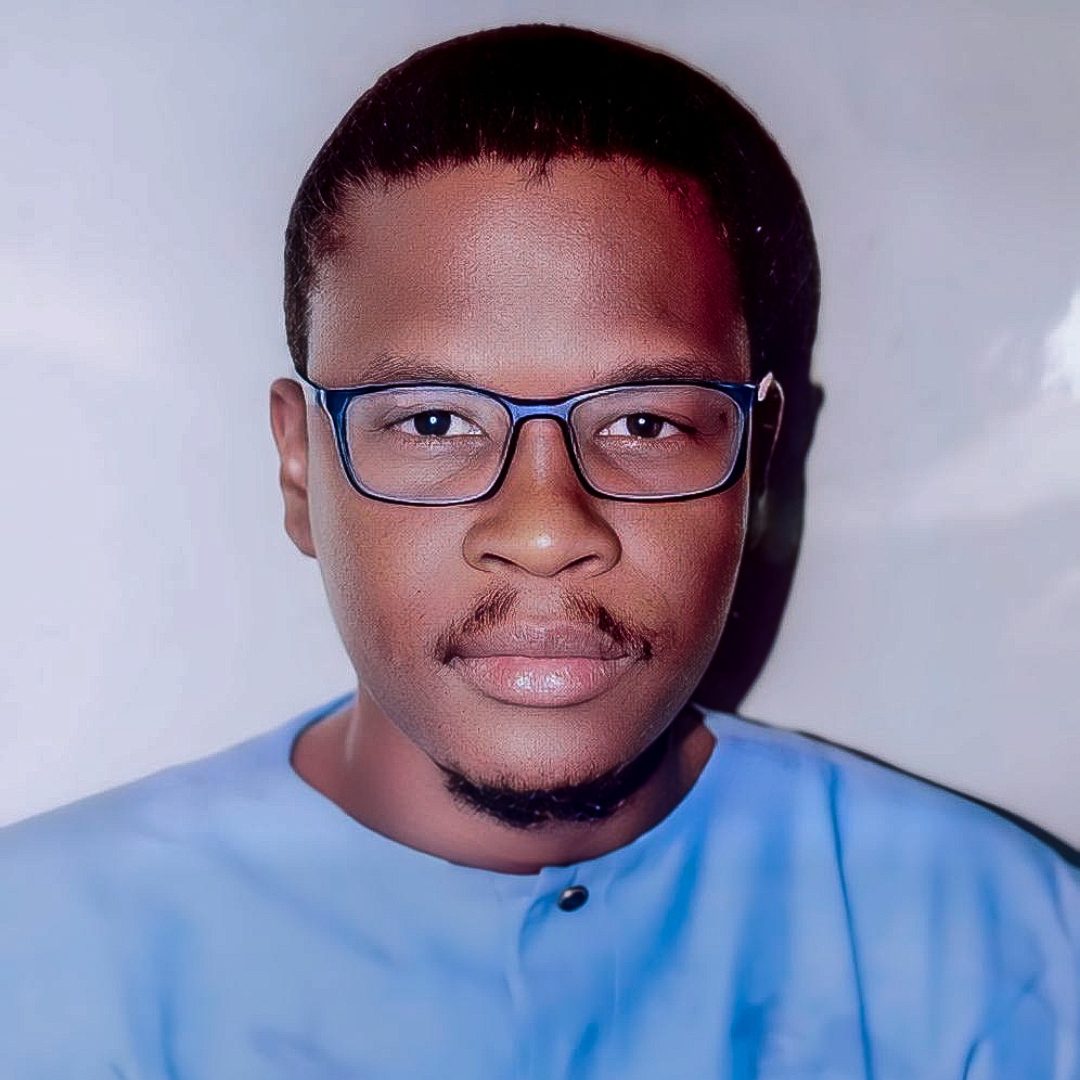
Oumar Bella Diallo, a Senegalese citizen, holds a Master 2 in teaching life and earth sciences, a Licence 3 professionnelle in education and health promotion, and a Licence 3 in biology, chemistry and geosciences. He studied science and technology, specialising in life and earth sciences, at the Faculty of Science and Technology at Cheikh Anta Diop University in Dakar. As a professional involved in health promotion, he works to improve the health of vulnerable populations and reduce social inequalities in health. For the third year running, he is keen to put his skills and experience at the service of this global workshop on community health. He was a junior researcher and member of the advisory committee for the HIRA (Héberger, Informer, Resocialiser et Autonomiser) action-research project, led by the LASPAD (Laboratoire d’Analyses des Sociétés et des Pouvoirs / Afrique Diaspora) at the Université Gaston Berger in Saint-Louis. The project explored the political and social challenges of caring for the health of adolescent victims of sexual and gender-based violence in Senegal. Oumar is also Ambassador for the Mental Health Leadership and Advocacy programme of the Africa CDC, an initiative of the African Union.
Rosalie Aduayi Diop, Director of IPDSR, holds a master’s degree in Health, Environment and Sustainable Territories (SSEnTS) from the University of Versailles Saint-Quentin-en-Yvelines (UVSQ) She is a teacher/researcher at the Institute of Population, Development and Reproductive Health at Cheikh Diop University in Dakar (IPDSR/UCAD). She has a PhD in sociology from the Université du Québec à Montréal (UQAM). Dr Diop is involved in a wide range of teaching and research activities in Senegal, focusing on issues such as changes in the family, adolescents and young people in vulnerable situations, violence and reproductive health, and maternal health. She is also an active member of the Association internationale des sociologues de langue française (AISLF); research committee No. 28 Sociologie de la Jeunesse; the International Sociological Association (ISA); and recently a committee member of the International Union for Health Promotion and Education (IUHPE).
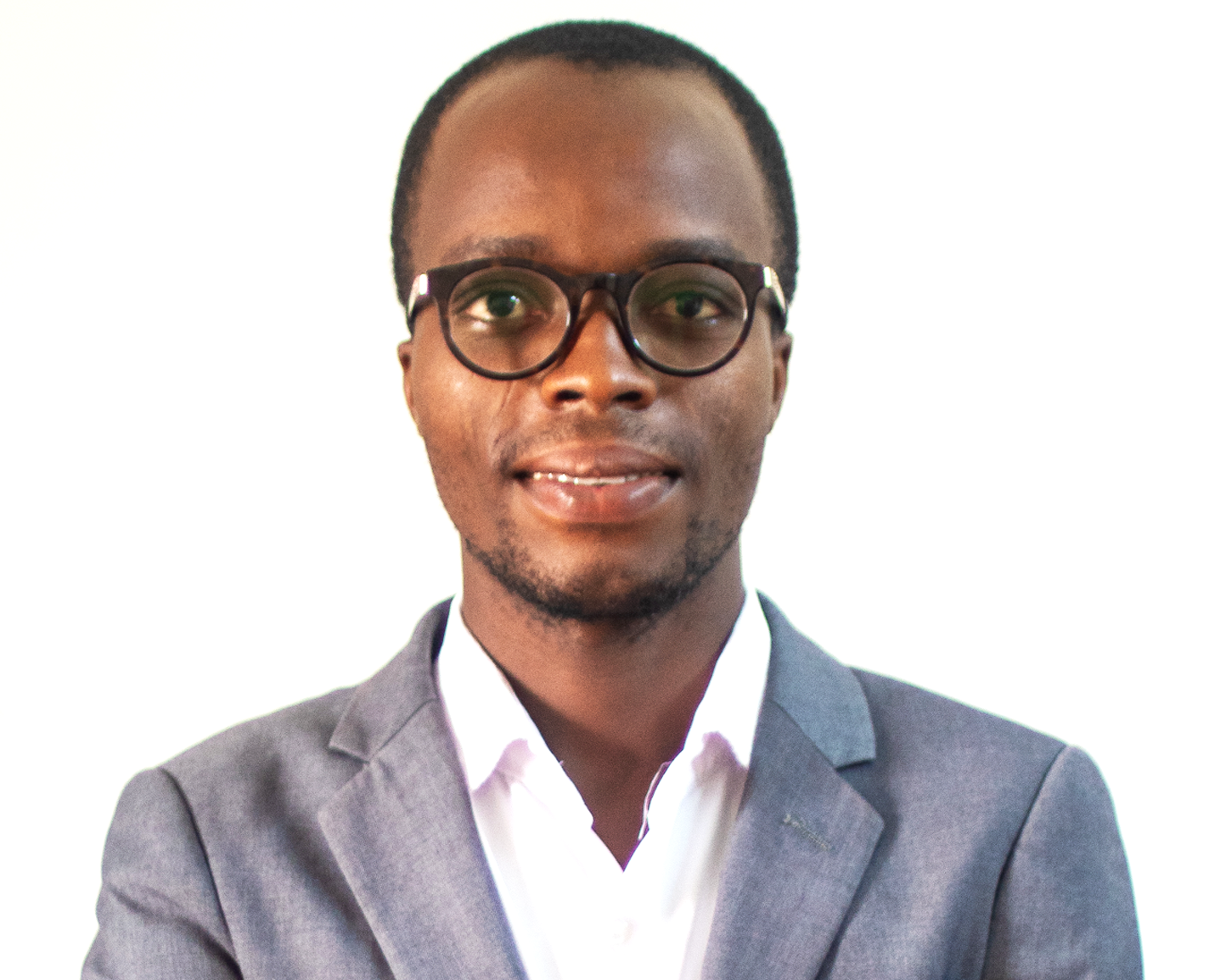
Ange-Marie Nicodème Esse, MSc. Health Promotion, is a community health advocate and National Coordinator of the Health Access Initiative (HAI) in Benin. With more than eight (08) years of professional experience, he has successfully led community initiatives aimed at strengthening the health system in Benin and improving access to health in rural and peri-urban areas. An active member of the Réseau Francophone International Pour la Promotion de la Santé (REFIPS) and Consultant-Coordinator of the Pauvreté urbaine et justice en Afrique de l’Ouest project at Justice & Empowerment Initiatives (JEI), his career path reflects his passion for improving global health policies and engaging young people in tackling global challenges. Over the past five years, he has developed expertise in participatory action research on poverty and the impact of the legal empowerment approach in sub-Saharan Africa.
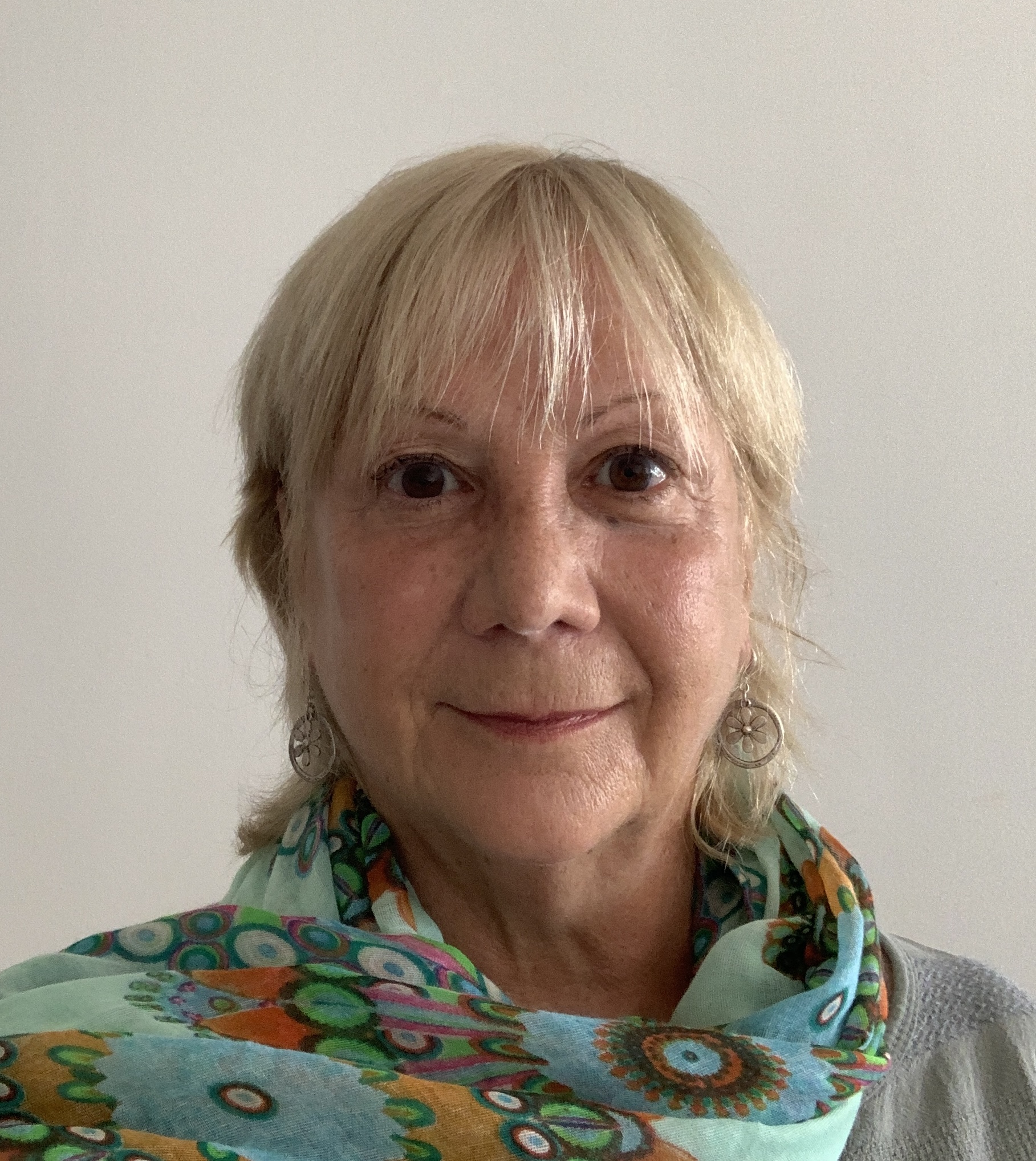
Carole Faucher is a socio-anthropologist and researcher affiliated with the University of Clermont Auvergne and the UNESCO Chair in Global Health and Education. She is a member of the coordination team for the European Educational Research Association (EERA) Network 8, ‘Research in Health Education and Wellbeing’, and the associate editor of the Emerald Publishing journal Health Education. Her research interests include health promotion and education, identity processes, student well-being in fragile settings, disaster risk reduction education, mental health promotion, and the co-production of knowledge in health promotion. Over the past 25 years, she has published extensively on these topics and taught in various regions of the world, including Europe, North Africa, West Africa, East Asia, Southeast Asia, and Central Asia.

Helena Franceschini is a Project Officer at the UNESCO Chair Global Health & Education. She holds a Master’s degree from the École Normale Supérieure (Lyon, France) in European and International Studies, with a focus on geography and social sciences. Her research background includes environmental geography and water management, with experience in the WASH (Water, Sanitation and Hygiene) framework. Helena is committed to advancing the One Health approach and promoting the active participation of young people in health initiatives. Her work centres on health promotion, healthy ageing, and health learning pathways in schools, fostering inclusive and sustainable health promotion practices.
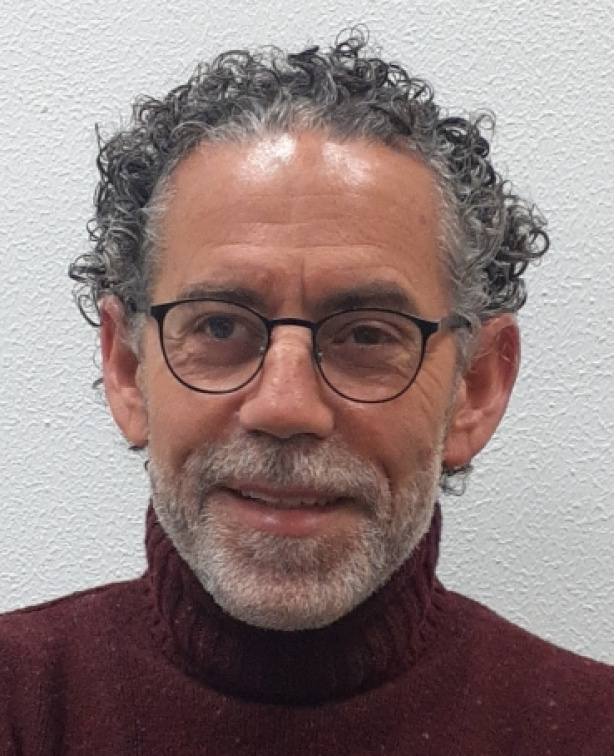
Pablo García-Cubillana de la Cruz currently works at the Andalusian Health Service and the Regional Ministry of Health and Consumers Affairs of Andalusia, Spain, as Director of the Andalusian Strategy for Healthy Living. He is a Nurse and Psychologist, with specialisation in mental health nursing, relational psychotherapy and health promotion. Much of his professional career has been developed in the field of mental health and since 2018 in the field of health promotion, encouraging new advances in the field of the promotion of healthy living, with a comprehensive and intersectoral approach, a salutogenic view and an emphasis on the social determinants of health.
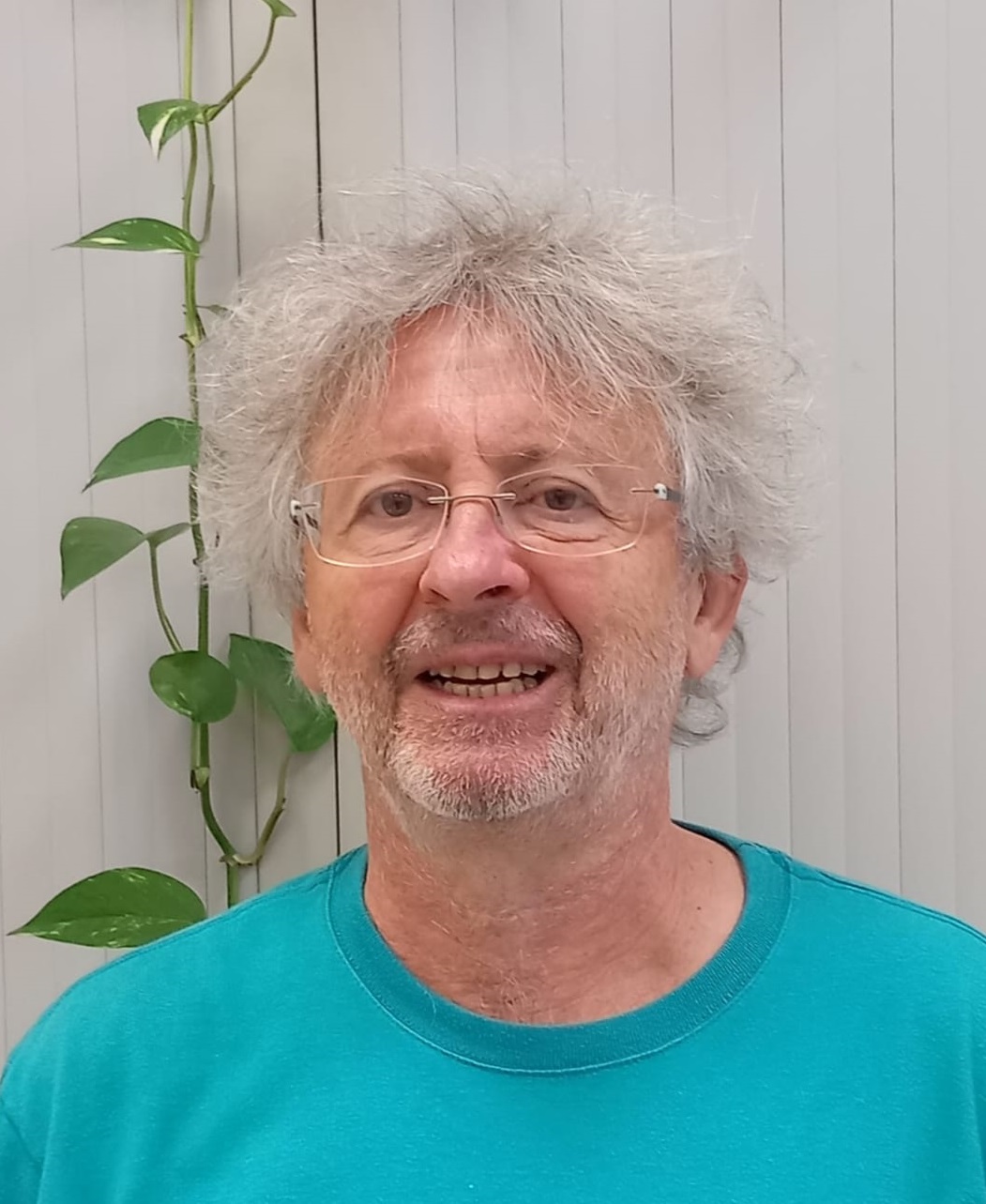
Antonio Garrido Porras is a clinical psychologist (specialized training in the PIR system). He works in the coordination of the Andalusian Strategic Health Plan for Children and Adolescents, which includes areas such as birth preparation, child and adolescent health monitoring, mental health and early care, complex chronic pediatric patients, humanization of pediatric care, development of child health information systems, protection against violence, and care for childhood obesity, among others. He has worked for 12 years in the Andalusian child protection system.
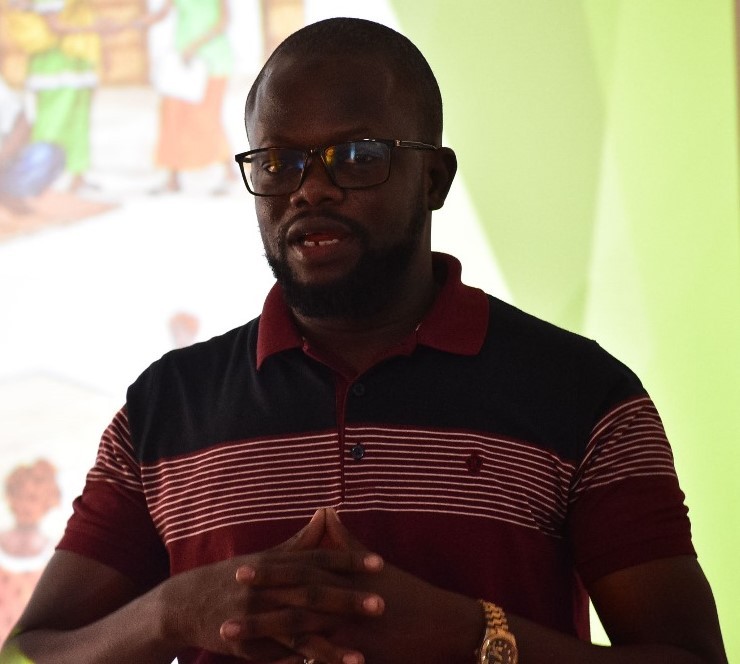
Assane Gueye is a dietician and holds a degree3 in Education and Health Promotion. With 10 years’ significant experience in implementing community projects, particularly in the fields of nutrition, food security and social and behavioural change, I have held various positions as facilitator, coach and supervisor in projects run by national and international NGOs such as Counterpart International, Helen Keller International and Caritas.
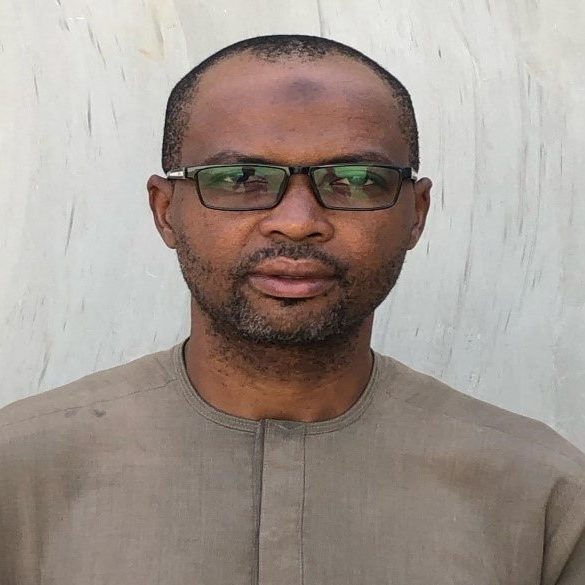
Abubakar Ibrahim Hassan, Ph.D is an expert in Community Health Education and School Health Programme. He was a former Head of Department, Human Kinetics and Health Education, and the current Dean, Faculty of Education, Bayero University, Kano-Nigeria, a Member of Senate and Research Ethics Committee on Science, Environment and Technology of the University. He also worked in Primary, Secondary and College of Education, supervised many Ph.Ds, M.Sc(Ed) and Undergraduate Students, a SAGE Reviewer and a Principal Investigator in TETFUND Institutional Based Research. Dr. Abubakar is the CEO/Founder of Community Education and Health Promotion Initiative (CEHPI), Chairperson, Kano State Chapter and National Auditor of Nigerian Association of Health Educators.

Vladimir Donan Honfo has a degree in Nutrition and Dietetics and is currently in the process of defending a Master’s degree in Public Health with a Community Health option. He has contributed to a number of major health and nutrition programmes, including PMASN, PNDPE and Zéro-Palu in several communities and NGOs in Benin. A former assistant coordinator at the Conseil d’Alimentation et de Nutrition (Food and Nutrition Council), he is continuing his quest for excellence to achieve sustainable improvements in community health through nutritional and public health interventions.

Joy Ukanne Ikegulu is a Researcher of Health Promotion and Public Health Education at the Nnamdi Azikiwe University, Awka, Nigeria.She has published and co-authored scientific papers on various topics in Health Promotion.She is an Exco of the Nigeria Association of Health Educators (Anambra State Chapter) Nigeria,and a member of Health Promotion Research Association of Nigeria.
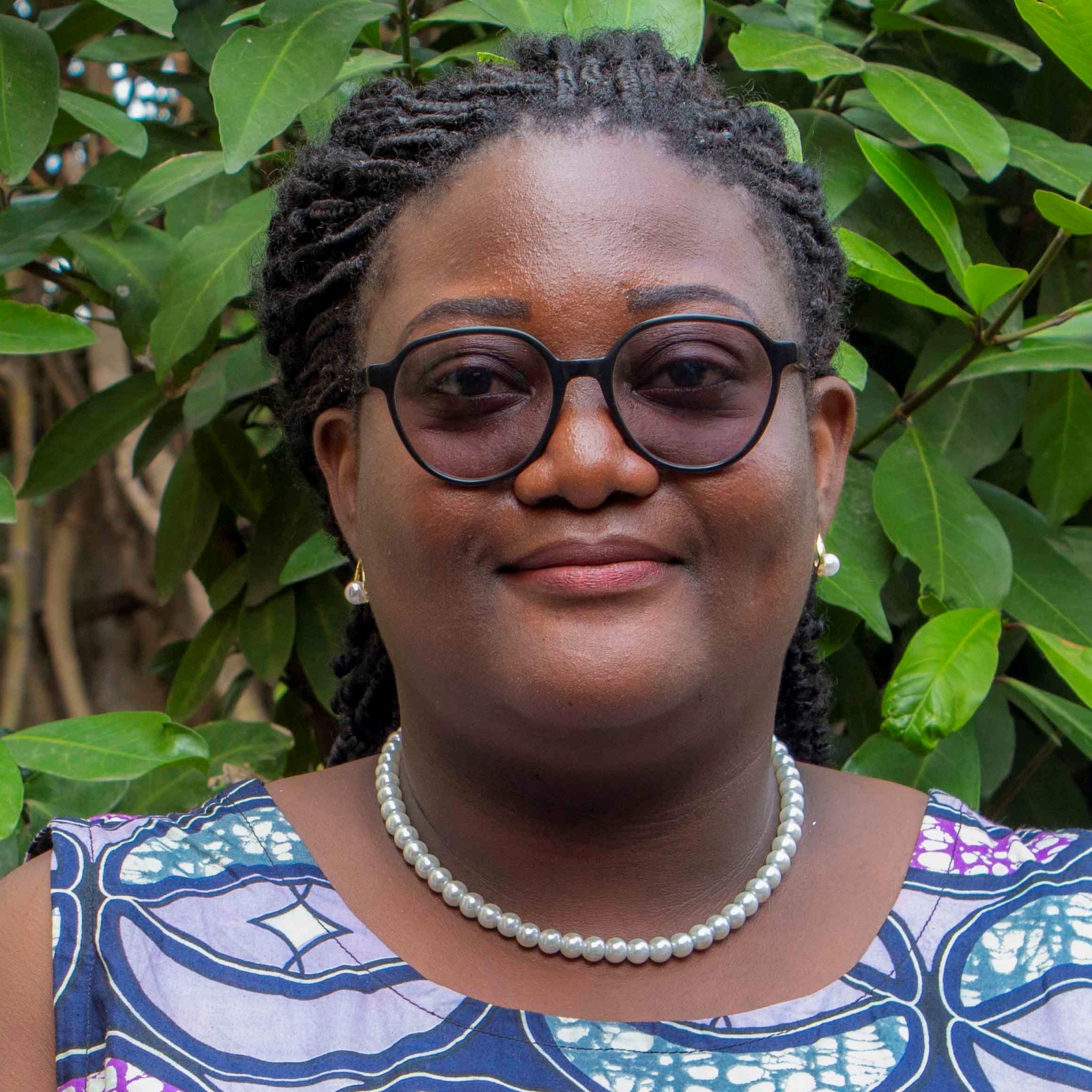
Fifamè Loristia Keynesse Kpadonou is a Beninese professional in public health, nutrition and epidemiology. She is pursuing a Master’s degree in Epidemiology at the Faculty of Health Sciences in Cotonou and has over five years’ experience in project management, clinical nutrition, communication and research. She has worked with UNICEF, IRD and the Ministry of Health. Multilingual (French, Fon, Goun, English, Mina, Adja), she is proficient in digital data collection tools. Highly committed, she is a volunteer in several NGOs and a member of the Youth Parliament for Food Security in Benin.
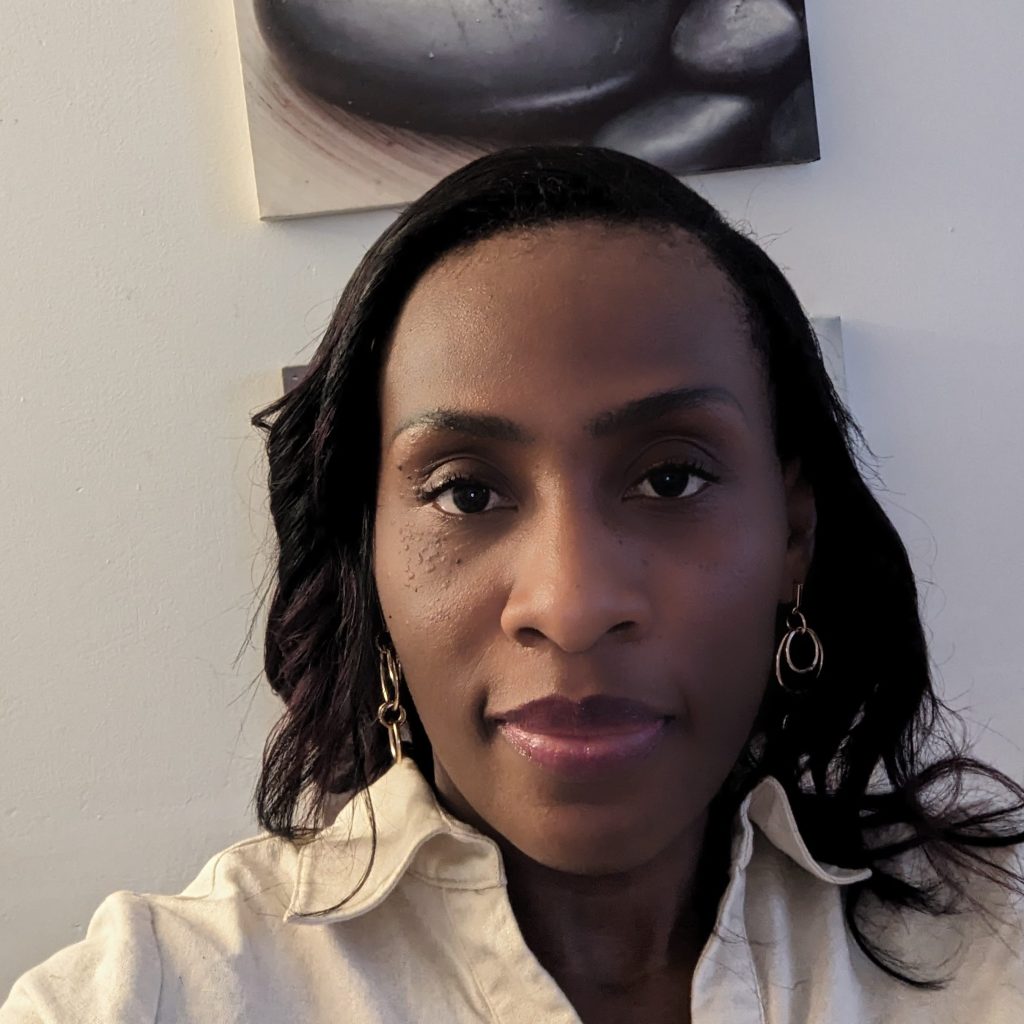
Carole Matchuindem, who is passionate about reducing human suffering, obtained a doctorate in general medicine in Cameroon. As well as providing clinical care, she has worked in NGOs to promote women’s and children’s health. In Canada, determined to act upstream on health issues, she worked as an occupational health and safety consultant before taking a Master’s degree in public health at the Université de Montréal, majoring in health promotion, after which she became a project manager at RÉFIPS. She is now pursuing a professional doctorate in public health at the School of Public Health of the Université de Montréal, while remaining an active member of RÉFIPS. Her areas of interest include reducing social inequalities in health, and promoting positive, child and women’s mental health.

Abdou Khaly Mbodj holds a master’s degree in community health from the Université Alioune Diop in Bambey, Senegal. He is general manager of the Rao Bussiness Kheweul company and coordinator of the Dekkandoo consortium as part of the implementation of the Project to Strengthen Nutrition in Saint Louis du Sénégal (PRN2S). He is also a lecturer on the professional degree course in education and health promotion at Cheikh Anta Diop University in Dakar, co-organised with the UNESCO Chair in Education and Health.
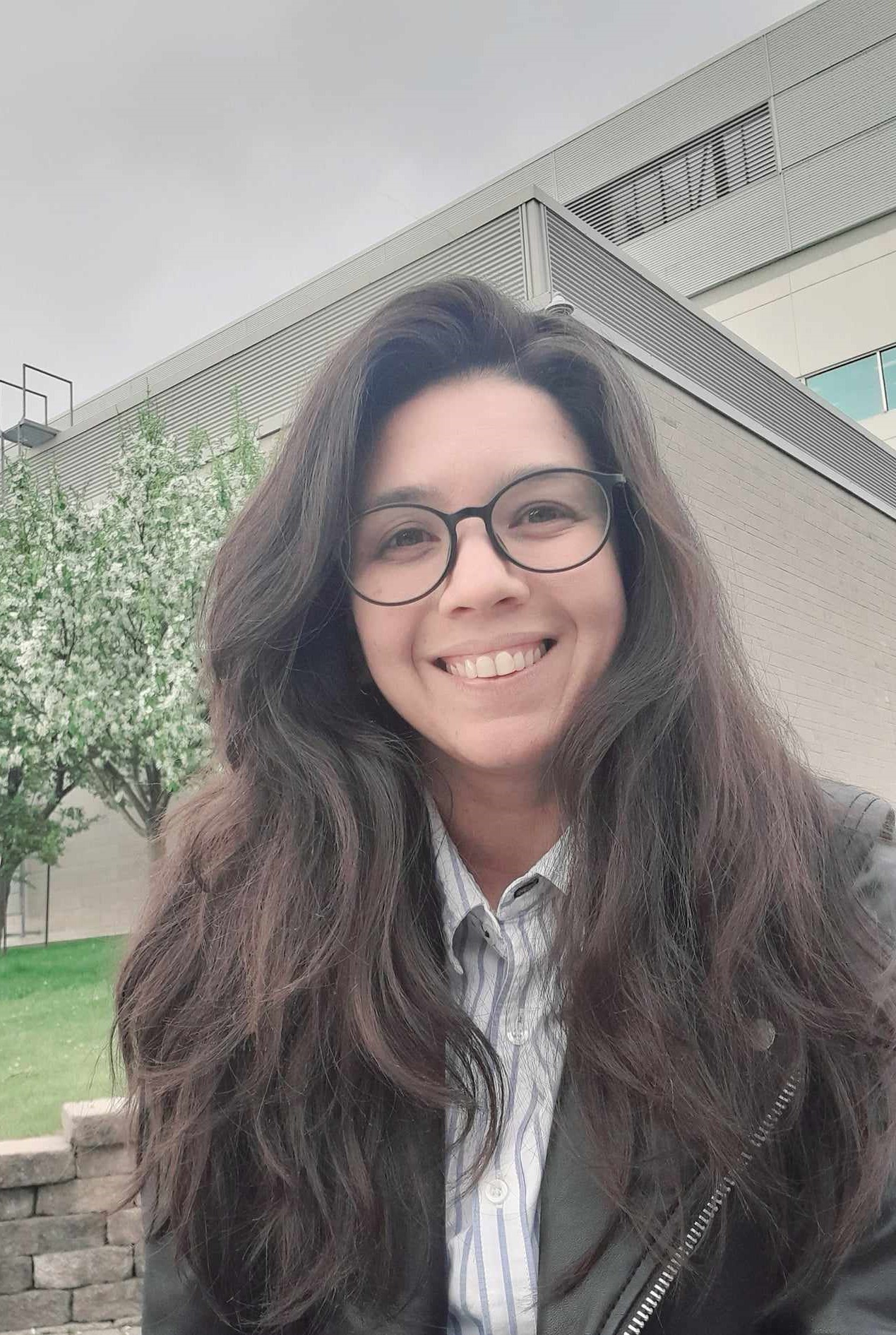
Anna Larice Meneses Galvão is a PhD candidate in Public and Community Health at Université Laval, where she researches the integration of public health and primary care. With a strong background in nursing, health systems and services management, and public health, she brings academic and practical experience to her work. She is a research assistant at Université Laval, president of the board of directors of the community organization CAI, and actively participates in the VITAM Research Center through the student committee, she coordinates career development activities and participates in community projects focused on health equity and immigrant populations.
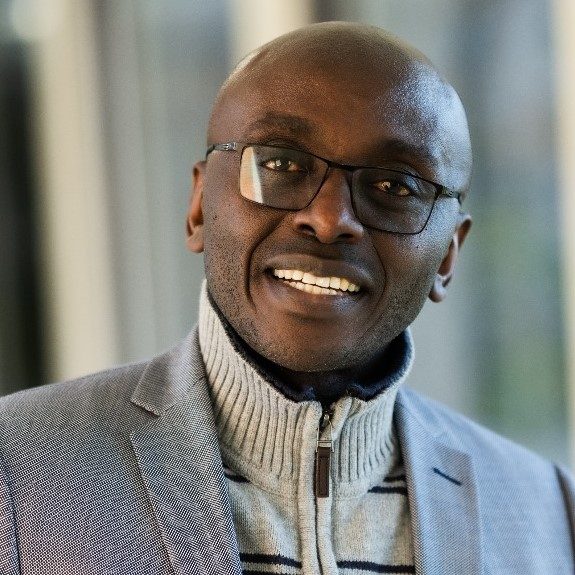
Didier Mudwahefa Anzenza .Trained as a meteorological engineer (ISTA-RD Congo), I have a master’s degree in Health, Environment and Territory (Université Paris Saclay) and a master’s degree in Geography, Planning and Governance in Southern Countries (Université de Franche-Comté). I’m currently doing an interdisciplinary PhD in health and society (Université du Québec à Montréal) and am a member of the student committee of the Communautés Rurale et éloignés en Santé (CARES) network and the Observatoire sur la santé mentale étudiante en enseignement (OSMÉES). I am very interested in studying the social and environmental determinants of vector-borne diseases. Alongside my studies, I co-founded THEn-So, a Congolese environmental and social assessment company, in 2016. I am also a member of the Association Québécoise pour l’Hygiène, la Santé et la Sécurité au Travail (AQHSST) and the Association québécoise de la vérification environnementale (AQVE). I enjoy teaching maths to young people using a playful/situational approach, contemplating nature, listening to music and dancing. As I’m passionate about educating young people, I’m also Co-ordinator of the Canadian mentoring programme at the Academy of Science and Technology (Ascitech).
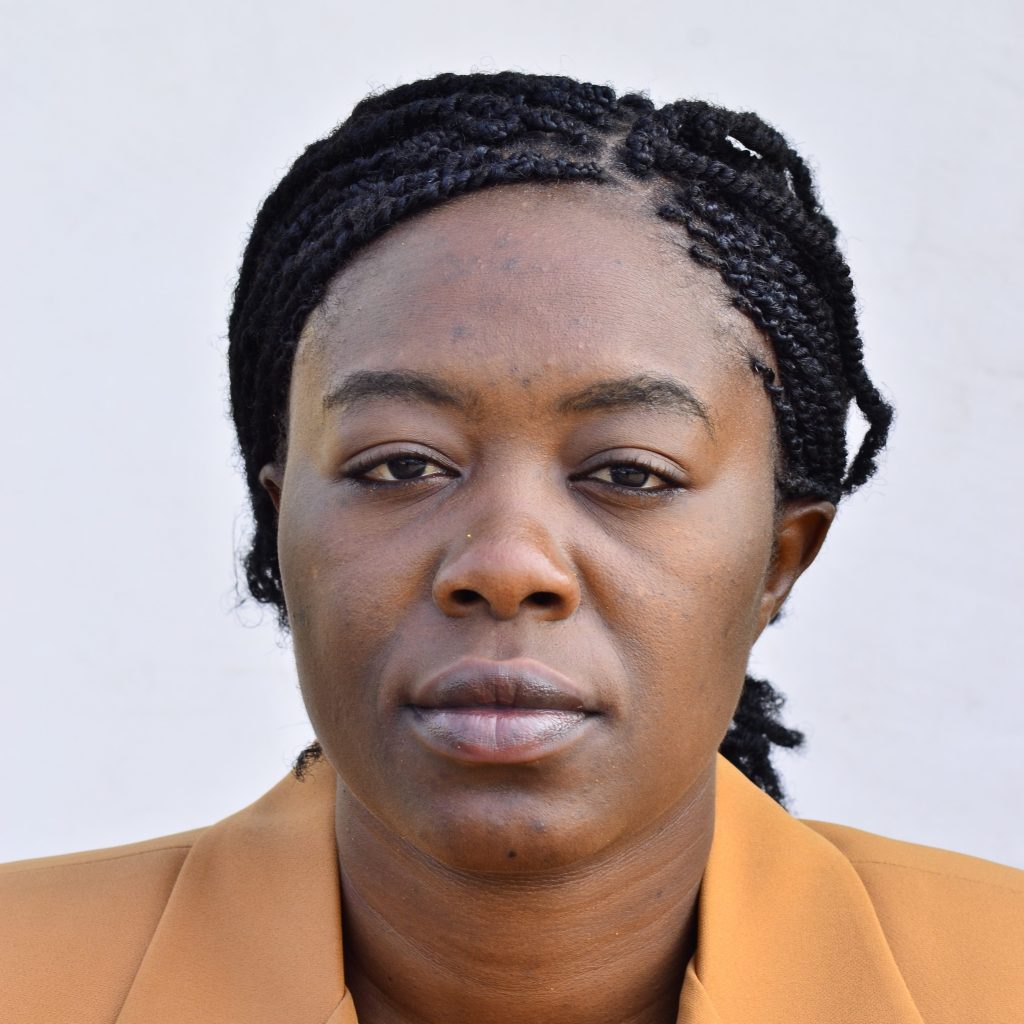
Asyncrite Ntoto is a general practitioner, entrepreneur, and coach in sexual and reproductive health. She plays a pivotal role in designing and updating the national family life education program in partnership with the Ministry of Education (MINESPT). She has also actively contributed to integrating sexual and reproductive health concepts into nine vocational training curricula, in collaboration with partners such as UNESCO, UNFPA, NGOs, and educational institutions. With over eight years of experience in community project management in the Democratic Republic of Congo, she has led several impactful initiatives in health and education across regions including Matadi, Mbanza-Ngungu, Kisantu, and Kinshasa. Deeply committed to social change, she focuses her energy on high-impact projects that serve youth and vulnerable communities.

Yetunde Adenike Oguntokun, the Principal Partner at Behaviour Modification Media, has a Master’s degree in Psychology (Clinical) and has attended courses and workshops on health promotion. A vibrant creative, she fuses her passion for health promotion and background in behavioural health with her gift for story telling to communicate health messages in everyday language. She has initiated several community health education projects including ‘The Mindset’ seminar series on mental health; ’My Life, My Choice’ interactive adolescents substance abuse prevention sessions; ’In Transit’ road safety radio drama series; ’Kajay Street’ multi-platform health edutainment drama series; and ‘@onthemindset’, a health promotion tele-magazine series on YouTube.
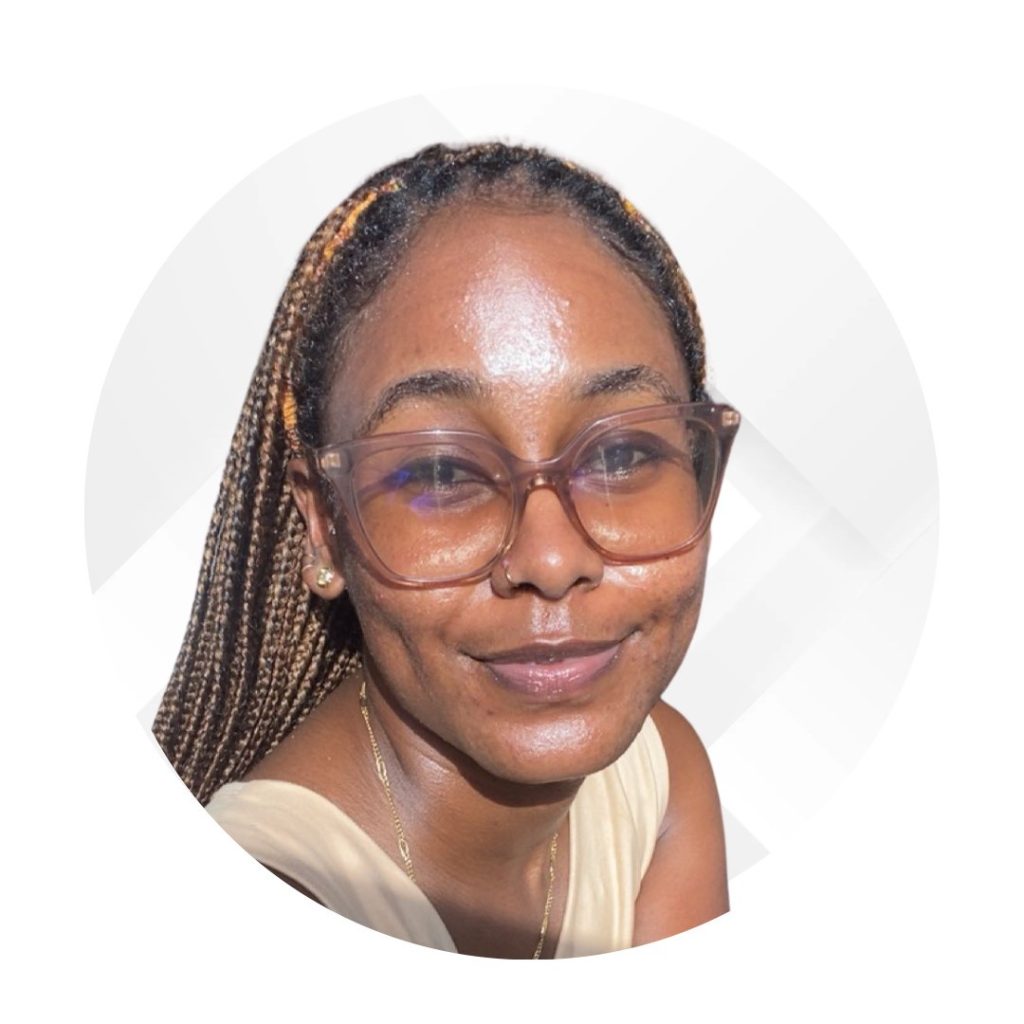
Temi Olagunju is a global health advocate and trained physiotherapist with a Master’s in Public Health from Glasgow Caledonian University, London. She is currently transitioning into the public health field and brings a unique blend of clinical experience, systems thinking, and high-quality, methodologically robust research to equity-driven programs focused on adolescents and marginalised youth. Temi has conducted research on COVID-19 and is especially interested in opportunities that advance infectious disease prevention, health equity, and inclusive systems for young people. She serves as Deputy Network Coordinator for HAPPIA and is a member of UN Women UK, contributing to CSW events promoting gender justice. She is committed to advancing youth health equity through inclusive design and cross-collaboration.
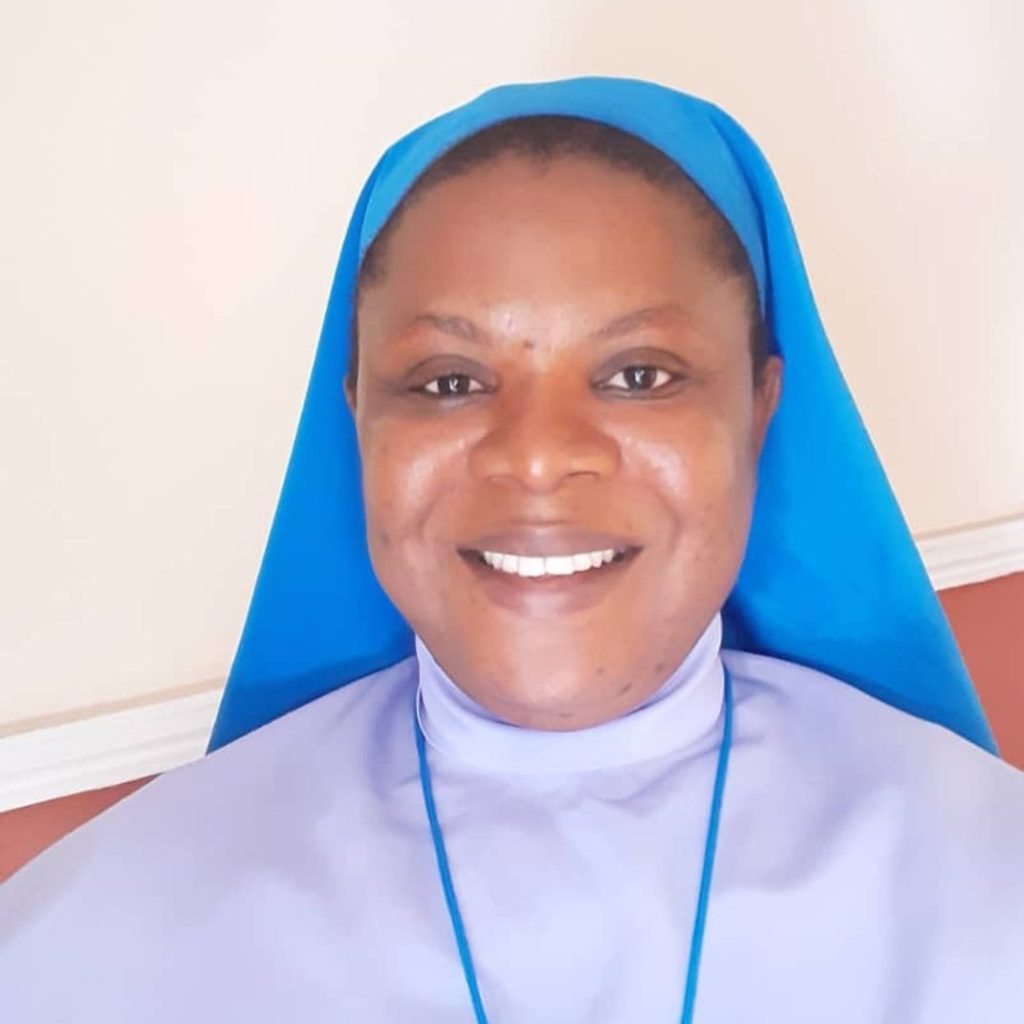
Dr. Chrysantus Onwurah, is a lecturer and researcher at Nnamdi Azikiwe University, Awka, Anambra State, Nigeria. She has PhD in Public Health Education. Her expertise lies in health promotion, public health education, and mental health. She is passionate about empowering individuals and communities to make informed health decisions. Her research focuses on sexual risk behaviors, health promotion strategies, public health policy and mental health interventions. I am excited to share my knowledge and collaborate with like-minded professionals to drive positive change. Thank you
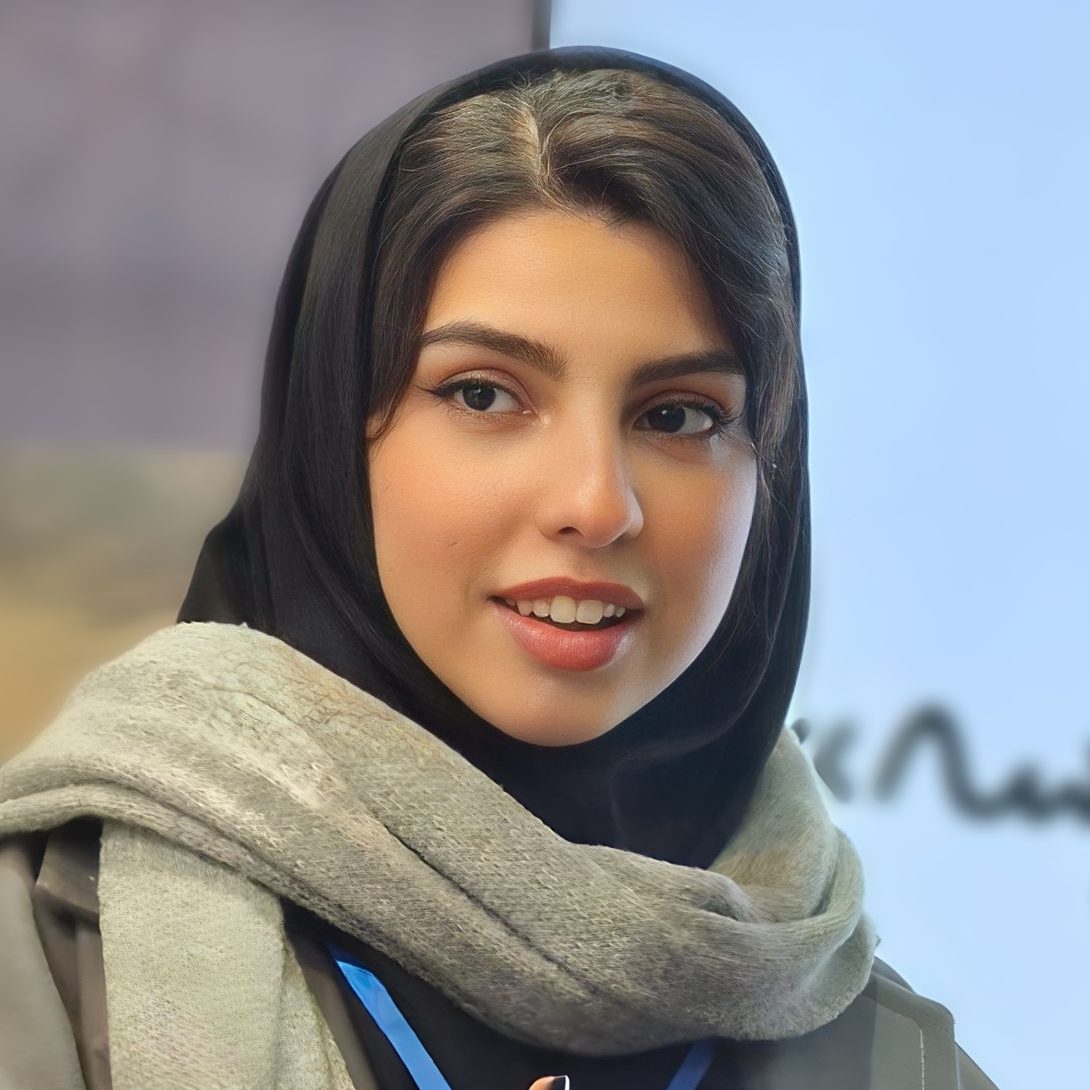
Negin Rasoulzad is a Master’s student in Health Education and Health Promotion at Shahid Beheshti University of Medical Sciences, Iran. She is the project manager of “Az Madreseh”, an educational technology startup focused on school health. She also works as a project assistant at the Health Promotion Settings Innovation Center of SBMU. She is also a member of the Young Professionals Editorial Group at the UNESCO Chair Global Health and Education. She has been actively engaged in youth-centered health promotion initiatives including collaborations with Tehran Municipality. Her work blends innovation, design, and public health to support healthier educational environments.
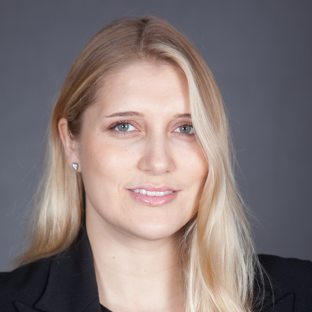
Sophie Remoue Gonzales MD, Msc,FAA,DABOM is a French-Peruvian pediatrician and Youth Engagement Director for the International Association for Adolescent Health (IAAH). She is triple board-certified in pediatrics, adolescent medicine, and obesity medicine, with more than ten years of experience in adolescent and global health. Based in Houston, she provides care to immigrant and refugee youth at the largest community health center in the southern United States and serves as a volunteer Assistant Professor at the University of Houston College of Medicine. She holds a Master’s in Global Health Policy from LSHTM, serves as an expert advisor for Stanford’s Adolescent Health and Wellbeing Project, and has contributed to WHO’s Global Accelerated Action for the Health of Adolescents (Global AA-HA!) framework, promoting equity and youth-focused health policies.

Lola Rodríguez Ruz is the regional coordinator of the Andalusian Local Health Action Network (RELAS), a program that advises and supports municipalities in addressing public health in their local areas. She is part of the group that develops the Andalusian Community Health Strategy and has been working in public health for 15 years, developing and collaborating on various health promotion programs. She is a social worker and holds a degree in health and gender from the Andalusian School of Public Health and the University of Granada, with extensive training in public health.
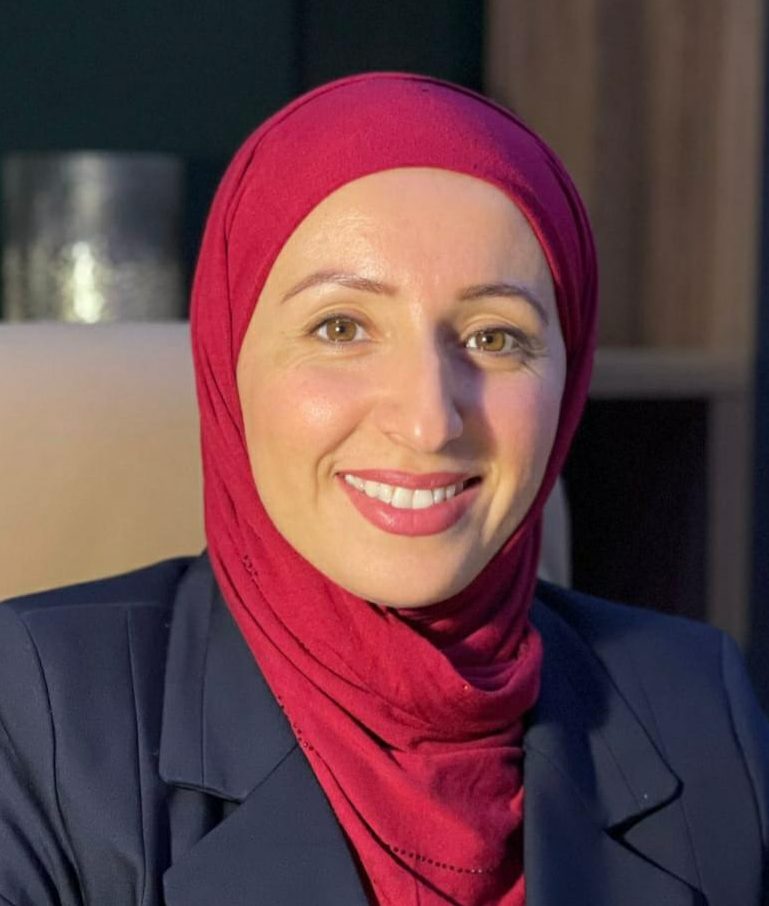
Prof. Majda Sebbani (MD, MPh, PhD) is a medical teacher and researcher specialising in public health (community medicine, preventive medicine, epidemiology and hygiene). Head of the public health department at the Faculty of Medicine and Pharmacy in Marrakech, Morocco (FMPM-UCA). She holds an MPh in Intervention and Health Promotion from Nancy (France), as well as a PhD in Health Promotion and a DU in University Pedagogy (UCA). She is currently studying for a PhD in Medical Education at the UDREM at the University of Geneva (Switzerland). Majda works in the clinical research department at CHU Mohammed VI. She is also a professional coach (LCP-accredited by ICF).
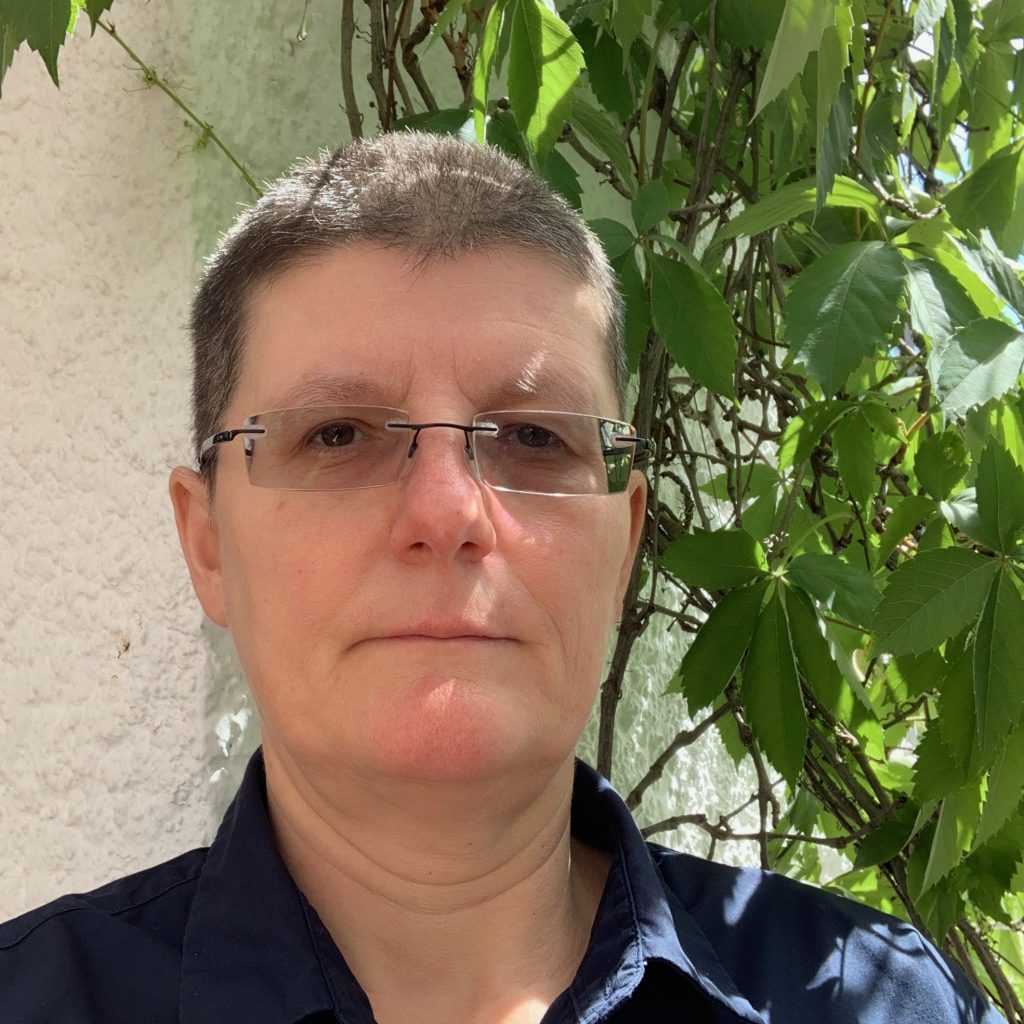
Amets Suess Schwend, PhD in Social Anthropology, MA Arts Therapies and BA/MA Sociology. They work in research, teaching and consultancy at the Andalusian School of Public Health, Area of International Health, Granada, Spain, and collaborate as PhD supervisor at the University of Granada. Their recent publications focus on intersex and trans studies, human rights, depathologization and research epistemologies, methodologies and ethics.

Gildas Vieira, who has a doctorate in public health, is Managing Director of FRAPS-Fédération des Acteurs en Promotion de la Santé. Chairman of the Think Tank Kama Afrique Vision and a municipal and community councillor for 11 years, he was deputy mayor for community life and participatory democracy. A teacher and trainer, his research focuses on interculturality and community health, hence his forthcoming 8th book, entitled ‘Santé communautaire et interculturalité’ (Community health and interculturality). He believes that health promotion is an important factor in reducing social inequalities in health, which is why, through his political and professional advocacy work, he plays a key role in developing the power to act in the field of health.
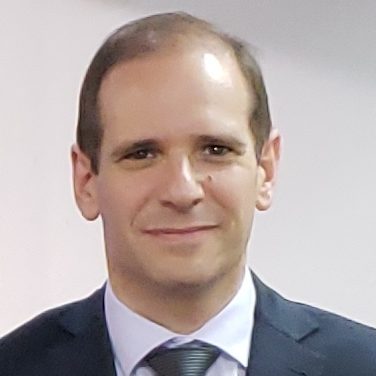
Martín Zemel is the Regional VP for Latin America of IUHPE. He has a PhD in Dentistry, Master of Dental Education and completed the Master of Public Health at UNLP. His experience has been focused on Health Promotion and Equity in Health from an intercultural and intersectoral perspective grounded in Human Rights. He is Professor of Bioethics at the National University of La Plata and Community Health at FASTA University. Annually he is invited to teach undergraduate and graduate courses in Bioethics and Public Health, in different faculties in Argentina and in other countries. He is also the Dean of the School of Dentistry of FASTA University. He began in research through the Postgraduate Scholarship Program of the National University of La Plata and later in the National Council for Scientific and Technical Research (CONICET), doing a postdoctoral stay at the University of Murcia, Spain. He has been in charge of various local, national and international Committees, and actually he is member of the National Honorary Council on Oral Health of Argentina. In addition, he is an Academic of the National Academy of Dentistry of Argentina.
Additionally, for over 20 years, he has coordinated a network of health promotion consisting of 35 Public Health Centers and 50 educational institutions. Among the areas of work are the Social Determinants of Health, health literacy and the Health Promoting Schools. He has contributed by advising legislative processes that resulted in local and regional regulations related to the prevention of risk factors for NCDs. Furthermore, in recent years, he has promoted the creation and development of a regional oral cancer prevention program through a multisectoral effort that has enabled low-income sectors to access free diagnosis and treatment. He also represents the IUHPE in the WHO Civil Society Commission, and is a member of the WHO Working Group of Civil Society on Non-communicable Diseases.