

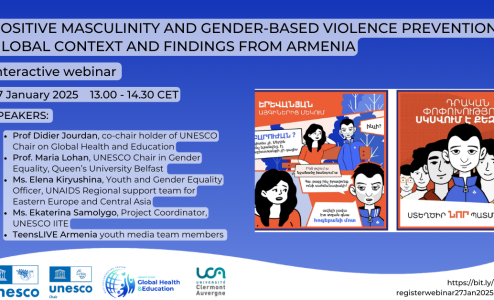
UNESCO IITE and UNESCO Chair Global Health & Education webinar series
Speakers
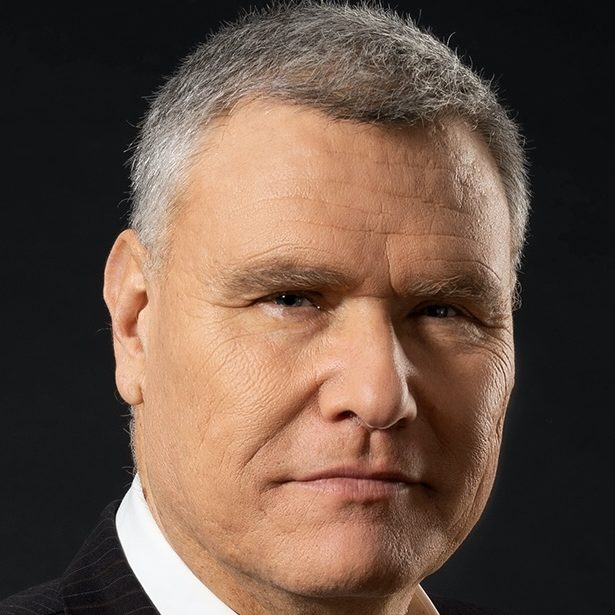
Didier Jourdan, is full Professor at the Univerity of Clermont Auvergne and the Co-Chair Holder of the UNESCO Chair “Global Health and Education” and Head of the WHO Collaborating Centre for “Research in Education and Health” which are focused on knowledge production and sharing from an intersectoral perspective. He is also a Governing Board member of UNESCO IITE. He is the former Director of the Prevention and Health Promotion Division of the French National Public Health Agency. He has formally held positions as Director of the Graduate School of Teaching and Education (ESPE), Head of the Centre for lifelong learning and Vice-President of Blaise Pascal University. In addition, he held the position as President of the “Prevention, Education and Health Promotion” Commission of the French High Council for Public Health and President of the Network “Universities for training in health education”.

Professor Maria Lohan is Chair in Social Sciences and Health at Queen’s University Belfast and holds the first UNESCO Chair on Masculinities and Gender Equality (UNESCO Chair on Gender Equality). Professor Lohan’s research focuses on sexual and reproductive health and rights (SRHR) and gender equality. She leads research on evidence-based interventions, including comprehensive sexuality education, to support these goals.
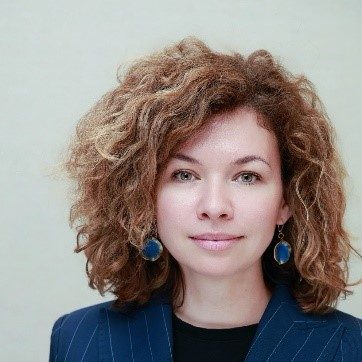
Elena Kiryushina is the Youth and Gender Equality Officer at the UNAIDS Regional Office for Eastern Europe and Central Asia. She focuses on addressing gender inequalities, supporting youth- and women-led responses, and sharing knowledge on youth, gender, and HIV. Elena also leads the regional team’s learning journey on gender, race, and equality and serves as a Change Agent for Culture Transformation within UNAIDS. With over 14 years of experience at UNAIDS, she has worked on youth, gender, human rights, communication, and various programmatic activities since joining the organization in 2008.
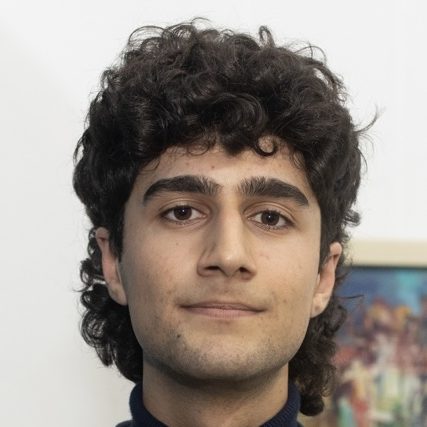
Armi Mkrtchyan is a Project Coordinator and Gender Officer at UNESCO IITE’s TeensLIVE Armenia. They bring over three years of experience in project management and two years in communications at feminist organizations. Their expertise encompasses coordinating youth-led initiatives and delivering training on critical topics such as gender equality, human rights, and sexuality education. Armi’s work extends to managing social media platforms, engaging volunteers, and advancing social justice discourse through educational projects and community outreach.

Ekaterina Samolygo, is Project Coordinator at UNESCO Institute for Information Technologies in Education (IITE). She brings over 4 years of experience in international development and humanitarian aid. Her expertise encompasses overseeing diverse projects focusing on comprehensive health and education initiatives, including youth-led programs addressing critical issues such as bullying, media literacy, human rights, and sexuality education. Ekaterina’s work extends to managing social media initiatives for parents and overseeing AI-based chatbots that contribute to the delivery of health and well-being education.
Host
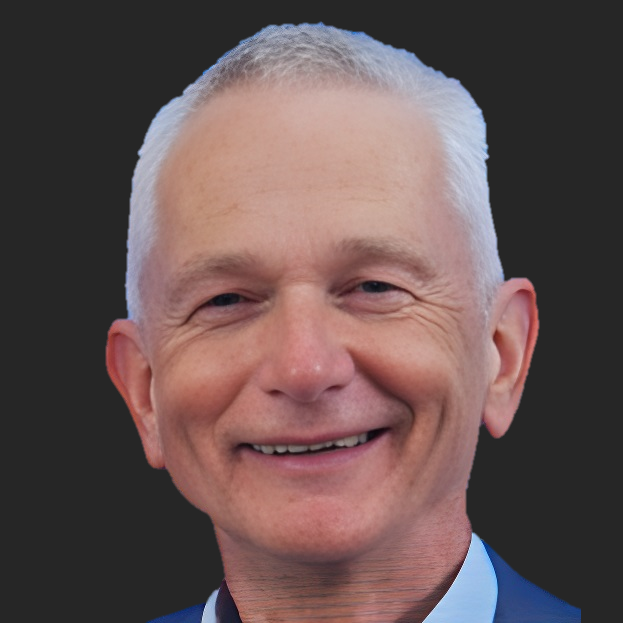
Goof Buijs, is the manager of UNESCO Chair / WHO Collaborating Centre Global Health & Education. From 2019 he is director of Global Health & Education Consultancy. His field of expertise is bringing health and education together. He is an experienced networker, expert in creating and leading international projects focused on prevention and youth, innovator, trainer and facilitator of events and conferences. He supports cooperation among people, focusing on everyone’s talents and uniqueness.
Summary
The persistence of harmful gender stereotypes and toxic masculinity is a significant global concern, contributing to various forms of gender-based violence and reinforcing unequal gender dynamics. The United Nations, UNESCO and UNAIDS have long recognized the importance of engaging men and boys in promoting gender equality. Through initiatives like the Joint Positive Masculinity Project, recently implemented in Armenia, these organizations aim to foster positive gender roles, encourage non-violent behavior, and reduce harmful stereotypes worldwide. To effectively address these challenges, engaging young men and boys in reshaping societal norms is essential.
Under the UNESCO and UNAIDS Joint Positive Masculinity Project, a comprehensive social media campaign was launched in Armenia to engage young men aged 16-25 in a critical dialogue around masculinity, gender equality, and non-violence. This campaign was informed by a study of young men’s understanding of masculinity and aimed to challenge harmful masculinity stereotypes and promote positive behaviors by offering culturally relevant, interactive digital resources.
Our speakers’ contributions
In this webinar the following questions were addressed:
- What are the UNESCO Chair’s objectives and its role in advancing knowledge on gender equality?
- Why it is important to challenge toxic ideas about masculinity that lead to violence and discrimination, and why do we need to engage men and boys in efforts to promote gender equality?
Download the presentation from Maria Lohan
How can education help promoting gender equality and combating gender-based violence?
Download the presentation from Didier Jourdan
Can you introduce the Positive Masculinity Project and the results you have achieved?
Download the presentation from Armi Mkrtchyan
- Why did UNAIDS and UNESCO support this project?
- What is UNAIDS and UNESCO’s stand on gender equality and prevention of gender-based violence?
What are examples of other projects and studies that aim at and/or support promotion of gender equality by addressing harmful social norms and behavioural patterns?
Download the presentation from Maria Lohan
Resources
- UNESCO, Women in Africa. (2022). Positively, men: engaged for positive masculinities and gender equality (GEN/2022/PM/1). UNESCO. https://unesdoc.unesco.org/ark:/48223/pf0000380928
- Squicciarini, M., Sarlat, G., & Manca, A. R. (2023). Empowering women for the good of society: gender-based resilience. UNESCO. https://doi.org/10.54678/HPDK3314
- Morrell, R. G. (2024). Engaging men for gender equality in the Global South: perspectives from the UNESCO Maputo Dialogue. UNESCO. https://doi.org/10.54678/CYLV8721
- Gender equality and education. UNESCO. https://www.unesco.org/en/gender-equality/education?hub=343
- What you need to know about how UNESCO advances education and gender equality. UNESCO. https://www.unesco.org/en/gender-equality/education/need-know
- Lohan, M. 2022 Engaging boys and addressing masculinities in comprehensive sex education reaps benefits for both adolescent boys and girls: Results from the Jack Trial < SRHM >
- Webpage about WHO’ ‘s activities on Strengthening health sector response to violence against women

